Kirjailija
Leo N Tolstoy
Kirjat ja teokset yhdessä paikassa: 9 kirjaa, julkaisuja vuosilta 2002-2010, suosituimpien joukossa The Death of Ivan Ilych. Vertaile teosten hintoja ja tarkista saatavuus suomalaisista kirjakaupoista.
Mukana myös kirjoitusasut: Leo N. Tolstoy
9 kirjaa
Kirjojen julkaisuhaarukka 2002-2010.
The Man Who Was Dead, The Cause of it All, and The Light That Shines in the Darkness are the three plays left by Tolstoy for publication after his death. The Light That Shines in the Darkness -- the last of Tolstoy's plays, was left unfinished. In Russia it is prohibited on account of its allusions to the refusal of military service. Yet it is in some ways the most interesting of Tolstoy's posthumous works. It is obviously not strictly autobiographical, for Tolstoy was not assassinated as the hero of the piece is, nor was his daughter engaged to be married to a young prince who refused military service. But like some of his other writings, the play is semi-autobiographical. In it, not only has Tolstoy utilised personal experiences, but more than that, he answers the question so often asked: Why, holding his views, did he not free himself from property before he grew old?
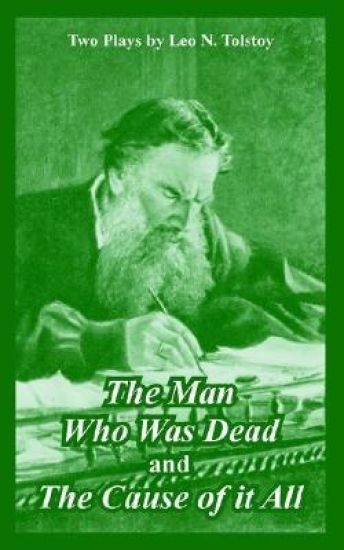
The Man Who Was Dead and The Cause of it All (Two Plays)
Leo N Tolstoy
University Press of the Pacific
2004
pokkari
Of the three plays left by Tolstoy for publication after his death, one is a short two-act Temperance play called in English The Cause of it All (the Russian title is a colloquialism difficult to render, but "From it all evil flows" is as near as one can get to it). It does not claim to be a piece of much importance, but if ever it is staged, it should act easily and well. Another of these posthumous plays is The Man Who Was Dead (The Live Corpse), a powerful piece, in which Tolstoy introduces one of those gipsy choirs which had such an influence on him (and still more on his brother Sergius) when he was a young man of twenty to twenty-three, before he went to the Caucasus and entered the army. The last of Tolstoy's plays, The Light That Shines in Darkness, was left unfinished.