Kirjojen hintavertailu. Mukana 12 152 606 kirjaa ja 12 kauppaa.

Kirjailija

Lesa Melnyczuk

Kirjat ja teokset yhdessä paikassa: 11 kirjaa, julkaisuja vuosilta 2024-2026, suosituimpien joukossa Where is Robbie?: That Grumpy Bumpy Rooster (Part 2). Vertaile teosten hintoja ja tarkista saatavuus suomalaisista kirjakaupoista.

11 kirjaa

Kirjojen julkaisuhaarukka 2024-2026.

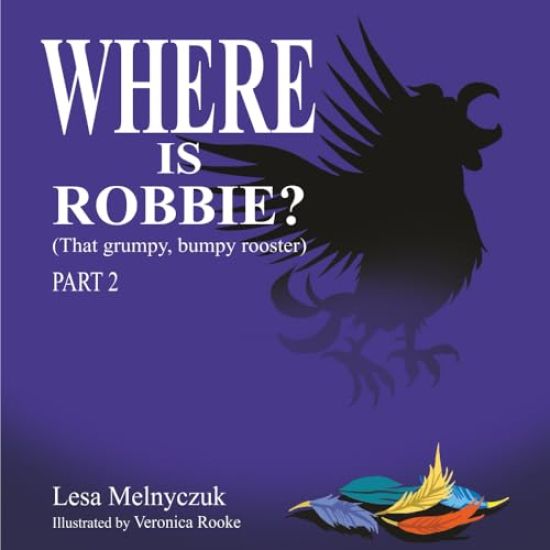
Where is Robbie?: That Grumpy Bumpy Rooster (Part 2)

Where is Robbie?: That Grumpy Bumpy Rooster (Part 2)

Lesa Melnyczuk

Lesa Melnyczuk Publisher
2026
nidottu
Where is Robbie? (That grumpy, bumpy rooster) Part 2 Robbie rooster was taken away because he was a bully... a BIG, BAD bully He needed to change. A story about this rooster's journey from being bad to learning to be better. Will Robbie's past behaviour be forgotten by those he mistreated? One day he might be forgiven. It would just take time, hard work and trust.
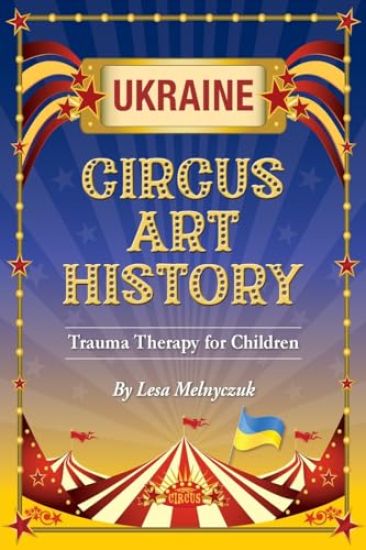
Circus Art History

Circus Art History

Lesa Melnyczuk

Lesa Melnyczuk Publisher
2025
pokkari
Lesa writes about topics that are based upon Ukrainian heritage, history or Ukrainian themes as in her children's books. She writes to introduce people to her heritage and beautiful country, Ukraine. Lesa's children's stories are thematic and based upon 2 Ukrainian Babas (grandmothers) and 5 chickens. Each story covers a family story of interest and value to a child's growth and social thinking. The newest children's books cover bullying and come as a pair. The bullying story Pt 1, and the follow-on story Pt 2, offers children some opportunities to discuss bullying and how to seek help as a child. Lesa's books have been award winners in both the fiction and non fiction fields of writing. She was born in Western Australia to post WWII migrant refugees from Ukraine. She writes in the hope that people will see the love of family, country and heritage that binds Ukrainian people and not just the wars that Ukraine has faced including the recurrent destruction by Russia. Special thanks go to Mrs Maria Hosja for her caring editing of my special book honouring Ukrainian Circus Arts and how important it has become in supporting children experiencing trauma resulting from the Russian invasion.
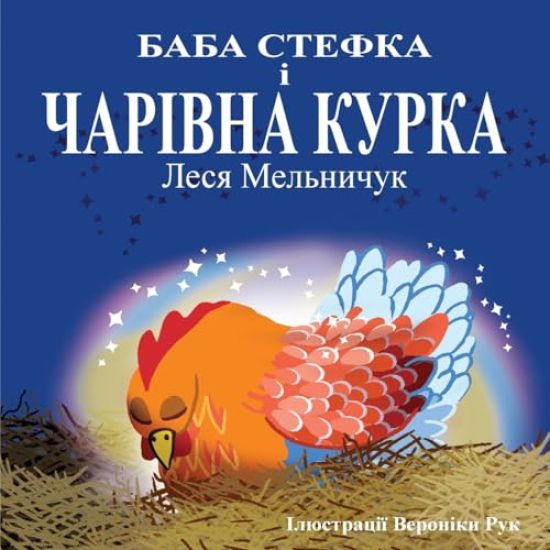
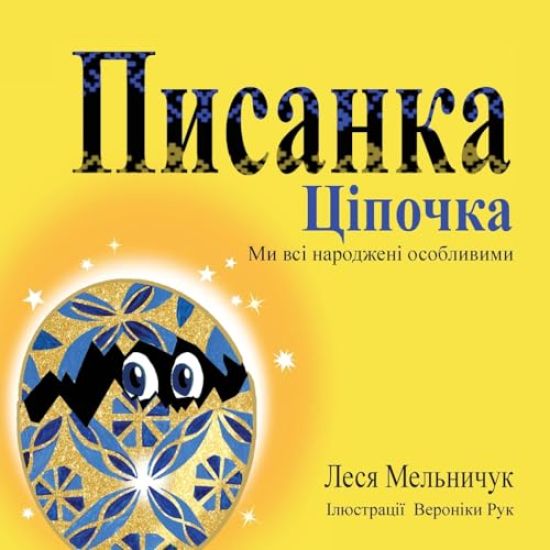
The Pysanka Chicken (Ukrainian Edition)

The Pysanka Chicken (Ukrainian Edition)

Lesa Melnyczuk

Lesa Melnyczuk Publisher
2024
pokkari
The Pysanka Chicken: We Are All Born Different (UKRAINIAN EDITION)We are all born different, but sometimes you cannot see the difference.A Ukrainian tale by Lesa Melnyczuk about a small chicks' unusual start to life.Dedicated to all the children with rare conditions and rare diseasesFOREWORDProfessor Steve Wilton AO Director of the Perron Institute.Foundation Chair of Molecular Therapy at Murdoch University.Director of Murdoch University's Centre for Molecular Medicine and Innovative Therapeutics.It seemed strange being asked to endorse this insightful children's book about being different, family relationships and rare diseases. Many think I am different, I don't have children and I was blessed to be raised in a loving and supportive family. More importantly, as a medical researcher I have spent more than 30 years working on rare diseases, so it does make sense. The Pysanka Chicken is a beautifully illustrated story explaining to children why people are different, why some children need more help than others and the importance of a caring family.Explaining why we are all different and the concept of rare diseases to children (and many others) is very challenging. And necessary when an estimated 1 in 10 people live with one or more of the 7,000 rare diseases described to date. These are important discussions to have. The earlier the better. To start one discussion is - Should doctors be thinking of Occam's razor or zebras? Occam's razor theory isIf you have two competing ideas to explain the same effect, go for the simpler one. While teaching the diagnosis of diseases, Dr Theodore Woodward, tells student doctors to go for the most common diagnosis by saying: "When you hear hoofbeats behind you, don't expect to see a zebra"So the zebra was chosen to represent rare diseases or conditions. These are so very infrequent that many doctors may see a handful of cases in their lifetime, and this often leads to a diagnostic odyssey that may take years. Without a diagnosis there is uncertainty and no possibility of the best treatment. Everyone is different, sometimes for the better, sometimes not but we must embrace our uniqueness and individuality. I know I was smiling at many parts.This is an inspirational book to encourage readers to fight for the patients living with rare diseases.
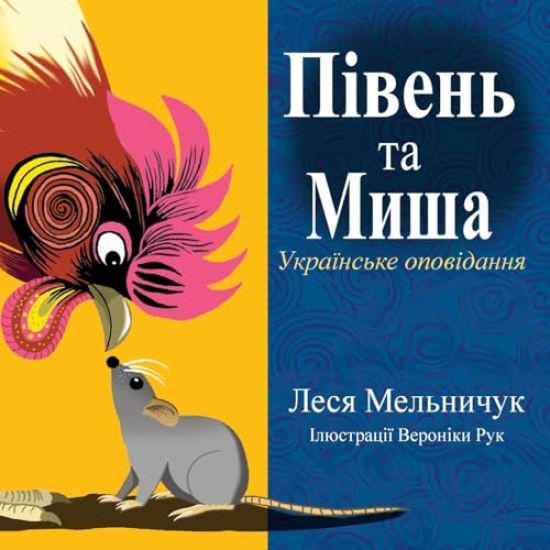
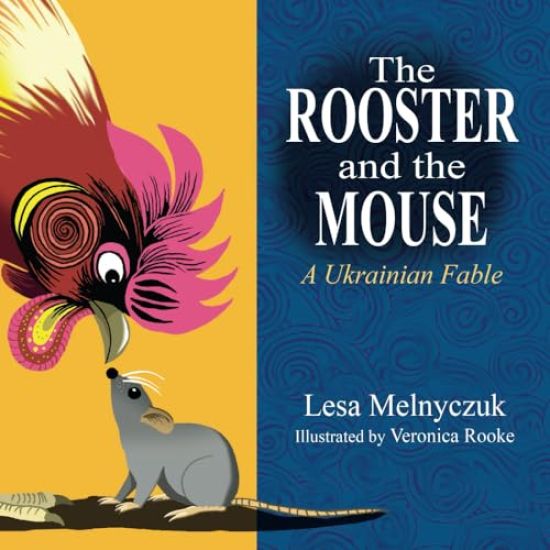
The Rooster and the Mouse

The Rooster and the Mouse

Lesa Melnyczuk

Lesa Melnyczuk Publisher
2024
pokkari
A fable about helping one another and friendship. This is Lesa Melnyczuk's third book in the series of Baba's Chooks and the Magic Laying Box story series. This fable was written two months before the invasion of Ukraine on the 24th February 2022. This eerie coincidence has been explained as Ukrainian magic.
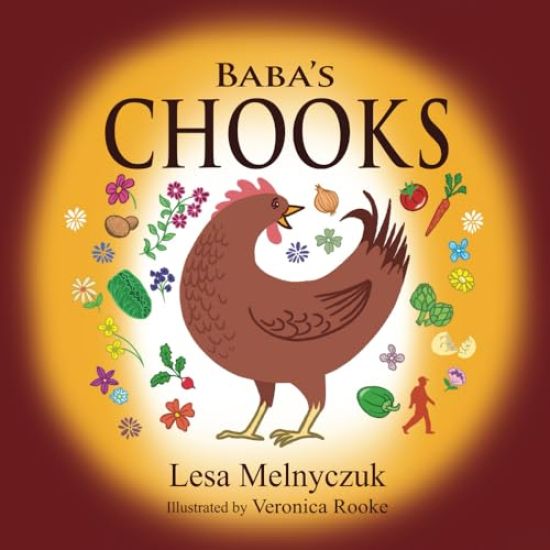
Baba's Chooks

Baba's Chooks

Lesa Melnyczuk

Lesa Melnyczuk Publisher
2024
pokkari
Baba's ChooksA wonderful tale taken from an original memory of an historic event in Ukraine during 1932-1933. It tells of a family crisis, sadness, love, friendship and hope through the eyes of four brown hens and their Ukrainian owner Baba Helen. A child's history story like no other.
The Pysanka Chicken

The Pysanka Chicken

Lesa Melnyczuk

Lesa Melnyczuk Publisher
2024
sidottu
The Pysanka Chicken: We Are All Born DifferentOccam's Razor is a medical term Doctors use when trying to understand and help children with rare conditions or diseases.We are all born different, but sometimes you cannot see the difference.A Ukrainian tale by Lesa Melnyczuk about a small chicks' unusual start to life.Dedicated to all the children with rare conditions and rare diseasesFOREWORDProfessor Steve Wilton AO Director of the Perron Institute. Foundation Chair of Molecular Therapy at Murdoch University. Director of Murdoch University's Centre for Molecular Medicine and Innovative Therapeutics.It seemed strange being asked to endorse this insightful children's book about being different, family relationships and rare diseases. Many think I am different, I don't have children and I was blessed to be raised in a loving and supportive family. More importantly, as a medical researcher I have spent more than 30 years working on rare diseases, so it does make sense. The Pysanka Chicken is a beautifully illustrated story explaining to children why people are different, why some children need more help than others and the importance of a caring family. Explaining why we are all different and the concept of rare diseases to children (and many others) is very challenging. And necessary when an estimated 1 in 10 people live with one or more of the 7,000 rare diseases described to date. These are important discussions to have. The earlier the better. To start one discussion is - Should doctors be thinking of Occam's razor or zebras? Occam's razor theory isIf you have two competing ideas to explain the same effect, go for the simpler one. While teaching the diagnosis of diseases, Dr Theodore Woodward, tells student doctors to go for the most common diagnosis by saying: "When you hear hoofbeats behind you, don't expect to see a zebra" So the zebra was chosen to represent rare diseases or conditions. These are so very infrequent that many doctors may see a handful of cases in their lifetime, and this often leads to a diagnostic odyssey that may take years. Without a diagnosis there is uncertainty and no possibility of the best treatment. Everyone is different, sometimes for the better, sometimes not but we must embrace our uniqueness and individuality. I know I was smiling at many parts.FORWORDProfessor Sulev K ks Head of Genetic Epidemiology Research The Perron Institute and Murdoch University, Perth Western Australia Director of the Perron Institute. Foundation Chair of Molecular Therapy at Murdoch University. Director of Murdoch University's Centre for Molecular Medicine and Innovative Therapeutics. Please enjoy this book, I know I was smiling at many parts. Foreword We are all different, and this is the recognition of these differences that strengthens and improves our communities. The Pysanka Chicken is an innovative approach to address how we are all united by being different. This book combines a centuries-old tradition with a modern medical need and differences arising from health conditions. It is a much-needed book that teaches kindness and the bravery to recognise and protect differences. This is an inspirational book to encourage readers to fight for the patients living with rare diseases.