Kirjojen hintavertailu. Mukana 12 595 353 kirjaa ja 12 kauppaa.
Kirjailija
Lesley Mandel Morrow
Kirjat ja teokset yhdessä paikassa: 9 kirjaa, julkaisuja vuosilta 2007-2025, suosituimpien joukossa Productive, not Polarizing. Vertaile teosten hintoja ja tarkista saatavuus suomalaisista kirjakaupoista.
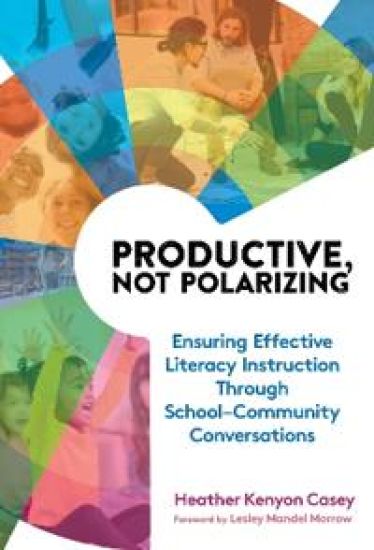
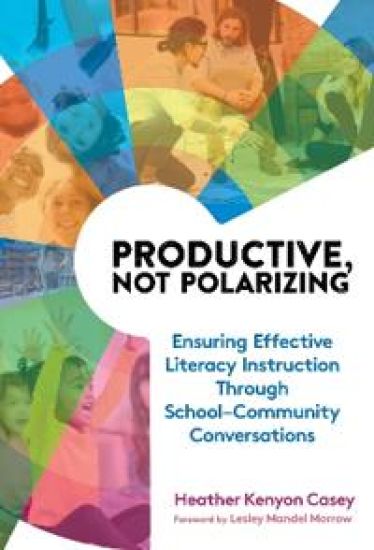
Learn how to build and sustain productive community partnerships that support the literacy development of children and adolescents (P–12). Drawing on research that informs effective literacy practices, this book pushes back on singular ideologies, programs, and divisive rhetoric and, instead, embraces an inclusive perspective for supporting literacy development and learning. Readers are encouraged to move beyond debates that divide us and look toward the hard but necessary work of building the partnerships needed to support all students. Productive, Not Polarizing begins with a focus on community literacies and then describes effective literacy practices across grade levels. Designed for a wide audience, it will assist educators, families, and community partners to have informed conversations about what literacy instruction and learning involves. Every chapter includes a Community Snapshot describing a real-life scenario in which a partnering benefits students; an Ideas for Action section that can be adapted to your own context; reflection questions; and a list of helpful resources that include potential sources of funding. Book Features: An accessible, positive discussion of literacy research and practices for educators, families, and community partners. A response to increasingly contentious conversations about literacy instruction. Guidance to help educators engage with key community partners and stakeholders, such as administrators, families, childcare centers, afterschool programs, and local school boards. Opportunities to consider the role of teacher education and professional development in supporting school–community conversations. Ready-to-use resources, such as reproducible materials and community planning and event guides.
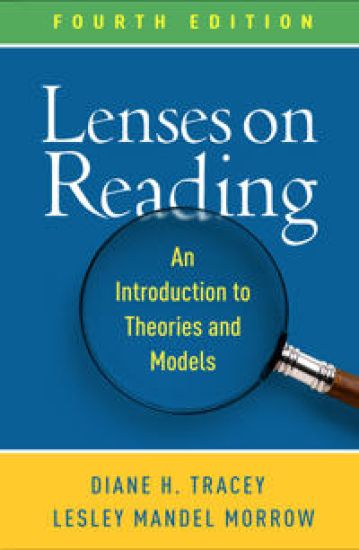
Now in a revised and updated fourth edition incorporating current advances in research and instructional practices, this well-established text accessibly introduces prominent theories and models related to reading. The book is organized chronologically, from classical approaches to contemporary cognitive, social learning, physiological, and affective perspectives. It emphasizes that the more lenses educators possess for examining reading processes, the better equipped they will be to understand and facilitate children's literacy development. Pedagogical features include framing and discussion questions, learning activities, teacher anecdotes, and examples of how each model is applied in classroom practice and research. New to This Edition *Chapter on digital literacy. *Expanded discussions of direct/explicit instruction, social and emotional learning, critical literacy theory, critical race theory, culturally responsive teaching, social equity and justice, the science of reading, and neuroscientific lenses. *All chapters updated with the latest research; many new classroom anecdotes added. *Links to recommended YouTube videos illustrating the theories and models.
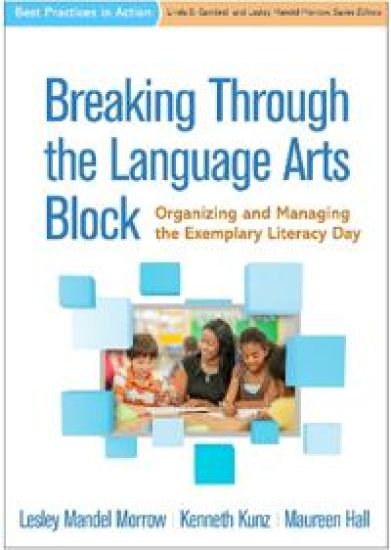
This innovative book helps K-6 teachers infuse the entire school day with research-based literacy best practices. Classroom-tested strategies are presented for planning and implementing each component of the "exemplary literacy day"--vocabulary and word study sessions, literacy work stations, differentiated guided reading groups, reading and writing workshops, and interdisciplinary projects. Teachers get tips for organizing a print-rich classroom, supporting students' social–emotional well-being, and using assessment to guide instruction. User-friendly features include vivid vignettes, classroom management tips, questions for discussion and reflection, and 15 reproducible forms, checklists, and lesson templates. Purchasers get access to a Web page where they can download and print the reproducible materials in a convenient 8 1/2" x 11" size. Note: this book is a contemporary follow-up to Morrow's influential earlier title Organizing and Managing the Language Arts Block.
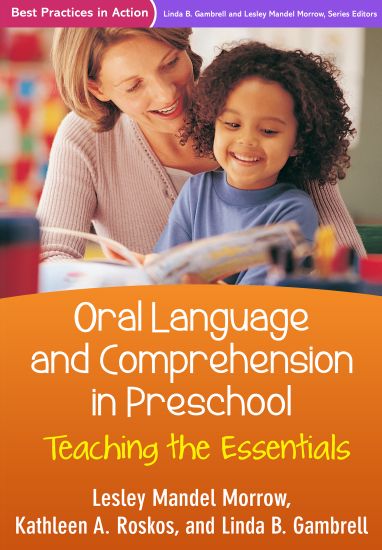
Before children are readers and writers, they are speakers and listeners. This book provides creative, hands-on strategies for developing preschoolers' speaking, listening, and oral comprehension skills, within a literacy-rich classroom environment. Each chapter features helpful classroom vignettes; a section called Preschool in Practice, with step-by-step lesson ideas; and Ideas for Discussion, Reflection, and Action. The book addresses the needs of English language learners and describes ways to support students' literacy development at home. The final chapter pulls it all together through a portrait of an exemplary day of preschool teaching and learning. Reproducible forms and checklists can be downloaded and printed in a convenient 8 1/2" x 11" size.
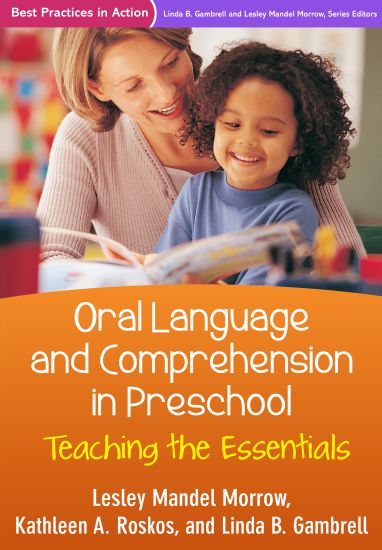
Preschoolers are passionate about learning, and a high-quality preschool program offers rich learning experiences in the areas of language and literacy. This engaging book gives teachers and other professionals fresh ideas, inspiration, and practical tools for integrating age-appropriate literacy instruction into the preschool curriculum. Including helpful vignettes, sample lesson plans, and reproducibles, the book shows how to create a motivating classroom environment, balance child-initiated exploration with structured activities, and support students' developing skills in reading, writing, speaking, and comprehension. Essential topics include preschool assessment and working with English language learners.