Kirjojen hintavertailu. Mukana 12 595 353 kirjaa ja 12 kauppaa.

Kirjailija

Leslie A. Robertson

Kirjat ja teokset yhdessä paikassa: 4 kirjaa, julkaisuja vuosilta 2004-2013, suosituimpien joukossa Imagining Difference. Vertaile teosten hintoja ja tarkista saatavuus suomalaisista kirjakaupoista.

4 kirjaa

Kirjojen julkaisuhaarukka 2004-2013.

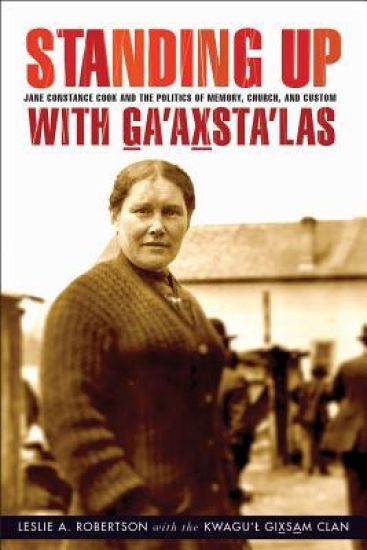
Standing Up with G_a'ax_sta'las

Standing Up with G_a'ax_sta'las

Leslie A. Robertson

University of British Columbia Press
2013
pokkari
Standing Up with G_a'ax_sta'las is a compelling conversation with the colonial past initiated by the descendants of Kwakwa_ka_'wakw leader and activist, Jane Constance Cook (1870-1951). Working in collaboration, Robertson and Cook's descendants open this history, challenging dominant narratives that misrepresent her motivations for criticizing customary practices and eventually supporting the potlatch ban. Drawing from oral histories, archival materials, and historical and anthropological works, they offer a nuanced portrait of a high-ranked woman who was a cultural mediator; devout Christian; and activist for land claims, fishing and resource rights, and adequate health care. G_a'ax_sta'las testified at the McKenna-McBride Royal Commission, was the only woman on the executive of the Allied Indian Tribes of BC, and was a fierce advocate for women and children. This powerful meditation on memory documents how the Kwagu'l Gix_sa_m revived their dormant clan to forge a positive social and cultural identity for future generations through feasting and potlatching.
Standing Up with G_a'ax_sta'las

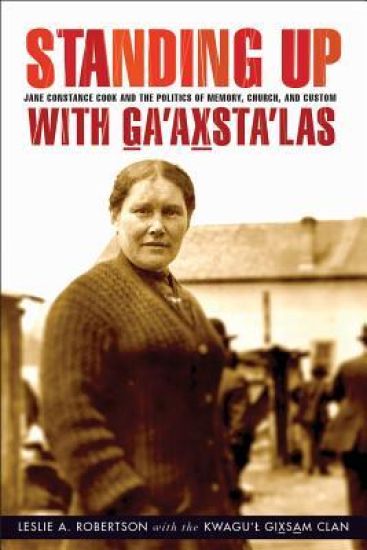
Standing Up with G_a'ax_sta'las

Leslie A. Robertson

University of British Columbia Press
2012
sidottu
Standing Up with G_a'ax_sta'las is a compelling conversation with the colonial past initiated by the descendants of Kwakwa_ka_'wakw leader and activist, Jane Constance Cook (1870-1951). Working in collaboration, Robertson and Cook's descendants open this history, challenging dominant narratives that misrepresent her motivations for criticizing customary practices and eventually supporting the potlatch ban. Drawing from oral histories, archival materials, and historical and anthropological works, they offer a nuanced portrait of a high-ranked woman who was a cultural mediator; devout Christian; and activist for land claims, fishing and resource rights, and adequate health care. G_a'ax_sta'las testified at the McKenna-McBride Royal Commission, was the only woman on the executive of the Allied Indian Tribes of BC, and was a fierce advocate for women and children. This powerful meditation on memory documents how the Kwagu'l Gix_sa_m revived their dormant clan to forge a positive social and cultural identity for future generations through feasting and potlatching.
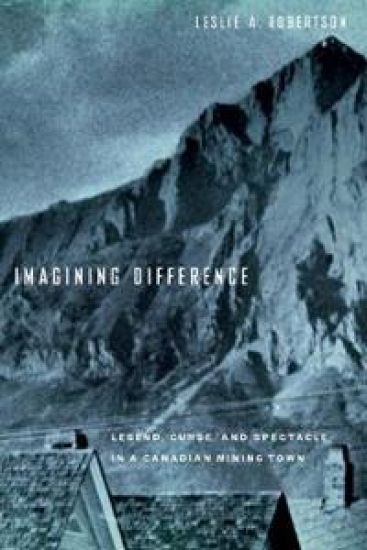
Imagining Difference

Imagining Difference

Leslie A. Robertson

University of British Columbia Press
2005
pokkari
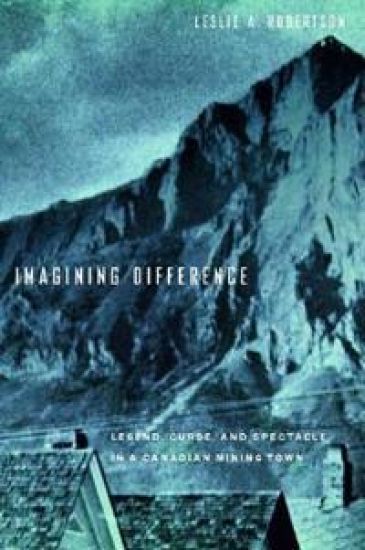
Imagining Difference is an ethnography about historical and contemporary ideas of human difference expressed by residents of Fernie, BC – a coal-mining town transforming into an international ski resort. Focusing on diverse experiences of people from the European diaspora, Robertson analyzes expressions of difference from the multiple locations of age, ethnicity, gender, class, and religion. Her starting point is a popular local legend about an indigenous curse cast on the valley and its residents in the nineteenth century. Successive interpretations of the story reveal a complicated landscape of memory and silence, mapping out official and contested histories, social and scientific theories as well as the edicts of political discourse. Cursing becomes a metaphor for discursive power resonating in political, popular, and cultural contexts, transmitting ideas of difference across generations and geographies.Stories are powerful imaginative resources in the contexts of colonialism, war, immigration, labour strife, natural disaster, treaty-making, and globalization.This study suggests that while criteria may shift, ideas of "race" and "foreignness," expressions of regionalism, and class and religious identity remain fixed in the social imagination.The author draws from folklore, media imagery, historical records, and interviews; field notes and verbatim accounts provide readers with a sense of the ethnographic process. While situated historically and socially in Fernie, BC, this work will appeal to those in anthropology, women's studies, Native studies, and history, as well as to regional readers and anyone interested in life in resource towns in North America.
Imagining Difference

Imagining Difference

Leslie A. Robertson

University of British Columbia Press
2004
sidottu
Imagining Difference is an ethnography about historical and contemporary ideas of human difference expressed by residents of Fernie, BC – a coal-mining town transforming into an international ski resort. Focusing on diverse experiences of people from the European diaspora, Robertson analyzes expressions of difference from the multiple locations of age, ethnicity, gender, class, and religion. Her starting point is a popular local legend about an indigenous curse cast on the valley and its residents in the nineteenth century. Successive interpretations of the story reveal a complicated landscape of memory and silence, mapping out official and contested histories, social and scientific theories as well as the edicts of political discourse. Cursing becomes a metaphor for discursive power resonating in political, popular, and cultural contexts, transmitting ideas of difference across generations and geographies.Stories are powerful imaginative resources in the contexts of colonialism, war, immigration, labour strife, natural disaster, treaty-making, and globalization.This study suggests that while criteria may shift, ideas of "race" and "foreignness," expressions of regionalism, and class and religious identity remain fixed in the social imagination.The author draws from folklore, media imagery, historical records, and interviews; field notes and verbatim accounts provide readers with a sense of the ethnographic process. While situated historically and socially in Fernie, BC, this work will appeal to those in anthropology, women's studies, Native studies, and history, as well as to regional readers and anyone interested in life in resource towns in North America.