Kirjojen hintavertailu. Mukana 12 256 396 kirjaa ja 12 kauppaa.

Kirjailija

Leslie Rupert Herrenkohl

Kirjat ja teokset yhdessä paikassa: 3 kirjaa, julkaisuja vuosilta 1998-2015, suosituimpien joukossa Creating Scientific Communities in the Elementary Classroom. Vertaile teosten hintoja ja tarkista saatavuus suomalaisista kirjakaupoista.

3 kirjaa

Kirjojen julkaisuhaarukka 1998-2015.

How Students Come to Be, Know, and Do

How Students Come to Be, Know, and Do

Leslie Rupert Herrenkohl; Véronique Mertl

Cambridge University Press
2015
pokkari
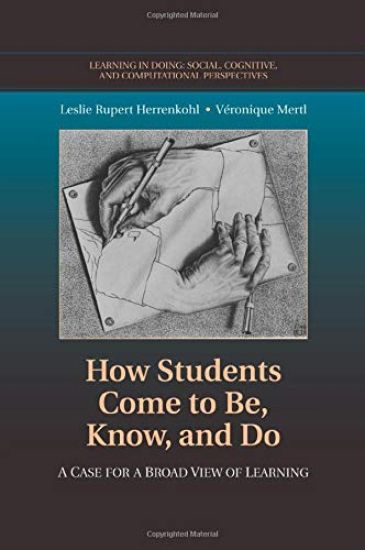
Studies of learning are too frequently conceptualized only in terms of knowledge development. Yet it is vital to pay close attention to the social and emotional aspects of learning in order to understand why and how it occurs. How Students Come to Be, Know, and Do builds a theoretical argument for and a methodological approach to studying learning in a holistic way. The authors provide examples of urban fourth graders from diverse cultural and linguistic backgrounds studying science as a way to illustrate how this model contributes to a more complete and complex understanding of learning in school settings. What makes this book unique is its insistence that to fully understand human learning we have to consider the affective-volitional processes of learning along with the more familiar emphasis on knowledge and skills.
How Students Come to Be, Know, and Do

How Students Come to Be, Know, and Do

Leslie Rupert Herrenkohl; Véronique Mertl

Cambridge University Press
2010
sidottu
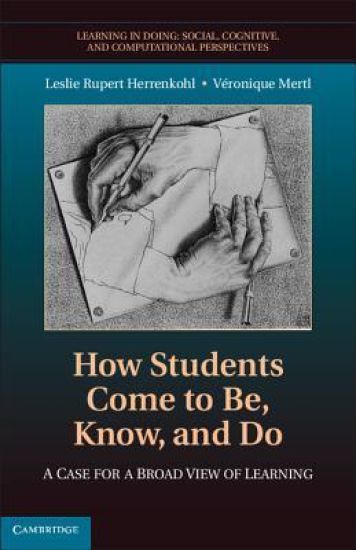
Studies of learning are too frequently conceptualized only in terms of knowledge development. Yet it is vital to pay close attention to the social and emotional aspects of learning in order to understand why and how it occurs. How Students Come to Be, Know, and Do builds a theoretical argument for and a methodological approach to studying learning in a holistic way. The authors provide examples of urban fourth graders from diverse cultural and linguistic backgrounds studying science as a way to illustrate how this model contributes to a more complete and complex understanding of learning in school settings. What makes this book unique is its insistence that to fully understand human learning we have to consider the affective-volitional processes of learning along with the more familiar emphasis on knowledge and skills.