Kirjojen hintavertailu. Mukana 12 595 353 kirjaa ja 12 kauppaa.

Kirjailija

Liam Gillick

Kirjat ja teokset yhdessä paikassa: 9 kirjaa, julkaisuja vuosilta 2006-2025, suosituimpien joukossa Curating Research. Vertaile teosten hintoja ja tarkista saatavuus suomalaisista kirjakaupoista.

9 kirjaa

Kirjojen julkaisuhaarukka 2006-2025.

A Variability Quantifier

A Variability Quantifier

Liam Gillick

STERNBERG PRESS
2025
pokkari
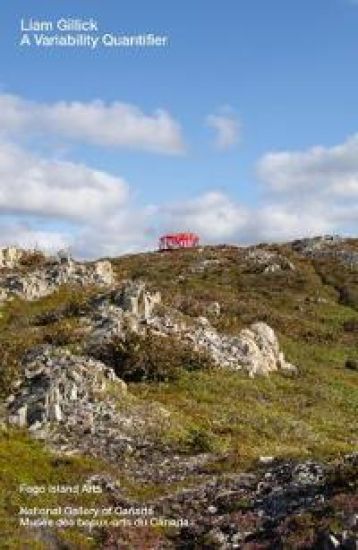
Liam Gillick's process in building a functioning weather station for Fogo Island, Newfoundland. A Variability Quantifier is an artwork intended to function as an operational weather station. Located on Fogo Island to the north of Newfoundland, it gathers local weather data and is a place for education, reflection, and discussion. A year after the installation of the work Liam Gillick returned to Fogo to make a documentary film about his work. This resulted in two separate films that make use of the same footage. In Variability Quantified we hear Nobel Prize winning climatologist Syukuro Manabe explaining the science of global heating and his pioneering work modeling earth's climate in the 1960s. In Quantified Variability the artist dramatically altered the natural colors in the footage and set it to a layered soundtrack of automated industrial production. This book is a record of the two films alongside a discussion with art historian Tom McDonough. With earlier projects in Paris, Japan and Australia, Gillick engaged in representing the science of the climate crisis. A Variability Quantifier collects data to feed into the global system extending his artistic elevation of the maths and science of our shared climate emergency. Foreword by Jos e Drouin-Brisebois, Andria HickeyConversation with Liam Gillick and Tom McDonough
Industry and Intelligence

Industry and Intelligence

Liam Gillick

Columbia University Press
2018
pokkari
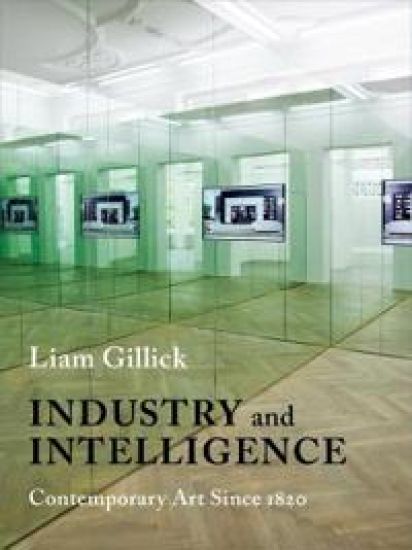
The history of modern art is often told through aesthetic breakthroughs that sync well with cultural and political change. From Courbet to Picasso, from Malevich to Warhol, it is accepted that art tracks the disruptions of industrialization, fascism, revolution, and war. Yet filtering the history of modern art only through catastrophic events cannot account for the subtle developments that lead to the profound confusion at the heart of contemporary art. In Industry and Intelligence, the artist Liam Gillick writes a nuanced genealogy to help us appreciate contemporary art's engagement with history even when it seems apathetic or blind to current events. Taking a broad view of artistic creation from 1820 to today, Gillick follows the response of artists to incremental developments in science, politics, and technology. The great innovations and dislocations of the nineteenth and twentieth centuries have their place in this timeline, but their traces are alternately amplified and diminished as Gillick moves through artistic reactions to liberalism, mass manufacturing, psychology, nuclear physics, automobiles, and a host of other advances. He intimately ties the origins of contemporary art to the social and technological adjustments of modern life, which artists struggled to incorporate truthfully into their works.
Industry and Intelligence

Industry and Intelligence

Liam Gillick

Columbia University Press
2016
sidottu
The history of modern art is often told through aesthetic breakthroughs that sync well with cultural and political change. From Courbet to Picasso, from Malevich to Warhol, it is accepted that art tracks the disruptions of industrialization, fascism, revolution, and war. Yet filtering the history of modern art only through catastrophic events cannot account for the subtle developments that lead to the profound confusion at the heart of contemporary art. In Industry and Intelligence, the artist Liam Gillick writes a nuanced genealogy to help us appreciate contemporary art's engagement with history even when it seems apathetic or blind to current events. Taking a broad view of artistic creation from 1820 to today, Gillick follows the response of artists to incremental developments in science, politics, and technology. The great innovations and dislocations of the nineteenth and twentieth centuries have their place in this timeline, but their traces are alternately amplified and diminished as Gillick moves through artistic reactions to liberalism, mass manufacturing, psychology, nuclear physics, automobiles, and a host of other advances. He intimately ties the origins of contemporary art to the social and technological adjustments of modern life, which artists struggled to incorporate truthfully into their works.
Curating Research

Curating Research

Hyunjoo Byeon; Carson Chan; Olga Fernandez-Lopez; Kate Fowle; Maja Fowkes; Reuben Fowkes; Liam Gillick; Georgina Jackson; Sidsel Nelund; Simon Sheikh

Open Editions
2014
nidottu
This anthology of newly commissioned texts presents a series of detailed examples of the different kinds of knowledge production that have recently emerged within the field of curatorial practice. The first volume of its kind to provide an overview of the theme of research within contemporary curating, "Curating Research" marks a new phase in developments of the profession globally. Consisting of case studies and contextual analyses by curators, artists, critics and academics, including Hyunjoo Byeon, Carson Chan and Joanna Warsza, Chris Fite-Wassilak, Olga Fernandez Lopez, Kate Fowle, Maja and Reuben Fowkes, Liam Gillick, Georgina Jackson, Sidsel Nelund, Simon Sheikh, Henk Slager, tranzit.hu, Jelena Vestic, Marion von Osten and Vivian Ziherl, and edited by curators Paul O'Neill and Mick Wilson, the book is an indispensible resource for all those interested in the current state of art and in the intersection between research and curating that underlies exhibition-making today.
Uri Aran

Uri Aran

Liam Gillick; Fionn Meade; Beatrix Ruf

JRP Ringier
2012
sidottu
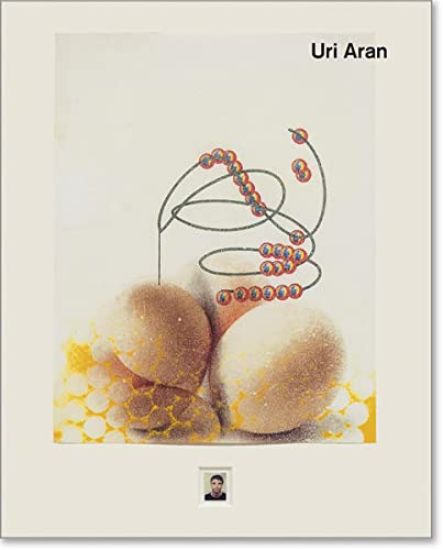
Israeli artist Uri Aran (born 1977) humorously explores the manipulation of commonplace objects in his videos, drawings, assemblages, texts and sculptures. This first monograph tours the artist's production through a detailed selection of his works, numerous installation views, texts and interviews.
Anri Sala

Anri Sala

Hans Ulrich Obrist; Mark Godfrey; Liam Gillick

Phaidon Press Ltd
2006
nidottu
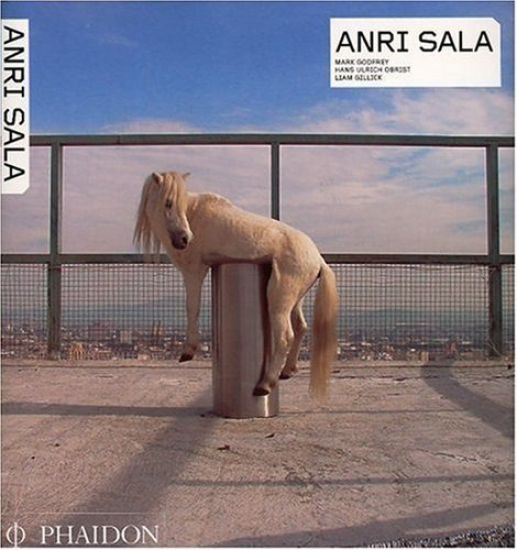
Anri Sala (b. 1974) creates hauntingly simple videos that explore the roles language and vision play in fractured contemporary society.Anri Sala is represented by Galerie Chantal Crousel (Paris), Hauser & Wirth (Zurich/London) and Marian Goodman Gallery (New York).