
Kirjailija
Libby Porter
Kirjat ja teokset yhdessä paikassa: 7 kirjaa, julkaisuja vuosilta 2010-2020, suosituimpien joukossa Planning in Indigenous Australia. Vertaile teosten hintoja ja tarkista saatavuus suomalaisista kirjakaupoista.
7 kirjaa
Kirjojen julkaisuhaarukka 2010-2020.
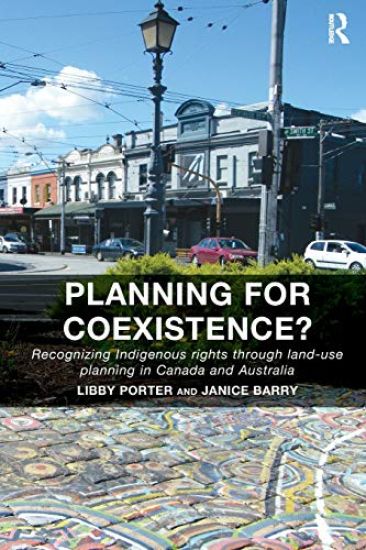
Planning is becoming one of the key battlegrounds for Indigenous people to negotiate meaningful articulation of their sovereign territorial and political rights, reigniting the essential tension that lies at the heart of Indigenous-settler relations. But what actually happens in the planning contact zone - when Indigenous demands for recognition of coexisting political authority over territory intersect with environmental and urban land-use planning systems in settler-colonial states? This book answers that question through a critical examination of planning contact zones in two settler-colonial states: Victoria, Australia and British Columbia, Canada. Comparing the experiences of four Indigenous communities who are challenging and renegotiating land-use planning in these places, the book breaks new ground in our understanding of contemporary Indigenous land justice politics. It is the first study to grapple with what it means for planning to engage with Indigenous peoples in major cities, and the first of its kind to compare the underlying conditions that produce very different outcomes in urban and non-urban planning contexts. In doing so, the book exposes the costs and limits of the liberal mode of recognition as it comes to be articulated through planning, challenging the received wisdom that participation and consultation can solve conflicts of sovereignty. This book lays the theoretical, methodological and practical groundwork for imagining what planning for coexistence might look like: a relational, decolonizing planning praxis where self-determining Indigenous peoples invite settler-colonial states to their planning table on their terms.
Planning in Indigenous Australia
Sue Jackson; Libby Porter; Louise C. Johnson
Routledge
2017
nidottu
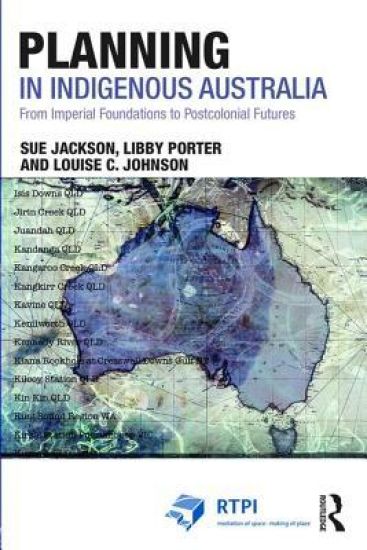
Planning in settler-colonial countries is always taking place on the lands of Indigenous peoples. While Indigenous rights, identity and cultural values are increasingly being discussed within planning, its mainstream accounts virtually ignore the colonial roots and legacies of the discipline’s assumptions, techniques and methods. This ground-breaking book exposes the imperial origins of the planning canon, profession and practice in the settler-colonial country of Australia.By documenting the role of planning in the history of Australia’s relations with Indigenous peoples, the book maps the enduring effects of colonisation. It provides a new historical account of colonial planning practices and rewrites the urban planning histories of major Australian cities. Contemporary land rights, native title and cultural heritage frameworks are analysed in light of their critical importance to planning practice today, with detailed case illustrations. In reframing Australian planning from a postcolonial perspective, the book shatters orthodox accounts, revising the story that planning has told itself for over 100 years. New ways to think and practise planning in Indigenous Australia are advanced.Planning in Indigenous Australia makes a major contribution towards the decolonisation of planning. It is essential reading for students and teachers in tertiary planning programmes, as well as those in geography, development studies, postcolonial studies, anthropology and environmental management. It is also vital reading for professional planners in the public, private and community sectors.
Planning in Indigenous Australia
Sue Jackson; Libby Porter; Louise C. Johnson
Routledge
2017
sidottu
Planning in settler-colonial countries is always taking place on the lands of Indigenous peoples. While Indigenous rights, identity and cultural values are increasingly being discussed within planning, its mainstream accounts virtually ignore the colonial roots and legacies of the discipline’s assumptions, techniques and methods. This ground-breaking book exposes the imperial origins of the planning canon, profession and practice in the settler-colonial country of Australia.By documenting the role of planning in the history of Australia’s relations with Indigenous peoples, the book maps the enduring effects of colonisation. It provides a new historical account of colonial planning practices and rewrites the urban planning histories of major Australian cities. Contemporary land rights, native title and cultural heritage frameworks are analysed in light of their critical importance to planning practice today, with detailed case illustrations. In reframing Australian planning from a postcolonial perspective, the book shatters orthodox accounts, revising the story that planning has told itself for over 100 years. New ways to think and practise planning in Indigenous Australia are advanced.Planning in Indigenous Australia makes a major contribution towards the decolonisation of planning. It is essential reading for students and teachers in tertiary planning programmes, as well as those in geography, development studies, postcolonial studies, anthropology and environmental management. It is also vital reading for professional planners in the public, private and community sectors.
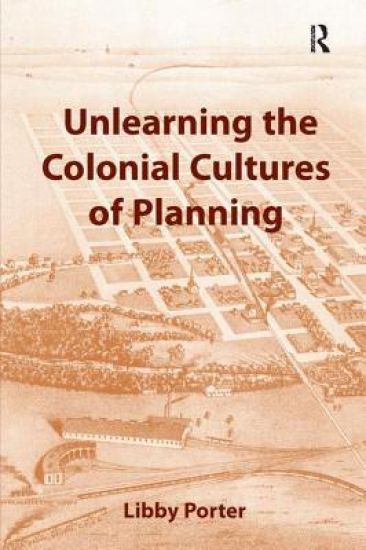
Colonialization has never failed to provoke discussion and debate over its territorial, economic and political projects, and their ongoing consequences. This work argues that the state-based activity of planning was integral to these projects in conceptualizing, shaping and managing place in settler societies. Planning was used to appropriate and then produce territory for management by the state and in doing so, became central to the colonial invasion of settler states. Moreover, the book demonstrates how the colonial roots of planning endure in complex (post)colonial societies and how such roots, manifest in everyday planning practice, continue to shape land use contests between indigenous people and planning systems in contemporary (post)colonial states.
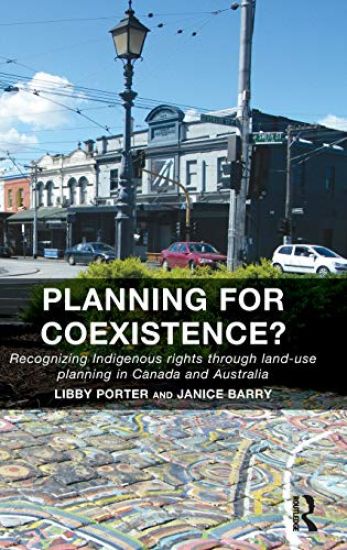
Planning is becoming one of the key battlegrounds for Indigenous people to negotiate meaningful articulation of their sovereign territorial and political rights, reigniting the essential tension that lies at the heart of Indigenous-settler relations. But what actually happens in the planning contact zone - when Indigenous demands for recognition of coexisting political authority over territory intersect with environmental and urban land-use planning systems in settler-colonial states? This book answers that question through a critical examination of planning contact zones in two settler-colonial states: Victoria, Australia and British Columbia, Canada. Comparing the experiences of four Indigenous communities who are challenging and renegotiating land-use planning in these places, the book breaks new ground in our understanding of contemporary Indigenous land justice politics. It is the first study to grapple with what it means for planning to engage with Indigenous peoples in major cities, and the first of its kind to compare the underlying conditions that produce very different outcomes in urban and non-urban planning contexts. In doing so, the book exposes the costs and limits of the liberal mode of recognition as it comes to be articulated through planning, challenging the received wisdom that participation and consultation can solve conflicts of sovereignty. This book lays the theoretical, methodological and practical groundwork for imagining what planning for coexistence might look like: a relational, decolonizing planning praxis where self-determining Indigenous peoples invite settler-colonial states to their planning table on their terms.
Colonialization has never failed to provoke discussion and debate over its territorial, economic and political projects, and their ongoing consequences. This work argues that the state-based activity of planning was integral to these projects in conceptualizing, shaping and managing place in settler societies. Planning was used to appropriate and then produce territory for management by the state and in doing so, became central to the colonial invasion of settler states. Moreover, the book demonstrates how the colonial roots of planning endure in complex (post)colonial societies and how such roots, manifest in everyday planning practice, continue to shape land use contests between indigenous people and planning systems in contemporary (post)colonial states.