

Kirjailija
Lilly Wei
Kirjat ja teokset yhdessä paikassa: 5 kirjaa, julkaisuja vuosilta 2016-2024, suosituimpien joukossa Andrei Sharov. Vertaile teosten hintoja ja tarkista saatavuus suomalaisista kirjakaupoista.
5 kirjaa
Kirjojen julkaisuhaarukka 2016-2024.
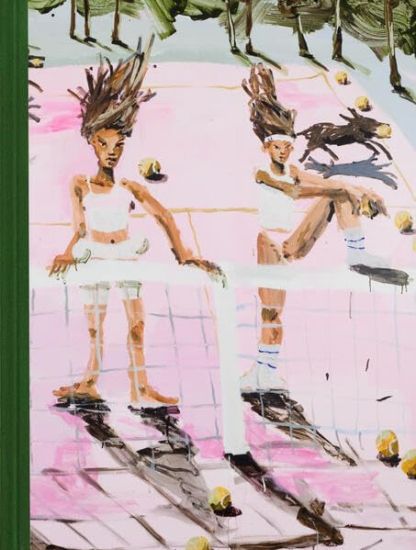
Mie Olise Kjærgaard: Ferocious Expeditions
Eve Hill-Agnus; Maria Kai Nielsen; Marie Laurberg; Lilly Wei
Kerber Verlag
2024
sidottu
Mie Olise Kjærgaard (b. 1974) conquers an artistic domain closely linked to the idea of the genius male painter: expressive, figurative, large-scale paintings. Composed of turbulent brushstrokes, her works on their huge canvases exude a wildness and power. Kjærgaard is utterly convincing in her adoption of the genre and translates the expressive force of gestural painting into a world of female experience. Her works depict active women in sportswear and flip-flops, their hair standing wildly on end. They ride mythical creatures, hang from the railings of ships, play a round of tennis, or hurtle through the neighbourhood on skateboards. Ferocious Expeditions brings together her works from recent years, accompanied by texts that give insight into the work of this Danish painter.

Gail Winbury: Oil Paintings, Travel Canvases, Works on Paper
Lilly Wei; Gail Winbury; Mary Z. Scotti
Createspace Independent Publishing Platform
2016
nidottu
The History of China's Qing Dynasty
Lilly Wei
Createspace Independent Publishing Platform
2018
nidottu
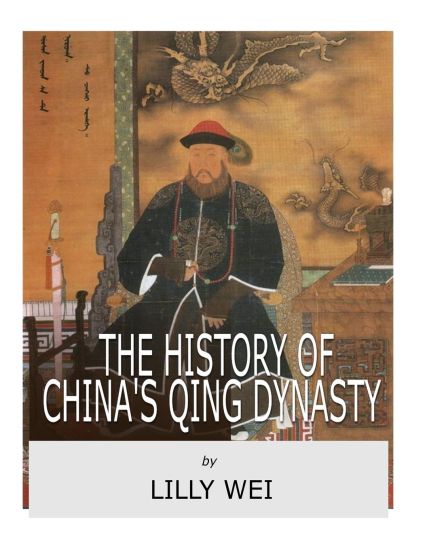
The Qing Dynasty was the last imperial dynasty in China, which it ruled for 268 years. After rising to power in 1644, it managed to cling to power for the better part of three centuries until it was overthrown first in 1911, and finally in 1912 after a brief reprieve. Within the timeline of Chinese history, it follows the Ming Dynasty, which ruled China from 1368-1644, and precedes the formation of the Republic of China, which was formed in 1912 and lasted until Mao Zedong seized power in 1949. The Qing Dynasty is a period of Chinese history that is known for having had powerful rulers who each had long reigns. The period was one of prosperity for the country and its people, but it was also plagued with natural disasters, invasions by foreign armies, entanglements with foreign commercial interests, and rebellions from within its own borders that eventually brought the dynasty down, marking the end of imperial rule in China. Given all of the turmoil surrounding it, it is nothing short of astounding that the dynasty managed to keep power over such a vast, multicultural domain for as long as it did. The History of China's Qing Dynasty tells the story of how the last imperial rulers wielded power and kept various forces at bay for more than 250 years.
The History of China's Qing Dynasty
Lilly Wei
Createspace Independent Publishing Platform
2018
nidottu
The Qing Dynasty was the last imperial dynasty in China, which it ruled for 268 years. After rising to power in 1644, it managed to cling to power for the better part of three centuries until it was overthrown first in 1911, and finally in 1912 after a brief reprieve. Within the timeline of Chinese history, it follows the Ming Dynasty, which ruled China from 1368-1644, and precedes the formation of the Republic of China, which was formed in 1912 and lasted until Mao Zedong seized power in 1949. The Qing Dynasty is a period of Chinese history that is known for having had powerful rulers who each had long reigns. The period was one of prosperity for the country and its people, but it was also plagued with natural disasters, invasions by foreign armies, entanglements with foreign commercial interests, and rebellions from within its own borders that eventually brought the dynasty down, marking the end of imperial rule in China. Given all of the turmoil surrounding it, it is nothing short of astounding that the dynasty managed to keep power over such a vast, multicultural domain for as long as it did. The History of China's Qing Dynasty tells the story of how the last imperial rulers wielded power and kept various forces at bay for more than 250 years.