Kirjojen hintavertailu. Mukana 12 453 314 kirjaa ja 12 kauppaa.

Kirjailija

Lin Foxhall

Kirjat ja teokset yhdessä paikassa: 4 kirjaa, julkaisuja vuosilta 2007-2013, suosituimpien joukossa Studying Gender in Classical Antiquity. Vertaile teosten hintoja ja tarkista saatavuus suomalaisista kirjakaupoista.

4 kirjaa

Kirjojen julkaisuhaarukka 2007-2013.

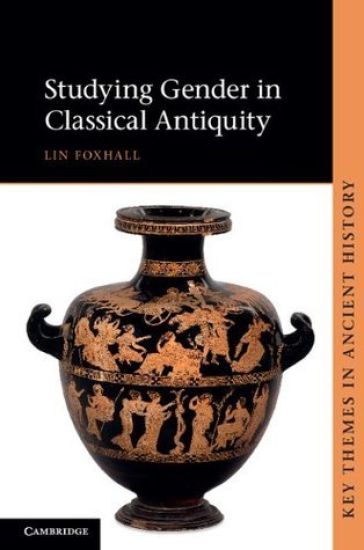
Studying Gender in Classical Antiquity

Studying Gender in Classical Antiquity

Lin Foxhall

Cambridge University Press
2013
pokkari
This book investigates how varying practices of gender shaped people's lives and experiences across the societies of ancient Greece and Rome. Exploring how gender was linked with other socio-political characteristics such as wealth, status, age and life-stage, as well as with individual choices, in the very different world of classical antiquity is fascinating in its own right. But later perceptions of ancient literature and art have profoundly influenced the development of gendered ideologies and hierarchies in the West, and influenced the study of gender itself. Questioning how best to untangle and interpret difficult sources is a key aim. This book exploits a wide range of archaeological, material cultural, visual, spatial, demographic, epigraphical and literary evidence to consider households, families, life-cycles and the engendering of time, legal and political institutions, beliefs about bodies, sex and sexuality, gender and space, the economic implications of engendered practices, and gender in religion and magic.
Studying Gender in Classical Antiquity

Studying Gender in Classical Antiquity

Lin Foxhall

Cambridge University Press
2013
sidottu
This book investigates how varying practices of gender shaped people's lives and experiences across the societies of ancient Greece and Rome. Exploring how gender was linked with other socio-political characteristics such as wealth, status, age and life-stage, as well as with individual choices, in the very different world of classical antiquity is fascinating in its own right. But later perceptions of ancient literature and art have profoundly influenced the development of gendered ideologies and hierarchies in the West, and influenced the study of gender itself. Questioning how best to untangle and interpret difficult sources is a key aim. This book exploits a wide range of archaeological, material cultural, visual, spatial, demographic, epigraphical and literary evidence to consider households, families, life-cycles and the engendering of time, legal and political institutions, beliefs about bodies, sex and sexuality, gender and space, the economic implications of engendered practices, and gender in religion and magic.
The Cambridge Dictionary of Classical Civilization

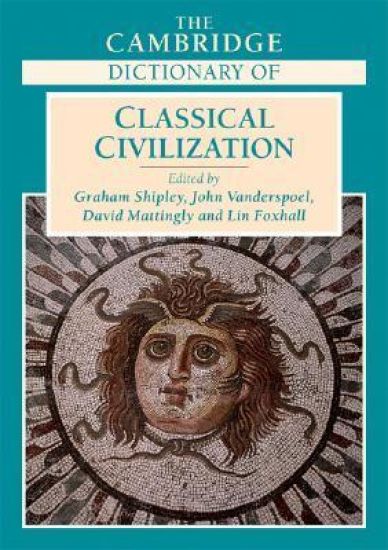
The Cambridge Dictionary of Classical Civilization

Graham Shipley; John Vanderspoel; David Mattingly; Lin Foxhall

Cambridge University Press
2008
pokkari
The Cambridge Guide to Classical Civilization provides an authoritative survey of the classical world, combining the traditional strengths of classical subjects with new approaches examining the social and cultural features of the ancient Greek and Roman world. Ranging in time from post-Bronze Age Greece to the later Roman Empire, it looks not only at ancient Greece and Rome, but discusses those cultures with which Greeks and Romans exchanged information and culture (e.g. Phoenicians, Celts and Jews) and those remote peoples with whom they were in contact (e.g. Persia, China and India). It paints a vivid new picture of ancient life, exploring material realities such as dress and technology. It emphasises the transmission of classical learning and explores our debts to Greece and Rome. Highly-illustrated, with hundreds of entries by leading scholars, this Guide is a superb reference work and definitive companion for anyone with an interest in the ancient world.
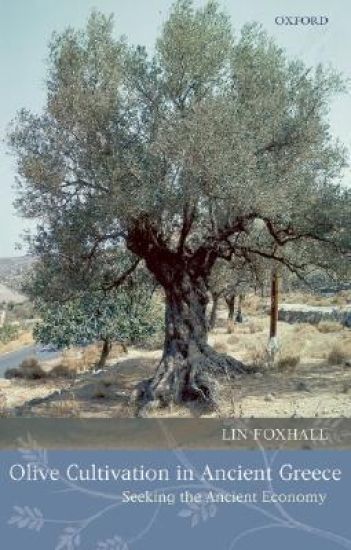
Olive Cultivation in Ancient Greece

Olive Cultivation in Ancient Greece

Lin Foxhall

Oxford University Press
2007
sidottu
Lin Foxhall explores the cultivation of the olive as an extended case study for understanding ancient Greek agriculture in its landscape, economic, social, and political settings. Evidence from written sources, archaeology, and visual images is assembled to focus on what was special about the cultivation and processing of the olive in classical and archaic Greece, and how and why these practices differed from Roman ones. This investigation opens up new ways of thinking about the economies of the archaic and classical Greek world.