Kirjojen hintavertailu. Mukana 12 595 353 kirjaa ja 12 kauppaa.

Kirjailija

Linda C. Morice

Kirjat ja teokset yhdessä paikassa: 5 kirjaa, julkaisuja vuosilta 2016-2022, suosituimpien joukossa Flora White. Vertaile teosten hintoja ja tarkista saatavuus suomalaisista kirjakaupoista.

5 kirjaa

Kirjojen julkaisuhaarukka 2016-2022.

Nuked

Nuked

Linda C. Morice

UNIVERSITY OF GEORGIA PRESS
2022
pokkari
Nuked recounts the long-term effects of radiological exposure in St. Louis, Missouri—the city that refined uranium for the first self- sustaining nuclear reaction and the first atomic bomb. As part of the top-secret Manhattan Project during World War II, the refining created an enormous amount of radioactive waste that increased as more nuclear weapons were produced and stockpiled for the Cold War.Unfortunately, government officials deposited the waste on open land next to the municipal airport. An adjacent creek transported radionuclides downstream to the Missouri River, thereby contaminating St. Louis’s northern suburbs. Amid official assurances of safety, residents were unaware of the risks. The resulting public health crisis continues today with cleanup operations expected to last through the year 2038.Morice attributes the crisis to several factors. They include a minimal concern for land pollution; cutting corners to win the war; new homebuilding practices that spread radioactive dirt; insufficient reporting mechanisms for cancer; and a fragmented government that failed to respond to regional problems.
Nuked

Nuked

Linda C. Morice

UNIVERSITY OF GEORGIA PRESS
2022
sidottu
Nuked recounts the long-term effects of radiological exposure in St. Louis, Missouri—the city that refined uranium for the first self- sustaining nuclear reaction and the first atomic bomb. As part of the top-secret Manhattan Project during World War II, the refining created an enormous amount of radioactive waste that increased as more nuclear weapons were produced and stockpiled for the Cold War.Unfortunately, government officials deposited the waste on open land next to the municipal airport. An adjacent creek transported radionuclides downstream to the Missouri River, thereby contaminating St. Louis’s northern suburbs. Amid official assurances of safety, residents were unaware of the risks. The resulting public health crisis continues today with cleanup operations expected to last through the year 2038.Morice attributes the crisis to several factors. They include a minimal concern for land pollution; cutting corners to win the war; new homebuilding practices that spread radioactive dirt; insufficient reporting mechanisms for cancer; and a fragmented government that failed to respond to regional problems.
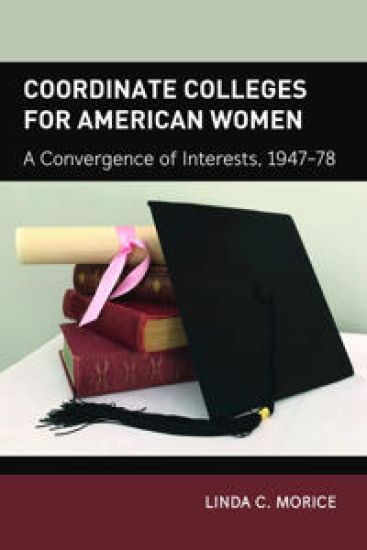
Coordinate Colleges for American Women

Coordinate Colleges for American Women

Linda C. Morice

Peter Lang Publishing Inc
2018
sidottu
Coordinate Colleges for American Women: A Convergence of Interests, 1947–78 explores the history of the coordinate college—a separate school of higher learning for women connected to an older, all-male institution. This book places special emphasis on three (previously all-male) liberal arts colleges located in the Midwest and upstate New York. They established women’s coordinate colleges in the years following World War II, but ended them by 1980, becoming fully coeducational. The author draws on new primary sources to show that, in each case, a coordinate college was created to meet the converging interests of the founding institution—not to improve the education of women. The work is set in the context of four major social movements during the mid-to-late twentieth century involving civil rights, student rights, antiwar protest, and women’s liberation.
Coordinate Colleges for American Women

Coordinate Colleges for American Women

Linda C. Morice

Peter Lang Publishing Inc
2018
nidottu
Coordinate Colleges for American Women: A Convergence of Interests, 1947–78 explores the history of the coordinate college—a separate school of higher learning for women connected to an older, all-male institution. This book places special emphasis on three (previously all-male) liberal arts colleges located in the Midwest and upstate New York. They established women’s coordinate colleges in the years following World War II, but ended them by 1980, becoming fully coeducational. The author draws on new primary sources to show that, in each case, a coordinate college was created to meet the converging interests of the founding institution—not to improve the education of women. The work is set in the context of four major social movements during the mid-to-late twentieth century involving civil rights, student rights, antiwar protest, and women’s liberation.
Flora White

Flora White

Linda C. Morice

Lexington Books
2016
sidottu
Flora White: In the Vanguard of Gender Equity draws on a collection of personal papers (only recently made available to scholars) to present the life of a colorful New England educator who lived from the Civil War to the Cold War. Throughout her career, White worked to promote the physical and intellectual growth of girls and young women beyond the narrow gender stereotypes of the day. Although White’s name is not a household word, this book represents a newer form of biography in which the life of a lesser-known individual serves as a lens for understanding larger social and cultural developments. In Flora White’s case, this newer biographical approach produced findings to inform research in both educational history and gender studies. For example, White’s papers correct some longstanding misconceptions about the origins of the progressive education movement and the role women played in it. White’s sources also shed light on the complicated relationships of educated (but marginalized) U.S. women and the prominent men who mentored them. In addition, White’s papers show that--in order to protect herself from those who might find her words objectionable—she used coded language (such as poetry) to counter sexist stereotypes and advance her desire for a fuller life for her students and herself. Although, upon her death, a newspaper obituary praised White for being recognized by “men of note” in educational circles, her efforts to promote the physical and intellectual development of girls and women helped to create opportunity that is still unfolding today.