Kirjailija
Linda Cooper
Kirjat ja teokset yhdessä paikassa: 11 kirjaa, julkaisuja vuosilta 2003-2025, suosituimpien joukossa Sticking Together. Vertaile teosten hintoja ja tarkista saatavuus suomalaisista kirjakaupoista.
11 kirjaa
Kirjojen julkaisuhaarukka 2003-2025.

Journaling Journeys - Journal Through the Journey of Ending Your Relationship Well
Linda Cooper
Inward Bound Publishing
2023
pokkari
Reclaim your sense of self and become stronger after ending a relationship. Are you tired of having the same fights with your partner over and over again? Do you bottle up your feelings because you believe they will only lead to more arguments? Are insecurities ruining your relationship? A toxic relationship robs you of your peace and happiness. It leaves you emotionally drained and confused, hindering you from making progress in your life. Choosing a life partner is one of the most critical decisions you will ever make - Uncover the truths and patterns that will either help or hinder your ability to attract and/or maintain the healthy relationship you desire. When you enter into a relationship with someone, you are entering a relationship with their history, their trauma, and all the experiences and coping mechanisms that have molded them as a person. But remember that a relationship is a two-way street - your own experiences have also shaped your personality and played a crucial role in contributing to the success or failure of your relationship. When ending your relationship feels like the only option, it is best for everyone involved, to end it well. This book will help you reflect on your experiences through journaling so you can reconnect with your inner self and let go of your partner without bitterness and resentment. In this practical guide, you will discover: ● The unhealthy patterns in your life that you need to break to avoid and repair relationship strain● Coping mechanisms you might have from childhood that are preventing you from having healthy relationships● How ending your relationship will impact those around you - and what you can do to avoid unnecessary tension● Why silence is not always golden - know when to stay silent and when to speak up● How childhood experiences shape your adult life and impact your relationships● The limiting beliefs you need to overcome so you can move forward and live a more fulfilling life● How to develop self-compassion so you can let go of anger and resentment● How to conquer your fear of being alone - find contentment in being your own best friend and confidant● How journaling can help you connect to your inner self and discover your truth The real-life stories presented might not match your experience exactly, but this book is designed for you to develop insights that can be applied to your own situations.
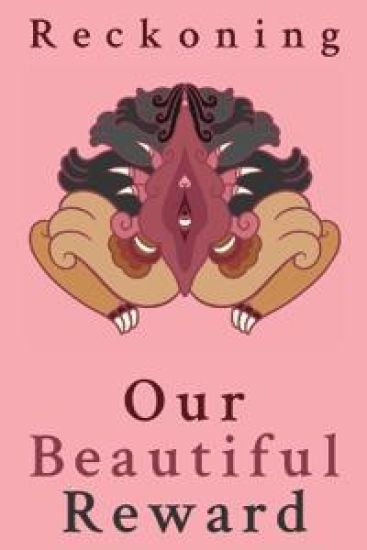
A special issueof Reckoning on bodily autonomy, edited by Catherine Rockwood, on the occasion of the overturn of Roe v. Wade.Reckoning is an award-winning journal of creative writing on environmental justice, featuring fiction, poetry, essays and art.Ebook release: October 16, 2022.Print release: March 16, 2023Trade paper, perfect bound. 120 pages; 32,000 words.ContentsVulva Monster - Art - Mon ca Robles Corzo October 16, 2022Editorial: Naming names, claiming days. - Essay - Catherine Rockwood October 16, 2022After the Ban - Poetry - Linda Cooper October 23, 2022 - Pushcart NominatedOn This Day, and All Days, I Think About What I Have Lost - Fiction - Dana Vickerson October 30, 2022 - "I wish I could read this from a distance, but the words are too true, too well crafted, and too beautiful to ignore." -Rebecca E. Treasurefertile week - Poetry - Leah Bobet November 06, 2022 - Pushcart NominatedGhazal for freshwater-wai - Poetry - Laurel Nakanishi November 13, 2022 - Pushcart NominatedNavy says operator error was the cause of a May fuel leak from the Red Hill Storage Facility - Poetry - Laurel Nakanishi November 13, 2022Law - Poetry - Robert Ren Galv n November 20, 2022Wild Winter Rose - Fiction - Anna Orridge November 27, 2022Bosque Nuboso: Terra Firma - Art - Taylor Jones November 27, 2022Terrestrial Bodies - Poetry - Julian K. Jarboe December 04, 2022This is a romantic comedy - Poetry - Dyani Sabin December 11, 2022Charcuterie - Poetry - Annabelle Cormack December 18, 2022A Question of Choice - Fiction - Rimi B. Chatterjee December 25, 2022Bosque Nuboso: Like Someone Humming Against My Palm - Art - Taylor Jones January 01, 2023Ghost of a Chance: A Trans Girl Tries to Live - Essay - Amber Fox January 01, 2023Roses in Washington Square Park - Poetry - Juliana Roth January 08, 2023Green Leaves Against the Wind - Poetry - Mari Ness January 15, 2023Hangs Heavy On Their Head - Fiction - Riley Tao January 22, 2023Bosque Nuboso: Nocturne - Art - Taylor Jones January 29, 2023Those Dark Halls - Fiction - M.C. Benner Dixon February 05, 2023Exception - Poetry - Marissa Lingen February 12, 2023
How can we ensure we use technology effectively with young children? Using New Web Tools in the Primary Classroom is for all teachers interested in the application of new web-based ICTs to primary teaching. It offers a justification for using Web 2.0 tools and explores tangible ways in which technologies such as blogs, wikis, podcasting, media sharing and social networking sites can enhance classroom practice, teaching and learning. Considering key issues such as how children learn, curriculum, policy, and children’s prior experiences of ICT, this book focuses on the expectations and needs of the child and how technology can be unlocked to meet those needs now and in the future. Key ideas considered include: Diverse views of social software in education Using web tools to create and reinforce stimulating learning environments Teacher skills and the availability of suitable technology Competing demands of government policies and curriculum Practical ideas for enriching learning through social software: Children as producers of knowledge, as explorers, and as communicators. Enhanced with reflective questions and tasks to support your own thinking, and with practical ideas for using web-based ICTs in a range of subjects and in topic work, Using New Web Tools in the Primary Classroom is a rich resource for all student and practising primary school teachers. Those on Education Studies courses interested in new internet technologies and their potential to enhance learning within primary schools will also find much food for thought.
How can we ensure we use technology effectively with young children? Using New Web Tools in the Primary Classroom is for all teachers interested in the application of new web-based ICTs to primary teaching. It offers a justification for using Web 2.0 tools and explores tangible ways in which technologies such as blogs, wikis, podcasting, media sharing and social networking sites can enhance classroom practice, teaching and learning. Considering key issues such as how children learn, curriculum, policy, and children’s prior experiences of ICT, this book focuses on the expectations and needs of the child and how technology can be unlocked to meet those needs now and in the future. Key ideas considered include: Diverse views of social software in education Using web tools to create and reinforce stimulating learning environments Teacher skills and the availability of suitable technology Competing demands of government policies and curriculum Practical ideas for enriching learning through social software: Children as producers of knowledge, as explorers, and as communicators. Enhanced with reflective questions and tasks to support your own thinking, and with practical ideas for using web-based ICTs in a range of subjects and in topic work, Using New Web Tools in the Primary Classroom is a rich resource for all student and practising primary school teachers. Those on Education Studies courses interested in new internet technologies and their potential to enhance learning within primary schools will also find much food for thought.
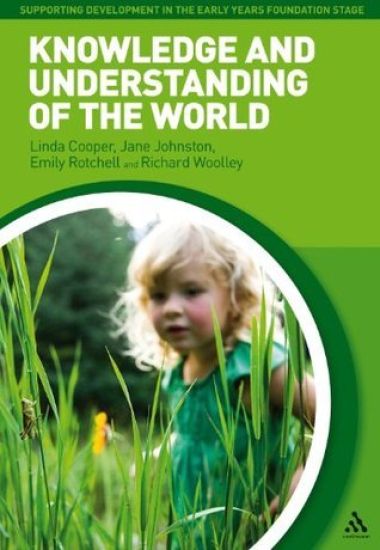
Knowledge and Understanding of the World
Linda Cooper; Jane Johnston; Emily Rotchell; Richard Woolley
Continuum Publishing Corporation
2011
nidottu
This is a complete guide to this area the Early Years Foundation Stage (EYFS), promoting a holistic approach and drawing on examples of good practice. "Knowledge and Understanding of the World" introduces this area of the Early Years Foundation Stage (EYFS) to trainee and qualified early years professionals. Teaching knowledge and understanding of the world to children aged between 0-5 years is introduced within the context of the EYFS. A balanced approach to the Early Learning Goals is encouraged ensuring that key principles of good early years practice are maintained and developed, and the holistic development of the child is promoted. This user-friendly guide will support early years professionals to: reflect on current practice and develop skills; evaluate the implications of research for early years practice and provision; promote interdisciplinary teamwork between those who work with and support young children; meet the diverse needs of children at different developmental stages and ages; and support children as they move within and beyond the EYFS. This series introduces each of the six areas of the Early Years Foundation Stage (EYFS): Personal, Social and Emotional Development; Language, Literacy and Communication; Problem Solving, Reasoning and Numeracy; Knowledge and Understanding of the World; Creative Development; and, Physical Development. Each book delivers accessible yet rigorous support for practitioners, whether training or qualified, in developing their professional understanding and practice in each of these Early Learning Goals. Whilst considering each area in turn, the aim throughout the series is to promote the holistic development of the child. Each volume includes: an introduction to the key area; consideration of the development of children in the key area from birth to 3 years, 3 to 5 years, and into 5 to 7 years; consideration of the holistic development of the child and the impact of that development on the key area being discussed; research evidence to support practice; practical examples of good practice; discussions on leadership in the key area; and, support in the development of pedagogical skills and reflective professional practice. In line with the aims of the EYFS, this series will help you in meeting the challenges that come with supporting the different needs of children, working in multi-professional partnerships, balancing the different areas of development, and supporting transitions within and beyond the EYFS.
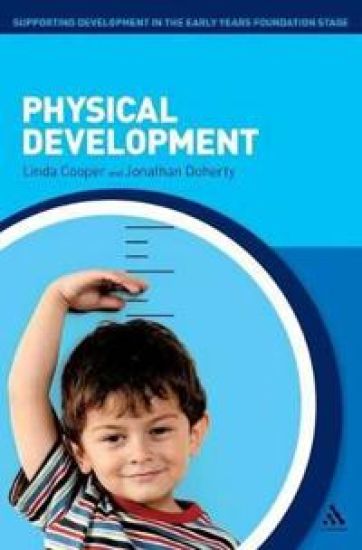
This is a complete guide to supporting physical development in the Early Years Foundation Stage (EYFS), promoting a holistic approach and drawing on examples of good practice. "Physical Development" introduces this area of the Early Years Foundation Stage (EYFS) to trainee and qualified early years professionals. The physical development of children aged between 0-5 years is introduced within the context of the EYFS. A balanced approach to the Early Learning Goals is encouraged ensuring that key principles of good early years practice are maintained and developed, and the holistic development of the child is promoted. This user-friendly guide will support early years professionals to: reflect on current practice and develop skills; evaluate the implications of research for early years practice and provision; promote interdisciplinary teamwork between those who work with and support young children; meet the diverse needs of children at different developmental stages and ages; and support children as they move within and beyond the EYFS. This series introduces each of the six areas of the Early Years Foundation Stage (EYFS): Personal, Social and Emotional Development; Language, Literacy and Communication; Problem Solving, Reasoning and Numeracy; Knowledge and Understanding of the World; Creative Development; and Physical Development. Each book delivers accessible yet rigorous support for practitioners, whether training or qualified, in developing their professional understanding and practice in each of these Early Learning Goals. Whilst considering each area in turn, the aim throughout the series is to promote the holistic development of the child. Each volume includes: an introduction to the key area; consideration of the development of children in the key area from birth to 3 years; 3 to 5 years; and into 5 to 7 years; consideration of the holistic development of the child and the impact of that development on the key area being discussed; research evidence to support practice; practical examples of good practice; discussions on leadership in the key area; and support in the development of pedagogical skills and reflective professional practice. In line with the aims of the EYFS, this series will help you in meeting the challenges that come with supporting the different needs of children, working in multi-professional partnerships, balancing the different areas of development, and supporting transitions within and beyond the EYFS.
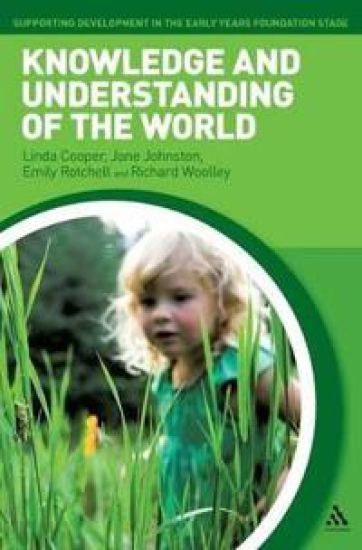
Knowledge and Understanding of the World
Linda Cooper; Jane Johnston; Emily Rotchell; Richard Woolley
Continuum Publishing Corporation
2011
sidottu
This is a complete guide to this area the Early Years Foundation Stage (EYFS), promoting a holistic approach and drawing on examples of good practice. "Knowledge and Understanding of the World" introduces this area of the Early Years Foundation Stage (EYFS) to trainee and qualified early years professionals. Teaching knowledge and understanding of the world to children aged between 0-5 years is introduced within the context of the EYFS. A balanced approach to the Early Learning Goals is encouraged ensuring that key principles of good early years practice are maintained and developed, and the holistic development of the child is promoted. This user-friendly guide will support early years professionals to: reflect on current practice and develop skills; evaluate the implications of research for early years practice and provision; promote interdisciplinary teamwork between those who work with and support young children; meet the diverse needs of children at different developmental stages and ages; and support children as they move within and beyond the EYFS. This series introduces each of the six areas of the Early Years Foundation Stage (EYFS): Personal, Social and Emotional Development; Language, Literacy and Communication; Problem Solving, Reasoning and Numeracy; Knowledge and Understanding of the World; Creative Development; and, Physical Development. Each book delivers accessible yet rigorous support for practitioners, whether training or qualified, in developing their professional understanding and practice in each of these Early Learning Goals. Whilst considering each area in turn, the aim throughout the series is to promote the holistic development of the child. Each volume includes: an introduction to the key area; consideration of the development of children in the key area from birth to 3 years, 3 to 5 years, and into 5 to 7 years; consideration of the holistic development of the child and the impact of that development on the key area being discussed; research evidence to support practice; practical examples of good practice; discussions on leadership in the key area; and, support in the development of pedagogical skills and reflective professional practice. In line with the aims of the EYFS, this series will help you in meeting the challenges that come with supporting the different needs of children, working in multi-professional partnerships, balancing the different areas of development, and supporting transitions within and beyond the EYFS.
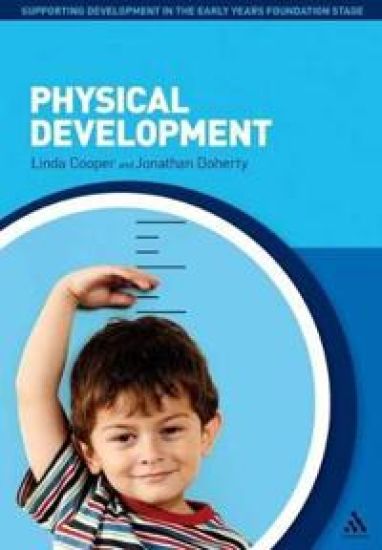
This is a complete guide to supporting physical development in the Early Years Foundation Stage (EYFS), promoting a holistic approach and drawing on examples of good practice. "Physical Development" introduces this area of the Early Years Foundation Stage (EYFS) to trainee and qualified early years professionals. The physical development of children aged between 0-5 years is introduced within the context of the EYFS. A balanced approach to the Early Learning Goals is encouraged ensuring that key principles of good early years practice are maintained and developed, and the holistic development of the child is promoted. This user-friendly guide will support early years professionals to: reflect on current practice and develop skills; evaluate the implications of research for early years practice and provision; promote interdisciplinary teamwork between those who work with and support young children; meet the diverse needs of children at different developmental stages and ages; and support children as they move within and beyond the EYFS. This series introduces each of the six areas of the Early Years Foundation Stage (EYFS): Personal, Social and Emotional Development; Language, Literacy and Communication; Problem Solving, Reasoning and Numeracy; Knowledge and Understanding of the World; Creative Development; and Physical Development. Each book delivers accessible yet rigorous support for practitioners, whether training or qualified, in developing their professional understanding and practice in each of these Early Learning Goals. Whilst considering each area in turn, the aim throughout the series is to promote the holistic development of the child. Each volume includes: an introduction to the key area; consideration of the development of children in the key area from birth to 3 years; 3 to 5 years; and into 5 to 7 years; consideration of the holistic development of the child and the impact of that development on the key area being discussed; research evidence to support practice; practical examples of good practice; discussions on leadership in the key area; and support in the development of pedagogical skills and reflective professional practice. In line with the aims of the EYFS, this series will help you in meeting the challenges that come with supporting the different needs of children, working in multi-professional partnerships, balancing the different areas of development, and supporting transitions within and beyond the EYFS.
Learning and Teaching with Interactive Whiteboards
David Barber; Linda Cooper; Graham Meeson
Learning Matters Ltd
2007
nidottu
Interactive Whiteboards (IWBs) are becoming increasingly common in schools and early years settings, and it is important for trainees to be equipped with the necessary skills and understanding to use them effectively to enhance learning. This book takes a thematic approach, examining all the key issues required to get the most out of this versatile learning technology. All chapters contain case studies from a range of subject areas and across the key stages, ensuring the text is rooted in the reality of the primary classroom and its curriculum.