Kirjojen hintavertailu. Mukana 12 595 353 kirjaa ja 12 kauppaa.

Kirjailija

Lindsay J. Whaley

Kirjat ja teokset yhdessä paikassa: 4 kirjaa, julkaisuja vuosilta 1997-2005, suosituimpien joukossa Saving Languages. Vertaile teosten hintoja ja tarkista saatavuus suomalaisista kirjakaupoista.

4 kirjaa

Kirjojen julkaisuhaarukka 1997-2005.

Saving Languages

Saving Languages

Lenore A. Grenoble; Lindsay J. Whaley

Cambridge University Press
2005
pokkari
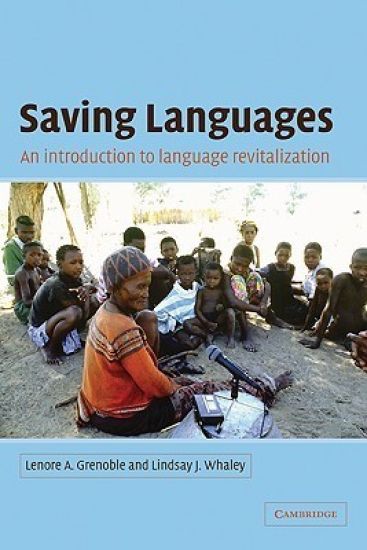
Language endangerment has been the focus of much attention and as a result, a wide range of people are working to revitalize and maintain local languages. This book serves as a general reference guide to language revitalization, written not only for linguists and anthropologists, but also for language activists and community members who believe they should ensure the future use of their languages, despite their predicted loss. Drawing extensively on case studies, it sets out the necessary background and highlights central issues such as literacy, policy decisions, and allocation of resources. Its primary goal is to provide the essential tools for a successful language revitalization program, such as setting and achieving realistic goals, and anticipating and resolving common obstacles. Clearly written and informative, Saving Languages will be an invaluable resource for all those interested in the fate of small language communities around the globe.
Saving Languages

Saving Languages

Lenore A. Grenoble; Lindsay J. Whaley

Cambridge University Press
2005
sidottu
Language endangerment has been the focus of much attention and as a result, a wide range of people are working to revitalize and maintain local languages. This book serves as a general reference guide to language revitalization, written not only for linguists and anthropologists, but also for language activists and community members who believe they should ensure the future use of their languages, despite their predicted loss. Drawing extensively on case studies, it sets out the necessary background and highlights central issues such as literacy, policy decisions, and allocation of resources. Its primary goal is to provide the essential tools for a successful language revitalization program, such as setting and achieving realistic goals, and anticipating and resolving common obstacles. Clearly written and informative, Saving Languages will be an invaluable resource for all those interested in the fate of small language communities around the globe.

Introduction to Typology

Introduction to Typology

Lindsay J. Whaley

SAGE Publications Inc
1997
sidottu
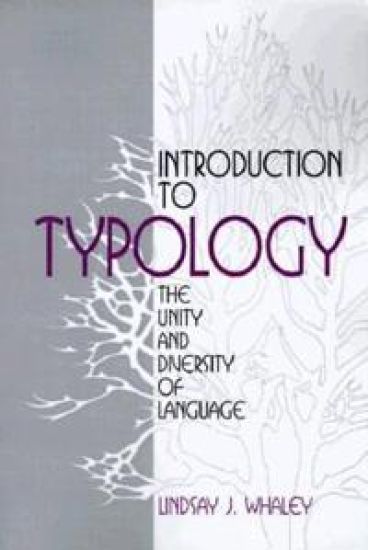
An overview of the major grammatical categories and constructions in the world's languages, Introduction to Typologyprovides a thorough and comprehensive coverage of typology in the areas of morphology and syntax, while underscoring the similarities and differences that underlie the vast array of human languages. Pedagogically sound, this introductory text includes a glossary and highlights and defines each new term as it appears. Each chapter concludes with a summary of new terminology and concepts as well as a list of additional, related readings. Introduction to Typology assumes neither prior knowledge of typology nor extensive background in linguistics, making it useful as a primary or supplementary text for a variety of courses, particularly those dealing with grammatical structure and linguistic universals.
Introduction to Typology

Introduction to Typology

Lindsay J. Whaley

SAGE Publications Inc
1997
nidottu
An overview of the major grammatical categories and constructions in the world's languages, Introduction to Typologyprovides a thorough and comprehensive coverage of typology in the areas of morphology and syntax, while underscoring the similarities and differences that underlie the vast array of human languages. Pedagogically sound, this introductory text includes a glossary and highlights and defines each new term as it appears. Each chapter concludes with a summary of new terminology and concepts as well as a list of additional, related readings. Introduction to Typology assumes neither prior knowledge of typology nor extensive background in linguistics, making it useful as a primary or supplementary text for a variety of courses, particularly those dealing with grammatical structure and linguistic universals.