Kirjojen hintavertailu. Mukana 12 390 323 kirjaa ja 12 kauppaa.

Kirjailija

Lindsay Pieper

Kirjat ja teokset yhdessä paikassa: 2 kirjaa, julkaisuja vuodelta 2016, suosituimpien joukossa Sex Testing. Vertaile teosten hintoja ja tarkista saatavuus suomalaisista kirjakaupoista.

2 kirjaa

Sex Testing

Sex Testing

Lindsay Pieper

University of Illinois Press
2016
sidottu
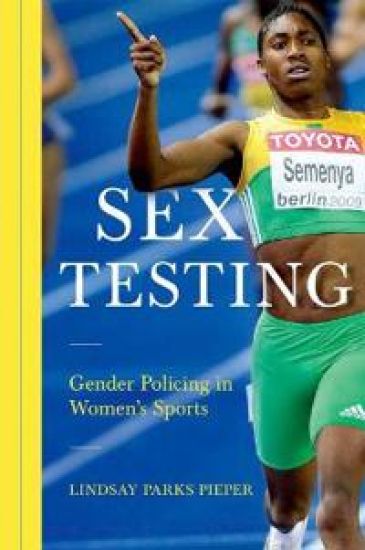
In 1968, the International Olympic Committee (IOC) implemented sex testing for female athletes at that year's Games. When it became clear that testing regimes failed to delineate a sex divide, the IOC began to test for gender--a shift that allowed the organization to control the very idea of womanhood. Ranging from Cold War tensions to gender anxiety to controversies around doping, Lindsay Parks Pieper explores sex testing in sport from the 1930s to the early 2000s. Pieper examines how the IOC in particular insisted on a misguided binary notion of gender that privileged Western norms. Testing evolved into a tool to identify--and eliminate--athletes the IOC deemed too strong, too fast, or too successful. Pieper shows how this system punished gifted women while hindering the development of women's athletics for decades. She also reveals how the flawed notions behind testing--ideas often sexist, racist, or ridiculous--degraded the very idea of female athleticism.
Sex Testing

Sex Testing

Lindsay Pieper

University of Illinois Press
2016
nidottu
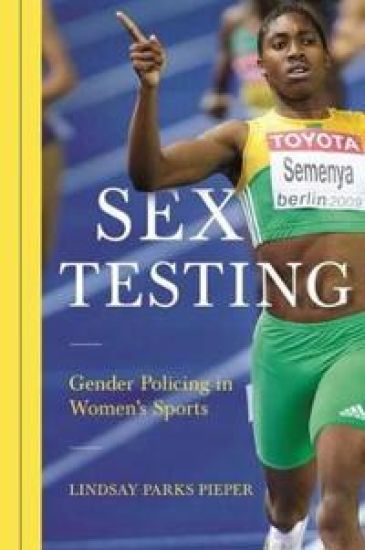
In 1968, the International Olympic Committee (IOC) implemented sex testing for female athletes at that year's Games. When it became clear that testing regimes failed to delineate a sex divide, the IOC began to test for gender--a shift that allowed the organization to control the very idea of womanhood. Ranging from Cold War tensions to gender anxiety to controversies around doping, Lindsay Parks Pieper explores sex testing in sport from the 1930s to the early 2000s. Pieper examines how the IOC in particular insisted on a misguided binary notion of gender that privileged Western norms. Testing evolved into a tool to identify--and eliminate--athletes the IOC deemed too strong, too fast, or too successful. Pieper shows how this system punished gifted women while hindering the development of women's athletics for decades. She also reveals how the flawed notions behind testing--ideas often sexist, racist, or ridiculous--degraded the very idea of female athleticism.