Kirjojen hintavertailu. Mukana 12 595 353 kirjaa ja 12 kauppaa.

Kirjailija

Lindy Woodrow

Kirjat ja teokset yhdessä paikassa: 8 kirjaa, julkaisuja vuosilta 2008-2022, suosituimpien joukossa Adaptive Second Language Learning. Vertaile teosten hintoja ja tarkista saatavuus suomalaisista kirjakaupoista.

8 kirjaa

Kirjojen julkaisuhaarukka 2008-2022.

Introducing Researching English for Specific Purposes
Introducing Researching English for Specific Purposes is an accessible and practical guide to research in ESP. It’s for novice researchers, graduate students and for ESP practitioners who want to do some research themselves. The author takes the reader step by step through the stages of research, starting with choosing a topic and reviewing the literature through to writing up research findings. Examples are taken from academic journals and dissertations to highlight aspects of the research process.The book covers the following areas: developing a research project research design theoretical approaches to ESP research choosing a research topic quantitative, qualitative and mixed methods in ESP research validity, reliability and ethics writing up research in ESPThe book includes recommendations for further reading and tasks. There is also a glossary and a chapter providing advice, templates and links to useful research sources.Introducing Researching English for Specific Purposes is essential reading for anyone wanting to conduct research in ESP.
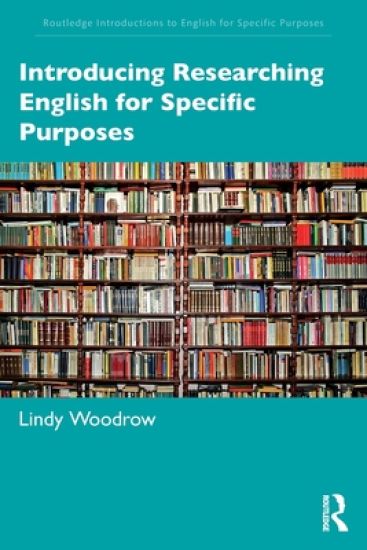
Introducing Researching English for Specific Purposes
Introducing Researching English for Specific Purposes is an accessible and practical guide to research in ESP. It’s for novice researchers, graduate students and for ESP practitioners who want to do some research themselves. The author takes the reader step by step through the stages of research, starting with choosing a topic and reviewing the literature through to writing up research findings. Examples are taken from academic journals and dissertations to highlight aspects of the research process.The book covers the following areas: developing a research project research design theoretical approaches to ESP research choosing a research topic quantitative, qualitative and mixed methods in ESP research validity, reliability and ethics writing up research in ESPThe book includes recommendations for further reading and tasks. There is also a glossary and a chapter providing advice, templates and links to useful research sources.Introducing Researching English for Specific Purposes is essential reading for anyone wanting to conduct research in ESP.
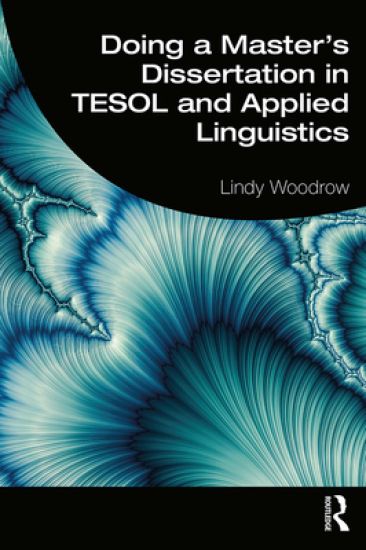
Doing a Master's Dissertation in TESOL and Applied Linguistics
Doing a Master’s Dissertation in TESOL and Applied Linguistics is a practical guide for master’s students tackling research and research writing for the first time. Structured for use in class or as part of an independent study, and divided into the four stages of designing, researching, writing up and submitting a dissertation, this book: carefully guides readers from the very beginning of producing a research proposal, all the way through to assessment procedures and the provisions for resubmission; covers publishing your dissertation and applying for higher research degrees, including funding; addresses all the most fundamental concerns students have about master’s dissertations, including how to choose a topic and conducting a literature review; draws upon examples from master’s dissertations from the UK, US and Australia and provides numerous ‘how-to’ tables and checklists; and includes activities and resources to facilitate master’s research and dissertation writing, as well as FAQs and solutions at the end of each chapter. Tailormade for MA students in TESOL or Applied Linguistics, this book is essential reading for students on these degrees around the world as well as for their supervisors and programme directors.
Doing a Master's Dissertation in TESOL and Applied Linguistics
Doing a Master’s Dissertation in TESOL and Applied Linguistics is a practical guide for master’s students tackling research and research writing for the first time. Structured for use in class or as part of an independent study, and divided into the four stages of designing, researching, writing up and submitting a dissertation, this book: carefully guides readers from the very beginning of producing a research proposal, all the way through to assessment procedures and the provisions for resubmission; covers publishing your dissertation and applying for higher research degrees, including funding; addresses all the most fundamental concerns students have about master’s dissertations, including how to choose a topic and conducting a literature review; draws upon examples from master’s dissertations from the UK, US and Australia and provides numerous ‘how-to’ tables and checklists; and includes activities and resources to facilitate master’s research and dissertation writing, as well as FAQs and solutions at the end of each chapter. Tailormade for MA students in TESOL or Applied Linguistics, this book is essential reading for students on these degrees around the world as well as for their supervisors and programme directors.
Introducing Course Design in English for Specific Purposes
Introducing Course Design in English for Specific Purposes is an accessible and practical introduction to the theory and practice of developing ESP courses across a range of disciplines. The book covers the development of courses from needs analysis to assessment and evaluation, and also comes with samples of authentic ESP courses provided by leading ESP practitioners from a range of subject and global contexts. Included in this book are: The basics of ESP course design The major current theoretical perspectives on ESP course design Tasks, reflections and glossary to help readers consolidate their understanding Resources for practical ESP course development Examples of authentic ESP courses in areas such as business, aviation and nursingIntroducing Course Design in English for Specific Purposes is essential reading for pre-service and in-service teachers, and students studying ESP and applied linguistics.
Introducing Course Design in English for Specific Purposes
Introducing Course Design in English for Specific Purposes is an accessible and practical introduction to the theory and practice of developing ESP courses across a range of disciplines. The book covers the development of courses from needs analysis to assessment and evaluation, and also comes with samples of authentic ESP courses provided by leading ESP practitioners from a range of subject and global contexts. Included in this book are: The basics of ESP course design The major current theoretical perspectives on ESP course design Tasks, reflections and glossary to help readers consolidate their understanding Resources for practical ESP course development Examples of authentic ESP courses in areas such as business, aviation and nursingIntroducing Course Design in English for Specific Purposes is essential reading for pre-service and in-service teachers, and students studying ESP and applied linguistics.
Teaching Academic Writing

Teaching Academic Writing

Brian Richard Paltridge; Lindy Woodrow; Lesley Harbon; Aek Phakiti; Huizhong Shen; Marie Stevenson; David Hirsh

The University of Michigan Press
2009
nidottu
How does academic writing vary between educational settings, disciplines, and cultures? How do different approaches to knowledge affect academic writing? Teaching Academic Writing combines research and practice to explore the questions that instructors may have about academic writing in the second language classroom. Whether for writing teachers new to the second language classroom or ESL teachers new to academic writing instruction, this textbook provides an accessible and detailed survey of the key issues and ideas that shape the teaching of academic writing to ESL students today. Chapters address a full range of critical topics, including the context and process of academic writing, needs analysis, teaching approaches, the interrelationship between writing and vocabulary, intercultural perspectives, feedback, and assessment. Each chapter includes Classroom Implications, tasks and techniques for teaching, and some possible exercises to use with students. Chapters begin with thought-provoking questions and end with a section designed to help users consider their own beliefs and classroom practices. This textbook also includes suggestions for practical resources that can be used in the academic writing classroom.