Kirjojen hintavertailu. Mukana 12 390 323 kirjaa ja 12 kauppaa.
Kirjailija
Linus Pauling
Kirjat ja teokset yhdessä paikassa: 10 kirjaa, julkaisuja vuosilta 1960-2018, suosituimpien joukossa A Lifelong Quest for Peace. Vertaile teosten hintoja ja tarkista saatavuus suomalaisista kirjakaupoista.
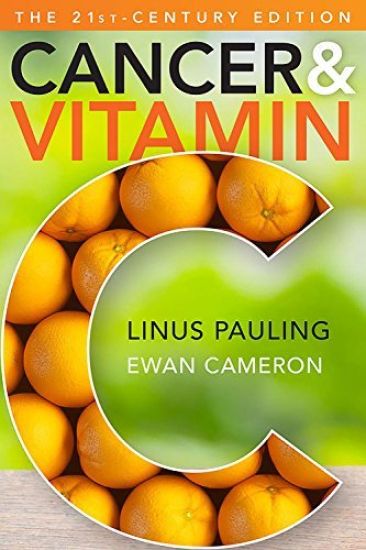
Camino Books is proud to announce the publication of an updated and expanded edition of Cancer and Vitamin C by Ewan Cameron and Linus Pauling with a preface by Stephen Lawson. This publication explains in plain language the nature and known causes of this disease, covering nearly all its different forms and their natural progression
""Molecular Structure and Biological Specificity"" is a scientific book written by Linus Pauling, a Nobel Prize-winning chemist. The book explores the relationship between molecular structure and biological specificity, focusing on the chemical basis of biological processes. It covers topics such as the nature of chemical bonds, the structure of proteins and nucleic acids, and the role of enzymes in catalyzing biochemical reactions. The book also delves into the principles of molecular genetics, including DNA replication and protein synthesis. Pauling's work in this book helped to establish the field of molecular biology and has been highly influential in the development of modern biochemistry. The book is written in a clear and accessible style, making it suitable for both students and researchers in the field of molecular biology.Contributing Authors Include David Pressman, Felix Haurowitz, Jerrold M. Yos And Many Others. A Symposium Sponsored By The Office Of Naval Research And Arranged By The American Institute Of Biological Science Held In Washington D. C., October 28-29, 1955.This scarce antiquarian book is a facsimile reprint of the old original and may contain some imperfections such as library marks and notations. Because we believe this work is culturally important, we have made it available as part of our commitment for protecting, preserving, and promoting the world's literature in affordable, high quality, modern editions, that are true to their original work.
Linus Pauling is celebrated as one of the greatest scientific minds of the last century, whose decisive contributions to an astonishing diversity of fields - including organic and inorganic chemistry, quantum mechanics, molecular biology and medicine - still remain in many respects definitive. Pauling was additionally a tireless campaigner against the perils of nuclear conflict, and his contributions to both science and peace were recognized by the award to him of two separate Nobel Prizes. In this philosophically broad and sinewy book, he engages in complementary discussion with Daisaku Ikeda, President of Soka Gakkai - and another tireless champion for peace and dialogue.Showcasing the central ideas and fundamental values of two of the leading pacifist minds of recent times, "A Lifelong Quest for Peace" ranges over such perennially critical themes as ethics and technology, the appropriate use to which science should be put, the nature of morality and the human quest for progress, justice and equality. Both richly anecdotal and warmly engaging, the discussions offer fascinating insights into and recollections from the interlocutors' early lives and subsequent careers. Pauling and Ikeda thereby demonstrate through warm personal example the essential and lasting value of constructive conversation between people of different backgrounds and contrasting cultures.
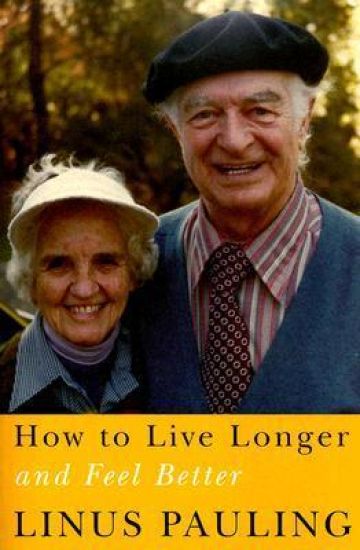
The OSU Press is proud to introduce Linus Pauling's How to Live Longer and Feel Better to a new generation of readers interested in achieving excellent health. A New York Times bestseller when it was first published in 1986, Pauling's seminal work proposes taking vitamins and minerals to prevent disease and live a long life. Eminently readable and challenging on many levels, the book compiled for a popular audience a generation of scientific knowledge and helped to revolutionize the way Americans think about nutrition.Pauling's simple, inexpensive plan suggests avoiding sugar, stress, and smoking; working in a job that you like; and being happy with your family. To avoid serious illness and enjoy a longer life, he recommends taking vitamins for optimal health and as insurance against disease.Pauling greatly influenced subsequent research regarding the role of nutrition in healthy living, coining the term ""orthomolecular medicine"" to describe the practice of using vitamins and other substances normally present in the body to improve health and fight viruses, cancer, cardiovascular disease, allergies, arthritis, and other illnesses. Since 1986 the scientific community has paid renewed attention to the field of nutrition; clinical and longevity studies have examined the links between vitamin C and health, for example. Some of Pauling's findings have been challenged, but the essential tenets of his thesis on the importance of nutritional supplements remain undisputed.A new historical introduction by Melinda Gormley details Pauling's life and his fascinating intellectual growth, from his formative years as a molecular chemist to his peace activism and his later interest in nutrition. His extraordinary ability to cross disciplinary boundaries (specifically, using his knowledge of molecular structure to rethink the role of micronutrients in disease) combined with his accessible writing for a lay audience, make How to Live Longer and Feel Better a classic. This new edition includes information on additional resources from the Linus Pauling Institute at Oregon State University.Whether one reads Pauling's book for his prescription for healthy living, for an understanding of his impact on nutritional science today, or for its historical importance, one cannot escape the conclusion that diet and lifestyle are the key to disease prevention.
This widely adopted undergraduate-level text applies quantum mechanics to a broad range of chemical and physical problems, covering such subjects as wave functions for the hydrogen atom, perturbation theory, the Pauli exclusion principle, and the structure of simple and complex molecules. Numerous tables and figures.
Extensive revised and updated third edition of classic first-year text by Nobel Laureate. Atomic and molecular structure, quantum mechanics, statistical mechanics, thermodynamics correlated with descriptive chemistry. Problems. 75 pages of appendixes. Hailed by Choice as "an excellent text, highly recommended."
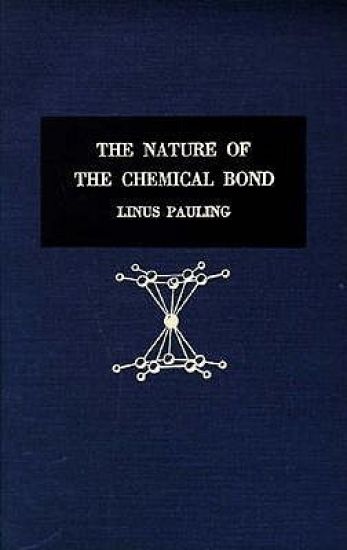
The Nature of the Chemical Bond provides a general treatment, essentially nonmathematical, of present (as of 1960) knowledge about the structure of molecules and crystals and the nature of the chemical bond. Among the new features in the third edition are a detailed resonating-valence-bond theory of electron-deficient substances, such as the boranes and ferrocene; a chemical theory of the electronic structure of metals and intermetallic compounds; a discussion of the role of the hydrogen bond in the structures of proteins and nucleic acids; the electroneutrality principle; and other new principles of molecular structure.