Kirjailija
Lisa Isherwood
Kirjat ja teokset yhdessä paikassa: 15 kirjaa, julkaisuja vuosilta 1998-2025, suosituimpien joukossa Introducing Body Theology. Vertaile teosten hintoja ja tarkista saatavuus suomalaisista kirjakaupoista.
15 kirjaa
Kirjojen julkaisuhaarukka 1998-2025.
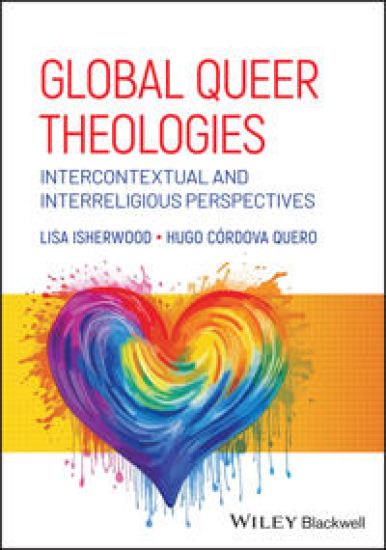
Presents a groundbreaking global exploration of queer theologies across religions, regions, and spiritual traditions Global Queer Theologies: Intercontextual and Interreligious Perspectives is an essential and timely resource for those seeking a comprehensive understanding of queer theologies as they emerge and evolve within diverse cultural, regional, and religious frameworks. While much of queer theological discourse has historically centered on the Global North and Christian traditions, this landmark volume decisively expands the conversation, drawing on multilingual scholarship and diverse lived experiences to illuminate the theological expressions of queer believers across global contexts. Demonstrating how queer communities actively reinterpret sacred texts and spiritual practices, the text serves not only as an introduction to queer theological thought but also as a teaching tool designed to foster inclusive classroom engagement. Structured for clarity and pedagogical effectiveness, each chapter presents a focused exploration of a religious tradition or theme, complemented by visual aids and discussion prompts that encourage critical reflection and dialogue. The contributing authors map the rich, complex intersections of faith, sexuality, and identity, amplify voices long silenced or overlooked, and illuminate the sacred narratives of queer believers from across the globe. Bridging theory with lived experience, emphasizing theological agency in marginalized contexts, Global Queer Theologies: Intercontextual and Interreligious Perspectives: Includes analysis of underexplored spiritual systems such as Shinto, Confucianism, paganism, and ancestral religionsEmploys a thematic and regional organizational structure that engages readers with both theory and practiceIncorporates glossaries for enhanced clarity and reader accessibility in each section and original diagrams and graphics that map religious structures and spiritual genealogies throughoutFeatures highlight boxes within chapters that introduce key thinkers, terms, and movements without disrupting the narrative flowContains discussion questions at the end of each chapter to support student reflection and faculty-led dialogue The first volume of its kind to offer truly global coverage of queer theologies across major and minor religious traditions, Global Queer Theologies: Intercontextual and Interreligious Perspectives is ideal for upper-level undergraduate and graduate students in theology, religious studies, gender studies, and queer theory.

The DARE Primer on Global Queer Theologies
Lisa Isherwood; Hugo Córdova Quero
SCM PRESS
2025
nidottu
The "DARE Primer on Global Queer Theologies" offers a radical redefinition of academic discourse and spiritual praxis through the lens of queer Christian theologians from around the world. This groundbreaking volume features contributions from scholars across Malaysia, Rwanda, India, the USA, the UK, Colombia, Nigeria, Mexico, and El Salvador, each bringing a unique perspective to the forefront of theological study. Engaging with systematic theology, pastoral care, missiology, ritual, liturgical experiences, and spirituality, these theologians illuminate the transformative impact of queer theologies on traditional religious frameworks. At its core, the book delves deeply into the nuanced interplay between faith and sexuality, unraveling the intricate beliefs that shape the lives of queer believers. The contributors' profound reflections offer a rich tapestry of insights, demonstrating how queer theologies not only challenge but actively reshape contemporary theological understanding, religious practice, and missionary work. This work is indispensable for scholars and practitioners seeking to grasp the radical and far-reaching implications of queer theologies in a global context.
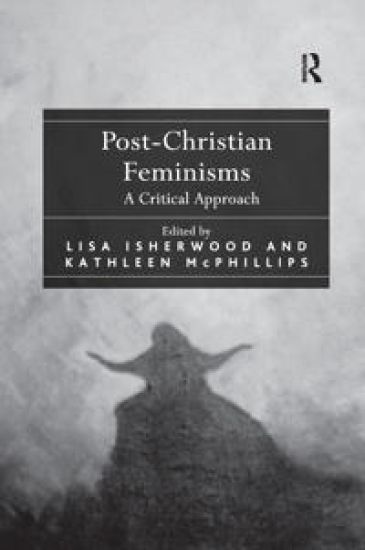
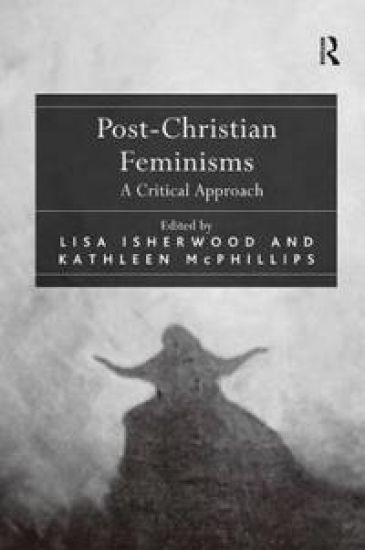
This book explores the impact and contribution of post-theories in the field of Christian feminist theology. Post-theory is an important and cutting-edge discursive field which has revolutionized the production of knowledge in both feminism and theology. This book fills a gap by providing a text that can make authoritative statements on the use and status of post-theory in feminist theology, and secondly it makes an on-going contribution to the discourse of Christian feminist theology and its liberation agenda. Distinguished and established scholars contribute conclusive essays on the most recent and exciting developments in post-theory, feminism and theology.
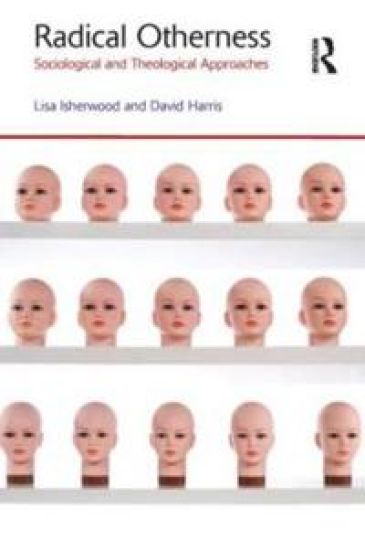
The problem of otherness is central to debates in both the social sciences and theology. To define the other – by colour, gender, politics, nationality, or religion – is to define the self. Othering has been used through history as a justification for boundary-setting, for conflict and for oppression. Radical Otherness presents a broad overview of otherness in both sociology and theology. The book reveals how social theory can illuminate many contemporary issues in theology, whilst the examination of theological methods can shed light on problematic issues in sociology. The discussion of issues in Radical Otherness moves from the personal to the political, to the hermeneutic, to the ultimate otherness of metaphysics. At each stage, discussion of theory is grounded in concrete examples. The book offers students of ethics, theology, and sociology of religion a clear and engaged assessment of otherness, and opens up new ways for investigating a concept central to the study of both religion and society.
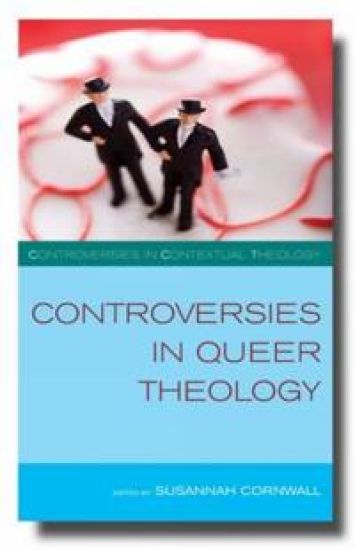
Queer theology is a significant new development and central to much current teaching and thinking about gender, sexuality and the body. Controversies in Queer Theology provides an overview of the main areas of difference and debate in queer theologies, engaging with and critiquing all the major writers working in this area. Susannah Cornwall shows how this field is still in flux and the highlights implications for employing queer methodologies across theological work.
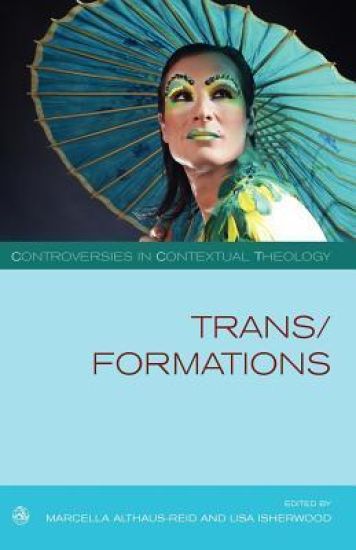
Trans/formations is a new addition to "SCM's Controversies in Contextual Theology" series. Like anything coming from Marcella Althaus-Reid and Lisa Isherwood, it is controversial and challenging as well as highly original. The book will: make visible a range of trans lived experience [transgendered and transsexual], offer theological reflection on these experiences, create challenging theology from this experiential base, and provide a resource for churches and theology students not to date available. It includes an excellent range of contributors, including Elizabeth Stuart and Virginia Ramey Mollenkott. This is a valuable addition to reading lists of courses on religion, gender and the body.
This book explores the impact and contribution of post-theories in the field of Christian feminist theology. Post-theory is an important and cutting-edge discursive field which has revolutionized the production of knowledge in both feminism and theology. This book fills a gap by providing a text that can make authoritative statements on the use and status of post-theory in feminist theology, and secondly it makes an on-going contribution to the discourse of Christian feminist theology and its liberation agenda. Distinguished and established scholars contribute conclusive essays on the most recent and exciting developments in post-theory, feminism and theology.
Weep Not for Your Children
Lisa Isherwood; Rosemary Radford Ruether
Equinox Publishing Ltd
2008
nidottu
Violence remains endemic in today's society. Religious morality and social prejudice can lead to many acts of violence going unnoticed. 'Weep Not for Your Children' presents a selection of essays that examine the ways in which religion and violence interconnect. The presence of violence in the origins of cultural and religious norms is examined. The essays cover a wide range of examples of violence: from the Holocaust to domestic violence and from the violence created by economic systems to that created by the construction of gender itself. 'Weep Not for Your Children' challenges and provokes the reader to think beyond traditional associations of good and evil.
Weep Not for Your Children
Lisa Isherwood; Rosemary Radford Ruether
Equinox Publishing Ltd
2008
sidottu
Violence remains endemic in today's society. Religious morality and social prejudice can lead to many acts of violence going unnoticed. 'Weep Not for Your Children' presents a selection of essays that examine the ways in which religion and violence interconnect. The presence of violence in the origins of cultural and religious norms is examined. The essays cover a wide range of examples of violence: from the Holocaust to domestic violence and from the violence created by economic systems to that created by the construction of gender itself. 'Weep Not for Your Children' challenges and provokes the reader to think beyond traditional associations of good and evil.
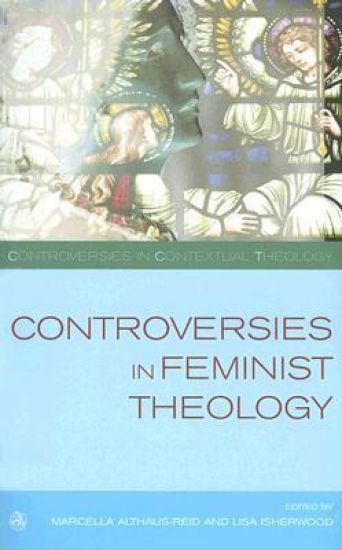
Controversies in Feminist Theologies is a clear and accessible analysis of the current controversies within feminist theologies. It uses many of the themes of systematic theology to examine whether feminist theology has a future or whether its discourse and praxis has become bankrupt. The authors expand this question through an examination of whether the whole project of systematic theology has become outmoded. The book is the first to expose the myth of homogeneity and some of the common stereotypes and myths surrounding Feminist Theologies, from a methodological and thematic perspective. It addresses current stereotypes built around North Atlantic and Third World feminist theology, including issues concerning Mariology, the use of the Bible and the centrality of women's experiences in feminist praxis, while highlighting the richness of different and at times opposite positions in the debates of theology, gender and sexuality.
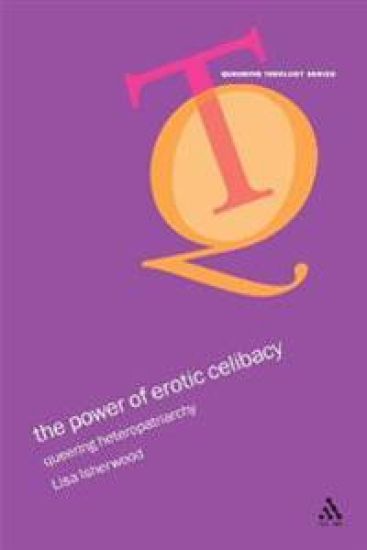
In the newest volume in the "Queering Theology" series, Lisa Isherwood examines the significance that celibacy may hold in the new millennium. She begins by considering the female body, how it has been used to underpin exploitative social systems, and how Christianity has tried to control the bodies of women through regulations about the female body. As part of this discussion, she looks at the work of Douglas, Foucault, Synnott, Butler, Braidotti, and others, in the area of 'body politics'. Isherwood argues that women have used celibacy to subvert the patriarchal system, and create space in which to flourish. Through a consideration of the work of McNamara, Ruether, Schussler-Fiorenza, Kitch, and others, she shows how women from Shakers and Beguines to cloistered sisters and feisty housewives claimed the gospel of equality through celibacy and in so doing impacted on their world. She considers the possibilities of reframing celibacy in the light of queer theory and radical theology, before going on to ask the questions: how do queer theory and radical theology shape our understanding of celibacy in the new millennium? How do we develop a concept of erotic celibacy that is both personally sexually fulfilling and allows the bodies of women to be sites of resistance to patriarchy? How can such a way of living be called queer? Ultimately, Isherwood shows that being erotically celibate challenges patriarchal society, and opens up new theological understanding.
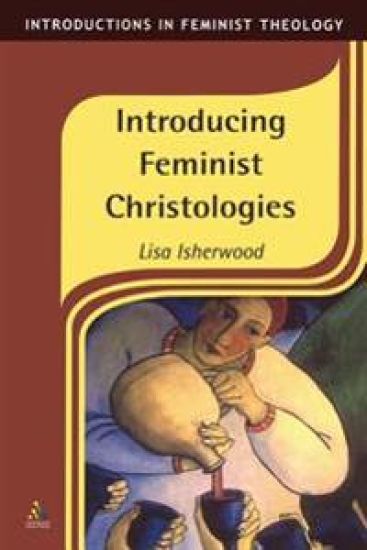
Introducing Feminist Christologies
Lisa Isherwood
Continuum International Publishing Group Ltd.
2002
nidottu
This book explores and interacts with the wide range of feminist christologies that we see across the globe. The feminist critique of religion and theology has yielded many outcomes in relation to the person of Jesus who moves from being the once and for all saviour of the world to lover, friend, ground of being or shaman amongst other things. The book considers whether there will be a place for christology in future feminist engagement with theology.
Introducing Feminist Theology
Lisa Isherwood; Dorothea McEwan
Continuum International Publishing Group Ltd.
2001
nidottu
The second edition of this popular book has been updated and provided with a new Preface and bibliography, ensuring that it remains an indispensable introduction to feminist theology. The second edition of this highly popular Introduction includes a new preface and each chapter has been revised to keep it as up-to-date as possible. 'Introducing Feminist Theolog'y remains a lively and stimulating 'first read' for anyone embarking on feminist theology, as well as a first rate resource for those wishing to refresh their acquiantaince with it. Despite claims in some quarters that 'feminism' has been surpassed by 'gender' this book explains how vital a feminist agenda remains, and how much is still to be done, both at the theological and the practical level, to transform Christianity from two centuries of male-gendered discourse and ecclesiastical structure into a religion that adequately reflects the life of modern women.
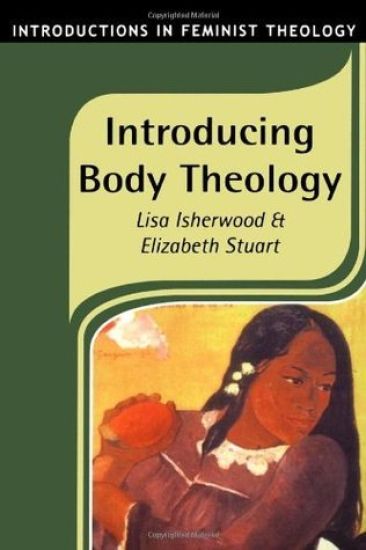
This book sets out to examine the ambigous relationship that Christianity has with the body. Incarnation is central to Christian belief but that doctrine has not encouraged a positive theology of the body. The authors explore why this has been so and examine ways in which a more bosy-positive theology can be developed using our Christian heritage. Starting from a feminist perspective they reclaim women's bodies from the embrace of patriarchy and in doing so clearly show how this reclamation challenges many systems of opression. This work illustrates that the personal is political, even in therology! Lisa Isherwood is Senior Lecturer in Theology at the University College of St Mark and St John, Plymouth. Elizabeth Stuart is Professor of Christian Theology at King Alfred's College, Winchester.