Kirjojen hintavertailu. Mukana 12 454 614 kirjaa ja 12 kauppaa.

Kirjailija

Lisa Trahair

Kirjat ja teokset yhdessä paikassa: 3 kirjaa, julkaisuja vuosilta 2007-2020, suosituimpien joukossa The Comedy of Philosophy. Vertaile teosten hintoja ja tarkista saatavuus suomalaisista kirjakaupoista.

3 kirjaa

Kirjojen julkaisuhaarukka 2007-2020.

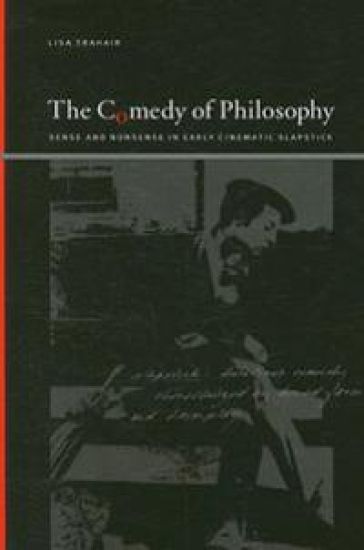
The Comedy of Philosophy

The Comedy of Philosophy

Lisa Trahair

State University of New York Press
2008
pokkari
Melds philosophical analysis with early cinematic history to develop a fresh theory of the notion of comedy. The Comedy of Philosophy brings modern debates in continental philosophy to bear on the historical study of early cinematic comedy. Through the films of Mack Sennett, Buster Keaton, Charlie Chaplin, Harold Lloyd, and the Marx Brothers, Lisa Trahair investigates early cinema's exploration of sense and nonsense by utilizing the contributions to the philosophy of comedy made by Freud and Bataille and by examining significant poststructuralist interpretations of their work. Trahair explores the shift from the excessive physical slapstick of the Mack Sennett era to the so-called structural comedy of the 1920s, and also offers a new perspective on the importance of psychoanalysis for the study of film by focusing on the implications of Freud's theory of the unconscious for our understanding of visuality.
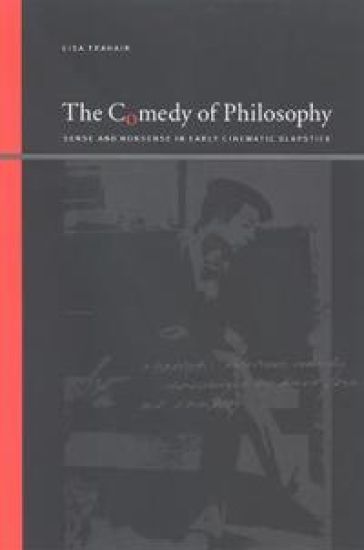
The Comedy of Philosophy

The Comedy of Philosophy

Lisa Trahair

State University of New York Press
2007
sidottu
Melds philosophical analysis with early cinematic history to develop a fresh theory of the notion of comedy. The Comedy of Philosophy brings modern debates in continental philosophy to bear on the historical study of early cinematic comedy. Through the films of Mack Sennett, Buster Keaton, Charlie Chaplin, Harold Lloyd, and the Marx Brothers, Lisa Trahair investigates early cinema's exploration of sense and nonsense by utilizing the contributions to the philosophy of comedy made by Freud and Bataille and by examining significant poststructuralist interpretations of their work. Trahair explores the shift from the excessive physical slapstick of the Mack Sennett era to the so-called structural comedy of the 1920s, and also offers a new perspective on the importance of psychoanalysis for the study of film by focusing on the implications of Freud's theory of the unconscious for our understanding of visuality.