
Kirjailija
Liz Walker
Kirjat ja teokset yhdessä paikassa: 7 kirjaa, julkaisuja vuosilta 2015-2025, suosituimpien joukossa No One Left Alone. Vertaile teosten hintoja ja tarkista saatavuus suomalaisista kirjakaupoista.
7 kirjaa
Kirjojen julkaisuhaarukka 2015-2025.


Jordan, Anika, Ben and Katy are happy to find out that their teacher is taking them on a school trip to a nature trail. They are even more excited when they discover a prize is to be awarded for the most interesting thing found. Determined to win the prize, the four friends decide to follow an unknown path deep into an enormous forest. The path leads them to the strangest tree they have ever seen. Not only is it rainbow colored, with silver leaves, but the trunk feels soft and spongy When some of the bark falls off, the children take it, thinking it will win them the prize from their teacher. Yet, they get more than what they bargained for when they discover that the bark has given them new, amazing super powers Suddenly Jordan can become invisible, Anika can fly, Ben has super strength and Katy can move objects with her mind. The children are delighted But what will they do with these new superpowers?And more importantly, will they use them for good or for mischief...? This is the first book in an exciting series that will delight all children and stir their imaginations. Readers will enjoy the fun and adventurous spirits of the characters and will be excited to follow them all on their superpower journeys. These magical stories will keep children reading to find out what happens next
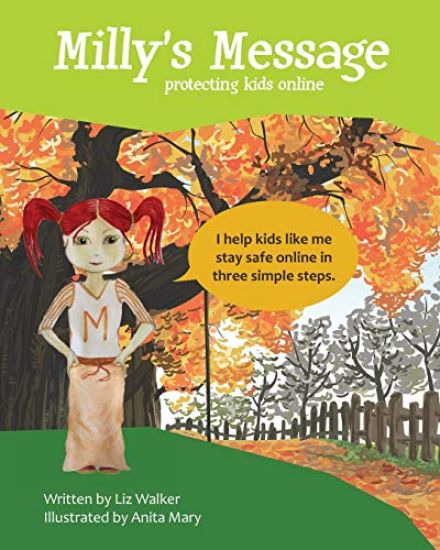
Milly loves to explore and learn. One day at school, someone shows Milly a movie on a phone that makes her feel sick. Milly was lucky to have a safe adult help her through this experience and now she teaches children that some adult behaviours can be harmful for kids to see. Written with safe language for children aged 5-10-years, Milly Message is the perfect way to let young kids know that coming across these images is not their fault and they can always seek help from an adult when they see things that are not meant for kids eyes.

Whilst the body has recently assumed greater sociological significance, there has been less engagement in social work and social care on the bodily experience of health, illness and disease. This innovative volume redresses the balance by exploring chronic illness and social work, through the specific lens of autoimmunity, engaging in wider debates around vulnerability, resistance and the lived experience of ongoing ill-health.Moving beyond existing conceptualisations of vulnerability as an issue of mental distress, ageing, child protection and poverty, Price and Walker demonstrate the role that society has to play in actively engaging the physical body, rather than working around and through it. The book focuses on auto-immune conditions such as lupus, multiple sclerosis, rheumatoid arthritis and scleroderma. Conditions like these allow for an exploration of the materiality of illness which exacerbates social and economic vulnerability and may precipitate personal and social crises, requiring a variety of interventions and support. The risks and challenges associated with chronic illness include disruptions to a sense of self and identity, altered relationships and the renegotiation of roles and responsibilities in a variety of relationships in addition to an economic impact, with the potential for disruption to employment status and financial insecurity. This text opens up a range of debates around some of the central concerns of the social work profession, including vulnerability, ill-health, and independence. It will be of interest to scholars and students of social work, nursing, disability studies, medicine and the social sciences.
Whilst the body has recently assumed greater sociological significance, there has been less engagement in social work and social care on the bodily experience of health, illness and disease. This innovative volume redresses the balance by exploring chronic illness and social work, through the specific lens of autoimmunity, engaging in wider debates around vulnerability, resistance and the lived experience of ongoing ill-health.Moving beyond existing conceptualisations of vulnerability as an issue of mental distress, ageing, child protection and poverty, Price and Walker demonstrate the role that society has to play in actively engaging the physical body, rather than working around and through it. The book focuses on auto-immune conditions such as lupus, multiple sclerosis, rheumatoid arthritis and scleroderma. Conditions like these allow for an exploration of the materiality of illness which exacerbates social and economic vulnerability and may precipitate personal and social crises, requiring a variety of interventions and support. The risks and challenges associated with chronic illness include disruptions to a sense of self and identity, altered relationships and the renegotiation of roles and responsibilities in a variety of relationships in addition to an economic impact, with the potential for disruption to employment status and financial insecurity. This text opens up a range of debates around some of the central concerns of the social work profession, including vulnerability, ill-health, and independence. It will be of interest to scholars and students of social work, nursing, disability studies, medicine and the social sciences.