Kirjojen hintavertailu. Mukana 12 595 353 kirjaa ja 12 kauppaa.

Kirjailija

Lloyd Llewellyn-Jones

Kirjat ja teokset yhdessä paikassa: 25 kirjaa, julkaisuja vuosilta 2003-2027, suosituimpien joukossa The Culture of Animals in Antiquity. Vertaile teosten hintoja ja tarkista saatavuus suomalaisista kirjakaupoista.

25 kirjaa

Kirjojen julkaisuhaarukka 2003-2027.

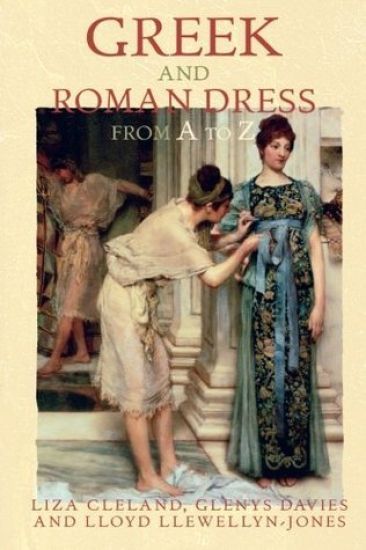
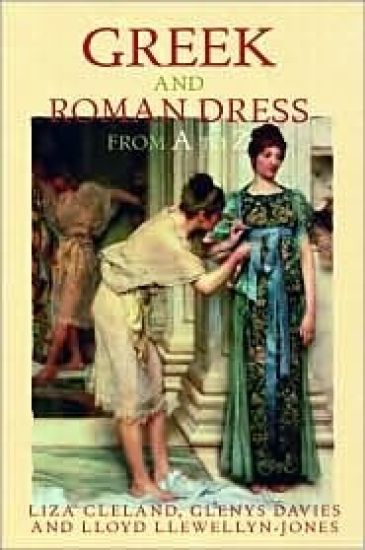
Greek and Roman Dress from A to Z

Greek and Roman Dress from A to Z

Lloyd Llewellyn-Jones; Glenys Davies

Routledge
2012
nidottu
Who dressed as a woman in an attempt to commit adultery with Julius Caesar‘s wife? How did the ancient Greeks make blusher from seaweed? Just how does one wear a toga? If, as many claim, the importance of clothes lies in their detail, then this a book that no sartorially savvy Classicist should be without. Greek and Roman Dress from A to Z is an alphabetized compendium of styles and accessories that form the well-known classical image: a reference source of stitches, drapery, hairstyles, colours, fabrics and jewellery, and an analysis of the intricate system of social meanings that they comprise. The entries range in length from a few lines to a few pages and cover individual aspects of dress alongside surveys of wider topics and illuminating socio-cultural analysis, drawn from ancient art, literature and archaeology. For those who want to take their reading further, there are references to both primary sources and modern scholarship. This book is be fascinating for anyone delving into it with an interest in style and dress, and an invaluable companion for any classicist.
Ctesias' 'History of Persia'

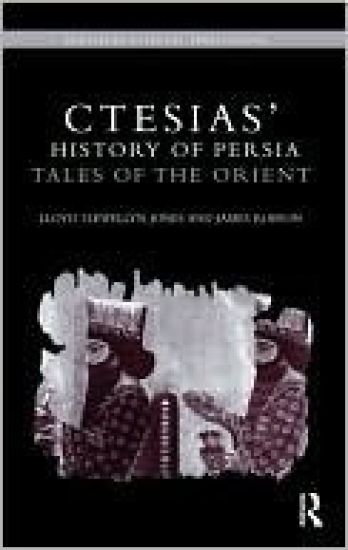
Ctesias' 'History of Persia'

Lloyd Llewellyn-Jones; James Robson

Routledge
2009
sidottu
Towards the end of the fifth century BC Ctesias of Cnidus wrote his 23 book History of Persia. Ctesias is a remarkable figure: he lived and worked in the Persian court and, as a doctor, tended to the world’s most powerful kings and queens. His position gave him special insight into the workings of Persian court life and access to the gossip and scandal surrounding Persian history and court politics, past and present. His History of Persia was completed at a time when the Greeks were fascinated by Persia and seems very much to cater to contemporary interest in Persian wealth and opulence, powerful Persian women, the institution of the harem, kings and queens, eunuchs and secret plots. Presented here in English translation for the first time with commentaries, Ctesias offers a fascinating insight into Persia in the fifth century BC.
Greek and Roman Dress from A to Z

Greek and Roman Dress from A to Z

Lloyd Llewellyn-Jones; Glenys Davies

Routledge
2007
sidottu
Who dressed as a woman in an attempt to commit adultery with Julius Caesar‘s wife? How did the ancient Greeks make blusher from seaweed? Just how does one wear a toga? If, as many claim, the importance of clothes lies in their detail, then this a book that no sartorially savvy Classicist should be without. Greek and Roman Dress from A to Z is an alphabetized compendium of styles and accessories that form the well-known classical image: a reference source of stitches, drapery, hairstyles, colours, fabrics and jewellery, and an analysis of the intricate system of social meanings that they comprise. The entries range in length from a few lines to a few pages and cover individual aspects of dress alongside surveys of wider topics and illuminating socio-cultural analysis, drawn from ancient art, literature and archaeology. For those who want to take their reading further, there are references to both primary sources and modern scholarship. This book is be fascinating for anyone delving into it with an interest in style and dress, and an invaluable companion for any classicist.
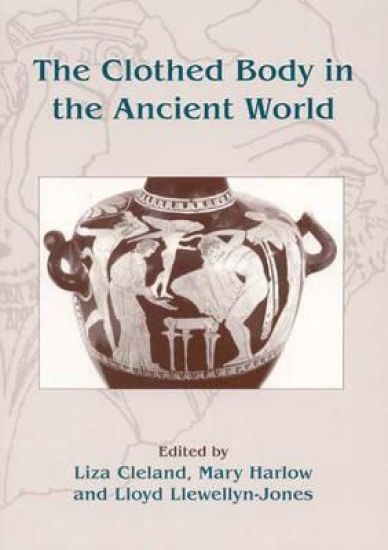
The Clothed Body in the Ancient World

The Clothed Body in the Ancient World

Liza Cleland; Mary Harlow; Lloyd Llewellyn-Jones

Oxbow Books
2005
nidottu
The recent renaissance of interest in the history of dress and its cultural importance is celebrated in this collection of interdisciplinary essays. The sixteen contributors present on-going research into the study of the clothed body in ancient Egypt and the Aegean, Classical Greece, Rome and Late Antiquity. Through literary and artistic evidence and film, they discuss how dress articulates and defines an individual within his or her given society, at the same time highlighting common themes in scholarship, methodological differences between disciplines and periods, as well as contrasting definitions of what constitutes the clothed body. Essays discussing Aegean Bronze Age fashions, costume design in filmed biblical epics, clothing in Aristophanic comedy, Greek and Roman female undergarments, the symbolism of the Roman toga, and the spectacle of images of Byzantine dress, are just some of the diverse subjects covered in this study.
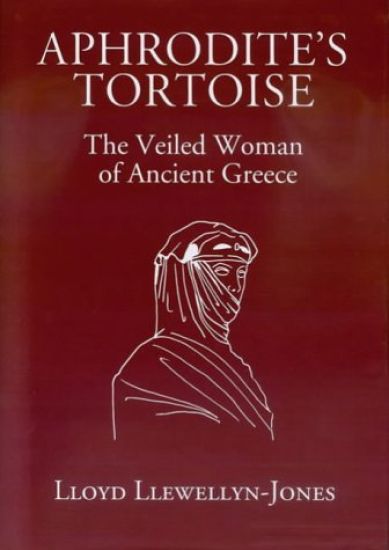
Aphrodite's Tortoise

Aphrodite's Tortoise

Lloyd Llewellyn-Jones

Classical Press of Wales
2003
sidottu
Greek women routinely wore the veil. That is the unexpected finding of this major study. The Greeks, rightly credited with the invention of civic openness, are revealed as also part of a more eastern tradition of seclusion. From the iconography as well as the literature of Greece, Lloyd Llewellyn-Jones shows that full veiling of face and head was commonplace. He analyses the elaborate Greek vocabulary for veiling, and explores what the veil was meant to achieve. He also uses Greek and more recent - mainly Islamic - evidence to show how women could exploit and subvert the veil to achieve eloquent, sometimes emotional, communication.