Kirjojen hintavertailu. Mukana 12 459 402 kirjaa ja 12 kauppaa.

Kirjailija

Lotte Hughes

Kirjat ja teokset yhdessä paikassa: 3 kirjaa, julkaisuja vuosilta 2007-2019, suosituimpien joukossa Environment and Empire. Vertaile teosten hintoja ja tarkista saatavuus suomalaisista kirjakaupoista.

3 kirjaa

Kirjojen julkaisuhaarukka 2007-2019.

Managing Heritage, Making Peace

Managing Heritage, Making Peace

Annie E. Coombes; Lotte Hughes; Karega Munene

I.B. Tauris
2019
nidottu
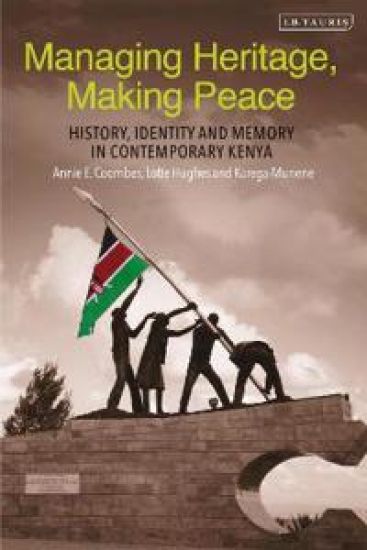
Kenya stands at a crossroads in its history and heritage, as the nation celebrates its fiftieth anniversary of independence from Britain in 2013. At this important juncture, what parts of its history, including the Mau Mau uprising, do citizens and state wish to remember and commemorate and what is best forgotten or occluded? What does heritage mean to ordinary Kenyans, and what role does it play in building nationhood and forging peace and reconciliation? Focusing on the 1990s to the present, "Managing Heritage, Making Peace" is a timely exploration of the ways in which Kenyans are engaging with the past in the present, including such local initiatives as the community peace museums movement, local and national monuments and other notable commemorative actions. The authors show how Kenya is facing a continuing crisis over nationhood, heritage, memory and identity, which must be resolved to achieve social cohesion and peace.
Environment and Empire

Environment and Empire

William Beinart; Lotte Hughes

Oxford University Press
2009
nidottu
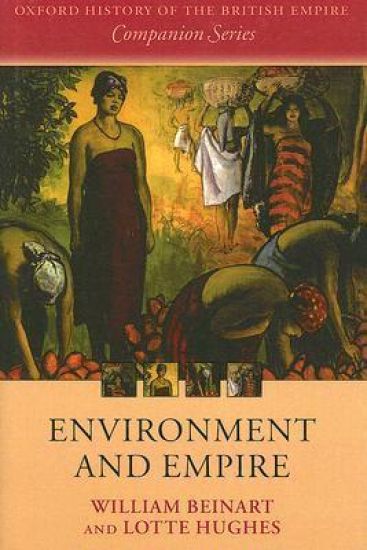
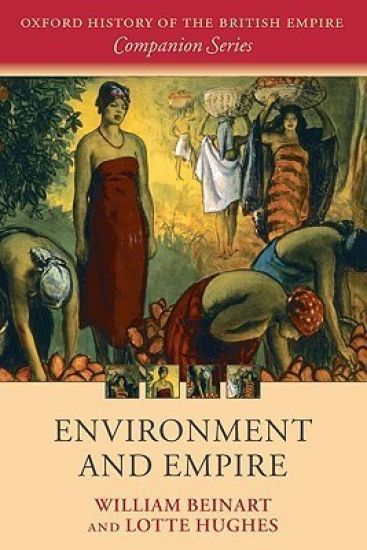
European imperialism was extraordinarily far-reaching: a key global historical process of the last 500 years. It locked disparate human societies together over a wider area than any previous imperial expansion; it underpinned the repopulation of the Americas and Australasia; it was the precursor of globalization as we now understand it. Imperialism was inseparable from the history of global environmental change. Metropolitan countries sought raw materials of all kinds, from timber and furs to rubber and oil. They established sugar plantations that transformed island ecologies. Settlers introduced new methods of farming and displaced indigenous peoples. Colonial cities, many of which became great conurbations, fundamentally changed relationships between people and nature. Consumer cultures, the internal combustion engine, and pollution are now ubiquitous. Environmental history deals with the reciprocal interaction between people and other elements in the natural world, and this book illustrates the diverse environmental themes in the history of empire. Initially concentrating on the material factors that shaped empire and environmental change, Environment and Empire discusses the way in which British consumers and manufacturers sucked in resources that were gathered, hunted, fished, mined, and farmed. Yet it is also clear that British settler and colonial states sought to regulate the use of natural resources as well as commodify them. Conservation aimed to preserve resources by exclusion, as in wildlife parks and forests, and to guarantee efficient use of soil and water. Exploring these linked themes of exploitation and conservation, this study concludes with a focus on political reassertions by colonised peoples over natural resources. In a post-imperial age, they have found a new voice, reformulating ideas about nature, landscape, and heritage and challenging, at a local and global level, views of who has the right to regulate nature.
Environment and Empire

Environment and Empire

William Beinart; Lotte Hughes

Oxford University Press
2007
sidottu
European imperialism was extraordinarily far-reaching: a key global historical process of the last 500 years. It locked disparate human societies together over a wider area than any previous imperial expansion; it underpinned the repopulation of the Americas and Australasia; it was the precursor of globalization as we now understand it. Imperialism was inseparable from the history of global environmental change. Metropolitan countries sought raw materials of all kinds, from timber and furs to rubber and oil. They established sugar plantations that transformed island ecologies. Settlers introduced new methods of farming and displaced indigenous peoples. Colonial cities, many of which became great conurbations, fundamentally changed relationships between people and nature. Consumer cultures, the internal combustion engine, and pollution are now ubiquitous. Environmental history deals with the reciprocal interaction between people and other elements in the natural world, and this book illustrates the diverse environmental themes in the history of empire. Initially concentrating on the material factors that shaped empire and environmental change, Environment and Empire discusses the way in which British consumers and manufacturers sucked in resources that were gathered, hunted, fished, mined, and farmed. Yet it is also clear that British settler and colonial states sought to regulate the use of natural resources as well as commodify them. Conservation aimed to preserve resources by exclusion, as in wildlife parks and forests, and to guarantee efficient use of soil and water. Exploring these linked themes of exploitation and conservation, this study concludes with a focus on political reassertions by colonised peoples over natural resources. In a post-imperial age, they have found a new voice, reformulating ideas about nature, landscape, and heritage and challenging, at a local and global level, views of who has the right to regulate nature.