Kirjojen hintavertailu. Mukana 12 152 606 kirjaa ja 12 kauppaa.

Kirjailija

Louis Ray

Kirjat ja teokset yhdessä paikassa: 4 kirjaa, julkaisuja vuosilta 2012-2021, suosituimpien joukossa Charles H. Thompson. Vertaile teosten hintoja ja tarkista saatavuus suomalaisista kirjakaupoista.

4 kirjaa

Kirjojen julkaisuhaarukka 2012-2021.

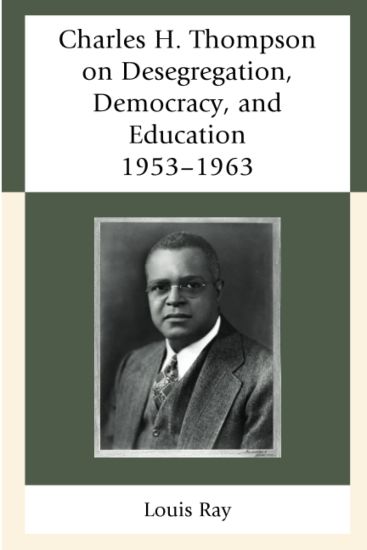
Charles H. Thompson on Desegregation, Democracy, and Education

Charles H. Thompson on Desegregation, Democracy, and Education

Louis Ray

Fairleigh Dickinson University Press
2021
nidottu
The goals of achieving equal citizenship rights for African Americans and international respect for human rights inspired Charles H. Thompson to focus his attention on ending segregation as public policy in the United States. As editor of The Journal of Negro Education, from 1932 to 1963, Thompson tirelessly championed equal educational and economic opportunities for African Americans and other targets of discrimination. Charles H. Thompson on Desegregation, Democracy, and Education captures the evolving struggle for civil rights from the perspective of an education insider, brilliant scholar-activist, and arguably the leading dean in African American higher education between 1938 and 1963. This study focuses on Thompson's efforts, between 1953 and 1963, to mobilize his readers, including African American teachers, to support the civil rights movement including voter registration drives, boycotts, the sit-ins, as well as the NAACP litigation campaign. He encouraged them to support principled, African American leaders such as Dr. Martin Luther King, Jr., and their campaigns for social justice. Thompson remained confident that they and their allies would prevail so long as they adhered to the ethical principles that informed their movement and applied political and economic pressure intelligently. The desegregation of public education and the strengthening of African American higher education, for Thompson, served as wedges for extending democracy in the US.
Charles H. Thompson on Desegregation, Democracy, and Education

Charles H. Thompson on Desegregation, Democracy, and Education

Louis Ray

Fairleigh Dickinson University Press
2020
sidottu
The goals of achieving equal citizenship rights for African Americans and international respect for human rights inspired Charles H. Thompson to focus his attention on ending segregation as public policy in the United States. As editor of The Journal of Negro Education, from 1932 to 1963, Thompson tirelessly championed equal educational and economic opportunities for African Americans and other targets of discrimination. Charles H. Thompson on Desegregation, Democracy, and Education captures the evolving struggle for civil rights from the perspective of an education insider, brilliant scholar-activist, and arguably the leading dean in African American higher education between 1938 and 1963. This study focuses on Thompson's efforts, between 1953 and 1963, to mobilize his readers, including African American teachers, to support the civil rights movement including voter registration drives, boycotts, the sit-ins, as well as the NAACP litigation campaign. He encouraged them to support principled, African American leaders such as Dr. Martin Luther King, Jr., and their campaigns for social justice. Thompson remained confident that they and their allies would prevail so long as they adhered to the ethical principles that informed their movement and applied political and economic pressure intelligently. The desegregation of public education and the strengthening of African American higher education, for Thompson, served as wedges for extending democracy in the US.
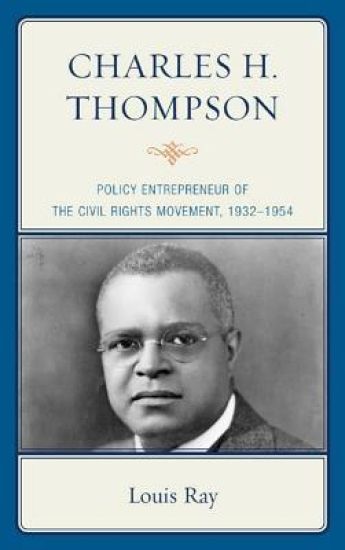
Charles H. Thompson

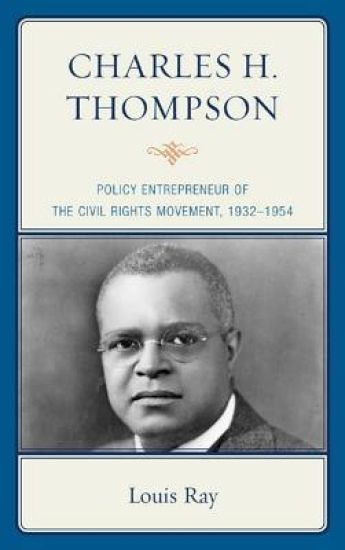
Charles H. Thompson

Louis Ray

Fairleigh Dickinson University Press
2014
nidottu
During a period when African-American education was at the epicenter of the civil rights movement, Thompson’s Journal documented the rapid growth of educational discrimination in the South despite significant increases in public school funding, providing irrefutable evidence that racially segregated public education was inherently discriminatory, hence, unconstitutional. Between 1932 and 1954, Thompson’s editorials provided a nuanced, insider’s account of one of the most successful policy research ventures in American history: the movement to overturn racial segregation as public policy, chronicling the rise during the Depression, World War II and the postwar period of a policy community committed to expanding human rights nationally and internationally. A brilliant essayist, Thompson sought to close the gap between America’s democratic precepts and its undemocratic practices by molding public opinion favorable to a significant expansion of civil rights among scholars, policymakers and the public. An expert witness in several landmark higher education cases argued before the U. S. Supreme Court including Sipuel (1948), Sweatt (1950) and McLaurin (1950), Thompson’s editorials provided an informed, eyewitness account of African-American teachers’ pivotal role in the NAACP litigation campaign culminating in the landmark Brown et al v. Board of Education of Topeka et al (1954) desegregation ruling. This is the first, full-length study of Charles H. Thompson’s contributions to American education and the civil rights movement.
Charles H. Thompson

Charles H. Thompson

Louis Ray

Fairleigh Dickinson University Press
2012
sidottu
During a period when African-American education was at the epicenter of the civil rights movement, Thompson’s Journal documented the rapid growth of educational discrimination in the South despite significant increases in public school funding, providing irrefutable evidence that racially segregated public education was inherently discriminatory, hence, unconstitutional. Between 1932 and 1954, Thompson’s editorials provided a nuanced, insider’s account of one of the most successful policy research ventures in American history: the movement to overturn racial segregation as public policy, chronicling the rise during the Depression, World War II and the postwar period of a policy community committed to expanding human rights nationally and internationally. A brilliant essayist, Thompson sought to close the gap between America’s democratic precepts and its undemocratic practices by molding public opinion favorable to a significant expansion of civil rights among scholars, policymakers and the public. An expert witness in several landmark higher education cases argued before the U. S. Supreme Court including Sipuel (1948), Sweatt (1950) and McLaurin (1950), Thompson’s editorials provided an informed, eyewitness account of African-American teachers’ pivotal role in the NAACP litigation campaign culminating in the landmark Brown et al v. Board of Education of Topeka et al (1954) desegregation ruling. This is the first, full-length study of Charles H. Thompson’s contributions to American education and the civil rights movement.