Kirjojen hintavertailu. Mukana 12 290 406 kirjaa ja 12 kauppaa.

Kirjailija

Louis V. Headman

Kirjat ja teokset yhdessä paikassa: 4 kirjaa, julkaisuja vuosilta 2019-2024, suosituimpien joukossa Dictionary of the Ponca People. Vertaile teosten hintoja ja tarkista saatavuus suomalaisista kirjakaupoista.

4 kirjaa

Kirjojen julkaisuhaarukka 2019-2024.

Walks on the Ground

Walks on the Ground

Louis V. Headman; Sean O'Neill

University of Nebraska Press
2024
pokkari
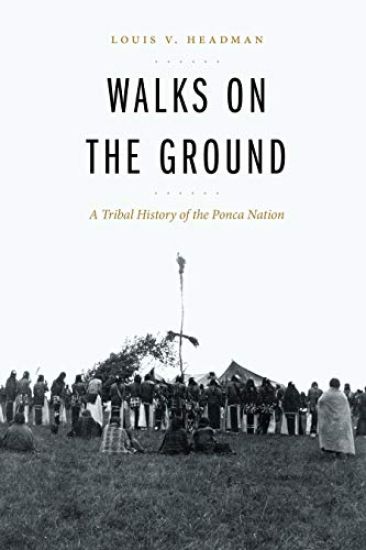
Named a 2020 Choice Outstanding Academic TitleWalks on the Ground is a record of Louis V. Headman’s personal study of the Southern Ponca people, spanning seven decades beginning with the historic notation of the Ponca people’s origins in the East. The last of the true Ponca speakers and storytellers entered Indian Territory in 1877 and most lived into the 1940s. In Ponca heritage, the history of individuals is told and passed along in songs of tribal members. Headman acquired information primarily when singing with known ceremonial singers such as Harry Buffalohead, Ed Littlecook, Oliver Littlecook, Eli Warrior, Dr. Sherman Warrior (son of Sylvester Warrior), Roland No Ear, and “Pee-wee” Clark. Headman’s father, Kenneth Headman, shared most of this history and culture with Louis. During winter nights, after putting a large log into the fireplace, Kenneth would begin his storytelling. The other elders in the tribe confirmed Kenneth’s stories and insights and contributed to the history Louis has written about the Ponca.Walks on the Ground traces changes in the tribe as reflected in educational processes, the influences and effects of the federal government, and the dominant social structure and culture. Headman includes children’s stories and recognizes the contribution made by Ponca soldiers who served during both world wars, the Korean Conflict, the Vietnam War, Desert Storm, and the ongoing conflict in the Middle East.
Dictionary of the Ponca People

Dictionary of the Ponca People

Louis V. Headman; Sean O'Neill

University of Nebraska Press
2020
pokkari
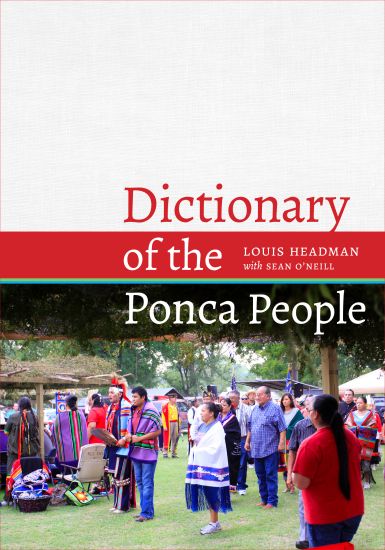
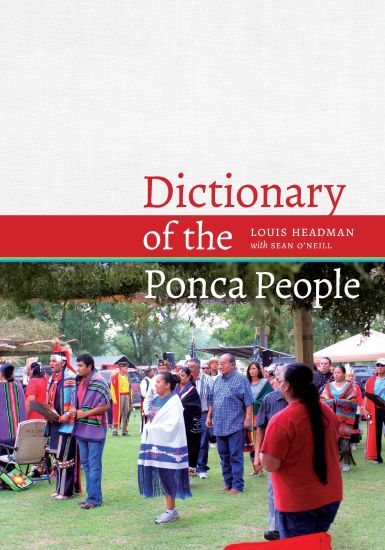
Published through the Recovering Languages and Literacies of the Americas initiative, supported by the Andrew W. Mellon Foundation. Dictionary of the Ponca People presents approximately five thousand words and definitions used by Ponca speakers from the late nineteenth century to the present. Until relatively recently, the Ponca language had been passed down solely as part of an oral tradition in which children learned the language at home by listening to their elders. Almost every family on the southern Ponca reservation in Oklahoma spoke the language fluently until the 1940s, when English began to replace the Ponca language as children entered government boarding schools and were forced to learn English. In response to demand, Ponca language classes are now being offered to children and adults as people seek to gain knowledge of this important link to tradition and culture. The approximately five thousand words in this volume encompass the main artery of the language heard and spoken by the parents and grandparents of the Ponca Council of Elders. Additional words are included, such as those related to modern devices and technology. This dictionary has been compiled at a time when the southern Poncas are initiating a new syntactic structure to the language, as few can speak a full sentence. This dictionary is not intended to recover a cultural period or practice but rather as a reference to the spoken language of the people.
Walks on the Ground

Walks on the Ground

Louis V. Headman; Sean O'Neill

University of Nebraska Press
2020
sidottu
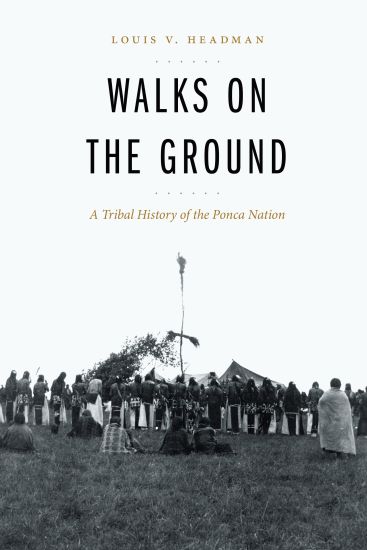
Named a 2020 Choice Outstanding Academic TitleWalks on the Ground is a record of Louis V. Headman’s personal study of the Southern Ponca people, spanning seven decades beginning with the historic notation of the Ponca people’s origins in the East. The last of the true Ponca speakers and storytellers entered Indian Territory in 1877 and most lived into the 1940s. In Ponca heritage, the history of individuals is told and passed along in songs of tribal members. Headman acquired information primarily when singing with known ceremonial singers such as Harry Buffalohead, Ed Littlecook, Oliver Littlecook, Eli Warrior, Dr. Sherman Warrior (son of Sylvester Warrior), Roland No Ear, and “Pee-wee” Clark. Headman’s father, Kenneth Headman, shared most of this history and culture with Louis. During winter nights, after putting a large log into the fireplace, Kenneth would begin his storytelling. The other elders in the tribe confirmed Kenneth’s stories and insights and contributed to the history Louis has written about the Ponca.Walks on the Ground traces changes in the tribe as reflected in educational processes, the influences and effects of the federal government, and the dominant social structure and culture. Headman includes children’s stories and recognizes the contribution made by Ponca soldiers who served during both world wars, the Korean Conflict, the Vietnam War, Desert Storm, and the ongoing conflict in the Middle East.
Dictionary of the Ponca People

Dictionary of the Ponca People

Louis V. Headman; Sean O'Neill

University of Nebraska Press
2019
sidottu
Published through the Recovering Languages and Literacies of the Americas initiative, supported by the Andrew W. Mellon Foundation. Dictionary of the Ponca People presents approximately five thousand words and definitions used by Ponca speakers from the late nineteenth century to the present. Until relatively recently, the Ponca language had been passed down solely as part of an oral tradition in which children learned the language at home by listening to their elders. Almost every family on the southern Ponca reservation in Oklahoma spoke the language fluently until the 1940s, when English began to replace the Ponca language as children entered government boarding schools and were forced to learn English. In response to demand, Ponca language classes are now being offered to children and adults as people seek to gain knowledge of this important link to tradition and culture. The approximately five thousand words in this volume encompass the main artery of the language heard and spoken by the parents and grandparents of the Ponca Council of Elders. Additional words are included, such as those related to modern devices and technology. This dictionary has been compiled at a time when the southern Poncas are initiating a new syntactic structure to the language, as few can speak a full sentence. This dictionary is not intended to recover a cultural period or practice but rather as a reference to the spoken language of the people.