Kirjojen hintavertailu. Mukana 12 390 323 kirjaa ja 12 kauppaa.

Kirjailija

Louise H. Emmons

Kirjat ja teokset yhdessä paikassa: 3 kirjaa, julkaisuja vuosilta 1995-2000, suosituimpien joukossa The Tambopata-Candamo-Rio Heath Region of Southeastern Peru. Vertaile teosten hintoja ja tarkista saatavuus suomalaisista kirjakaupoista.

3 kirjaa

Kirjojen julkaisuhaarukka 1995-2000.

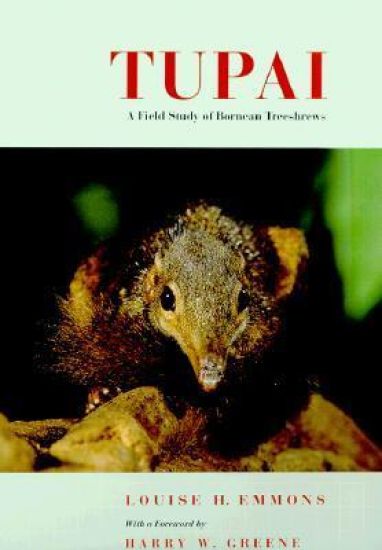
Tupai

Tupai

Louise H. Emmons; Harry W. Greene

University of California Press
2000
pokkari
Treeshrews suffer from chronic mistaken identity: they are not shrews, and most are not found in trees. These squirrel-sized, brownish mammals with large, dark, lashless eyes were at one time thought to be primates. Even though most scientists now believe them to belong in their own mammalian order, Scandentia, they still are thought to resemble some of the earliest mammals, which lived alongside the dinosaurs. This book describes the results of the first comparative study of the ecology of treeshrews in the wild. Noted tropical mammalogist Louise H. Emmons conducted this pathbreaking study in the rainforests of Borneo as she tracked and observed six species of treeshrews. Emmons meticulously describes their habitat, diet, nesting habits, home range, activity patterns, social behavior, and many other facets of their lives. She also discusses a particularly interesting aspect of treeshrews: their enigmatic parental care system, which is unique among mammals.
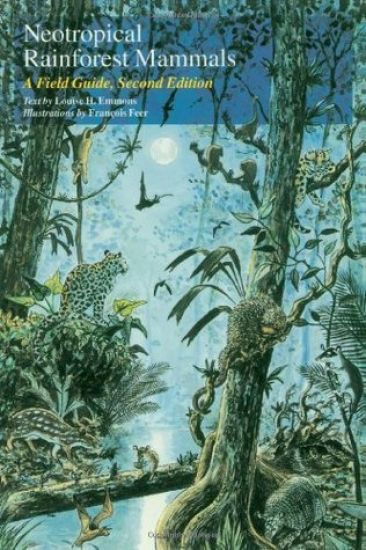
Neotropical Rainforest Mammals

Neotropical Rainforest Mammals

Louise H. Emmons; Francois Feer

University of Chicago Press
1997
nidottu
A field guide to the marvellously diverse creatures of the rainforest, this book includes information on 226 species. It identifies characteristics, similar species, vocalization, behaviour and natural history, geographic range, conservation status, local names and literature references. All species accounts from the first edition have been updated to include the most recent research. All 195 maps showing the distribution and geographic range of each species have been revised to reflect current information. In addition, the colour plates illustrate more than 220 species (including significant colour variants between males and females or adults and young). The black and white plates contain more than 60 images of individual species, mainly bats.