
Kirjojen hintavertailu. Mukana 12 468 996 kirjaa ja 12 kauppaa.

Kirjailija

Luca Graverini

Kirjat ja teokset yhdessä paikassa: 2 kirjaa, julkaisuja vuosilta 2020-2025, suosituimpien joukossa Reader Immersion in Latin Prose and Verse Narrative. Vertaile teosten hintoja ja tarkista saatavuus suomalaisista kirjakaupoista.

2 kirjaa

Kirjojen julkaisuhaarukka 2020-2025.

Reader Immersion in Latin Prose and Verse Narrative

Reader Immersion in Latin Prose and Verse Narrative

Luca Graverini

Oxford University Press
2025
sidottu
Immersion used to be disregarded by academic scholarship as a secondary aspect of ancient narrative. It was mostly considered typical of a passive reading style unworthy of intellectual consideration. However, the study of the immersive strategies adopted by ancient authors can often reveal intriguing and sometimes unsuspected layers of sophistication in their works. This makes a valuable contribution to our understanding of ancient literary culture. This is the first monograph that thoroughly analyses how Latin authors of narrative encourage their readers' immersion in the fictional world--an aspect of fictional literature that is essential to fully understand the artistry and sophistication of many ancient texts. Immersed readers of fiction experience the narrative world and its inhabitants-the fictional characters-as if they were to some extent real. This experience affects the readers' visual imagination, but also their emotional reactions, physical sensations, enactive responses, and interpretive activities; deeply engaging texts adopt various strategies to boost all these aspects of the reading experience they afford. The book mobilizes the resources and methods of several scholarly approaches, both traditional and new, to explore these strategies in ancient prose and verse narratives. Detailed analysis of language and style is combined with a careful consideration of the more general features of ancient literary genres; narratology joins forces with the study of emotions and with neurocognitive perspectives. Reader immersion is a pervasive aspect of all kinds of narrative literature, but it is more prominent in some texts than in others. In this study, Luca Graverini analyses a broad range of ancient narrative works, spanning several centuries and different literary genres. In purely chronological order, these include the comedies of Plautus, the Aeneid of Vergil, the Metamorphoses of Ovid, the tragedies of Seneca, the Satyrica of Petronius, and the Metamorphoses of Apuleius. The interpretive approach adopted in this monograph can attract the interest of many readers with different backgrounds and working on different subjects.
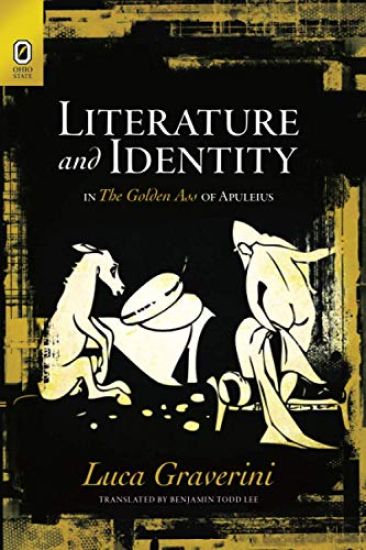
Literature and Identity in The Golden Ass of Apuleius

Literature and Identity in The Golden Ass of Apuleius

Luca Graverini

Ohio State University Press
2020
pokkari
Literature and Identity in The Golden Ass of Apuleius is the first English translation of a work published in 2007 as Le Metamorfosi di Apuleio: Letteratura e identit , by Luca Graverini. The second-century CE novel The Golden Ass, or Metamorphoses, has proven to be both captivating and highly entertaining to the modern reader, but the text also presents the critic with a vast array of interpretive possibilities. In fact, there is little consensus among scholars on the fundamental significance of Apuleius' novel: is it simply a form of narrative entertainment, or does it represent some sort of religious or philosophical propaganda? Can it be interpreted as a satire of fatuous belief in otherworldly powers, or is it an utterly aporetic text? Graverini begins by setting The Golden Ass in its ancient literary context. Apuleius' playful defiance of generic conventions represents a substantial literary innovation, but he is also taking part in a tradition of narrative and satirical literature that typically featured experimentation with genre. The interplay of generic elements found in The Golden Ass reflects the complexity of the author's cultural identity: Apuleius was a Roman North African who had traveled widely throughout the Mediterranean and enjoyed an extensive education in both Greek and Latin. Graverini concludes with a study of the complex interaction of these three dimensions of Apuleius' identity (African, Roman, and Greek), and investigates what the narrative can tell us about the culture of its readership. These cultural interactions affirm that The Golden Ass aims to delight its readers as well as to exhort them to religion and philosophy. Ben Lee's superb new translation will make Graverini's groundbreaking study available to a much wider scholarly readership.