Kirjojen hintavertailu. Mukana 12 638 861 kirjaa ja 12 kauppaa.

Kirjailija

Lucy Inglis

Kirjat ja teokset yhdessä paikassa: 10 kirjaa, julkaisuja vuosilta 2013-2026, suosituimpien joukossa Born. Vertaile teosten hintoja ja tarkista saatavuus suomalaisista kirjakaupoista.

10 kirjaa

Kirjojen julkaisuhaarukka 2013-2026.

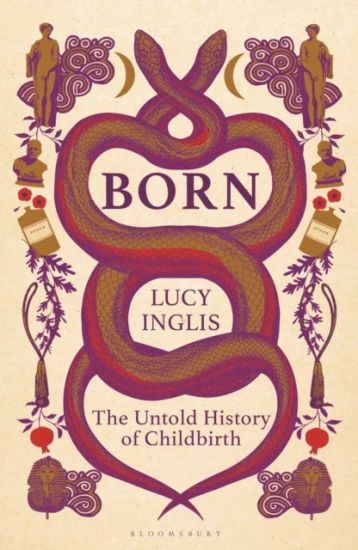
Born

Born

Lucy Inglis

BLOOMSBURY PUBLISHING PLC
2026
nidottu
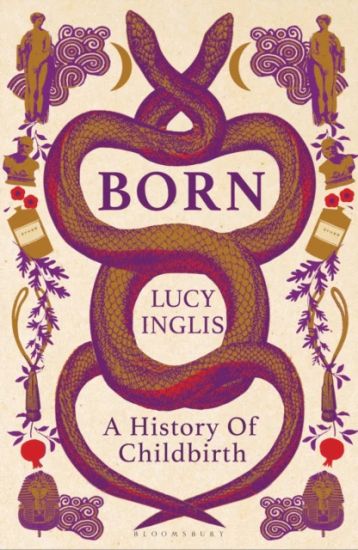
'a tumultuous rollercoaster through time, and achieves that most difficult of things: bringing the strange lives of our ancestors vividly to life.' - Alice Loxton, author of Eighteen and Uproar 'Deeply researched, smart, poignant, and witty.' - Karen Bloom Gevirtz, author of The Apothecary's Wife Women have been fighting for control over their bodies for thousands of years. From Neolithic hunter-gatherers to the reversal of Roe v. Wade, this is their story. Acclaimed cultural historian Lucy Inglis takes the reader on an epic journey through the stories of women over hundreds of thousands of years. From ancient Mesopotamian birthing practices to the lost contraceptives of Ancient Rome and the strange story of the feminists who fought for the right to forget childbirth, this is a truly sweeping history that explores the competing ideologies and lived realities that have shaped so many lives. Lucy Inglis charts the battle for control throughout history over reproduction, birth and women’s bodies - a fight still raging in many places across the world. With birth rates falling and infant mortality in many societies on the rise once more, this bold and timely book raises vital questions about how we think about motherhood and pregnancy today. Lucy Inglis has spent over a decade researching the history of childbirth, drawing on new and unseen sources from a wide-ranging array of disciplines. Charting the powerful interests and dedicated scientists that have shaped women’s maternal experiences, this is a must-read for anyone who wishes to understand how we all came to be here.
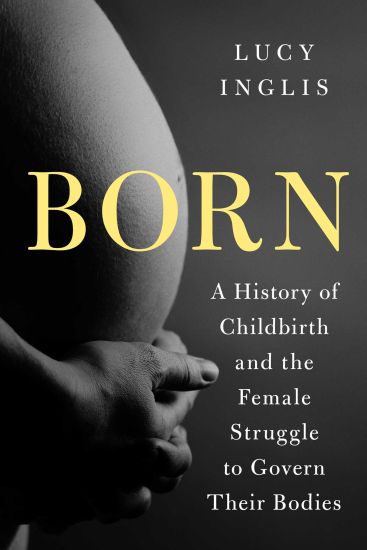
Born: A History of Childbirth

Born: A History of Childbirth

Lucy Inglis

Pegasus Books
2025
sidottu
A groundbreaking history of childbirth filled with medical, political, and social triumphs, Born is the story of how we give birth set against the female struggle to govern their ability to reproduce. Born moves around over time and large geographical, social, and cultural distances, but returns continually to a series of themes: the experience of pregnancy, the act of childbirth, and latterly, the fight for reproductive autonomy. Whatever their ultimate outcomes, pregnancy and the act of childbirth are at once an individual and communal event. No two births are the same, yet the history of childbirth informs us about so much more than this intimate moment in the lives of a woman and her offspring. The act of childbirth informs us as unique individuals, yet at the same moment makes us part of something much greater than ourselves. This book is the sum of many stories that combine war, art, science, and politics with the fundamental act of human existence. It is not a book about parenting or motherhood beyond the moment of delivery and the short time afterward. Instead, this is a story of the evolving role pregnancy and childbirth have played in societies through history, of the mysticism, the practicalities, and the power struggles that have shaped nations, yet also, individual identities. Our narrative starts out in prehistory and ends now, with the reversal of Roe v. Wade, taking in mother-and-child bone fragments of the Ice Age, the cries from the medieval birthing chair, and the calls to rally of our modern age. This is how we are Born.
Born

Born

Lucy Inglis

BLOOMSBURY PUBLISHING PLC
2025
sidottu
There is a history of humanity that has never been told – overlooked and unrecorded for millennia: the story of how we are born.Acclaimed cultural historian Lucy Inglis takes the reader on an epic journey through the stories of women over hundreds of thousands of years. From ancient Mesopotamian birthing practices to the lost contraceptives of Ancient Rome and the strange story of the feminists who fought for the right to forget childbirth, this is a truly sweeping history that explores the competing ideologies and lived realities that have shaped so many lives.Lucy Inglis charts the battle for control throughout history over reproduction, birth and women’s bodies - a fight still raging in many places across the world. With birth rates falling and infant mortality in many societies on the rise once more, this bold and timely book raises vital questions about how we think about motherhood and pregnancy today. Lucy Inglis has spent over a decade researching the history of childbirth, drawing on new and unseen sources from a wide-ranging array of disciplines. Charting the powerful interests and dedicated scientists that have shaped women’s maternal experiences, this is a must-read for anyone who wishes to understand how we all came to be here.
Milk of Paradise: A History of Opium

Milk of Paradise: A History of Opium

Lucy Inglis

Pegasus Books
2020
nidottu
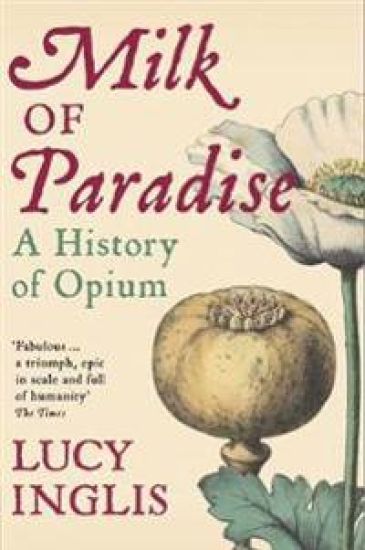
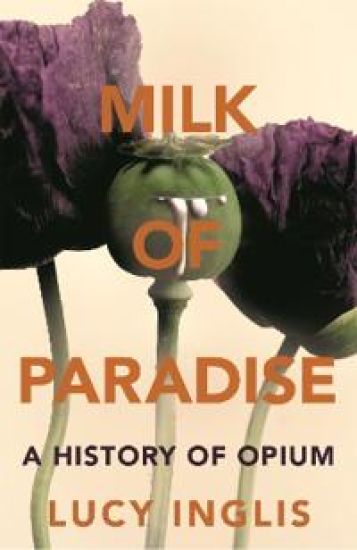
Poppy tears, opium, heroin, fentanyl: humankind has been in thrall to the "Milk of Paradise" for millennia. The latex of papaver somniferum is a bringer of sleep, of pleasurable lethargy, of relief from pain--and hugely addictive. A commodity without rival, it is renewable, easy to extract, transport, and refine, and subject to an insatiable global demand. No other substance in the world is as simple to produce or as profitable. It is the basis of a gargantuan industry built upon a shady underworld, but ultimately it is an agricultural product that lives many lives before it reaches the branded blister packet, the intravenous drip, or the scorched and filthy spoon. Many of us will end our lives dependent on it. In Milk of Paradise, acclaimed cultural historian Lucy Inglis takes readers on an epic journey from ancient Mesopotamia to modern America and Afghanistan, from Sanskrit to pop, from poppy tears to smack, from morphine to today's synthetic opiates. It is a tale of addiction, trade, crime, sex, war, literature, medicine, and, above all, money. And, as this ambitious, wide-ranging, and compelling account vividly shows, the history of opium is our history and it speaks to us of who we are.
Milk of Paradise

Milk of Paradise

Lucy Inglis

Picador
2019
pokkari
'Lucy Inglis has done a wonderful job bringing together a wide range of sources to tell the history of the most exciting and dangerous plants in the world. Telling the story of opium tells us much about our faults and foibles as humans – our willingness to experiment; our ability to become addicts; our pursuit of money. This book tells us more than about opium; it tells us about ourselves.' - Peter Frankopan, author of The Silk Roads‘The only thing that is good is poppies. They are gold.’ Poppy tears, opium, heroin, fentanyl: humankind has been in thrall to the ‘Milk of Paradise’ for millennia. The latex of papaver somniferum is a bringer of sleep, of pleasurable lethargy, of relief from pain – and hugely addictive. A commodity without rival, it is renewable, easy to extract, transport and refine, and subject to an insatiable global demand. No other substance in the world is as simple to produce or as profitable. It is the basis of a gargantuan industry built upon a shady underworld, but ultimately it is a farm-gate material that lives many lives before it reaches the branded blister packet, the intravenous drip or the scorched and filthy spoon. Many of us will end our lives dependent on it. In Milk of Paradise, acclaimed cultural historian Lucy Inglis takes readers on an epic journey from ancient Mesopotamia to modern America and Afghanistan, from Sanskrit to pop, from poppy tears to smack, from morphine to today’s synthetic opiates. It is a tale of addiction, trade, crime, sex, war, literature, medicine and, above all, money. And, as this ambitious, wide-ranging and compelling account vividly shows, the history of opium is our history and it speaks to us of who we are.
Milk of Paradise

Milk of Paradise

Lucy Inglis

Macmillan
2018
sidottu
'Lucy Inglis has done a wonderful job bringing together a wide range of sources to tell the history of the most exciting and dangerous plants in the world. Telling the story of opium tells us much about our faults and foibles as humans – our willingness to experiment; our ability to become addicts; our pursuit of money. This book tells us more than about opium; it tells us about ourselves.' - Peter Frankopan, author of The Silk Roads‘The only thing that is good is poppies. They are gold.’ Poppy tears, opium, heroin, fentanyl: humankind has been in thrall to the ‘Milk of Paradise’ for millennia. The latex of papaver somniferum is a bringer of sleep, of pleasurable lethargy, of relief from pain – and hugely addictive. A commodity without rival, it is renewable, easy to extract, transport and refine, and subject to an insatiable global demand. No other substance in the world is as simple to produce or as profitable. It is the basis of a gargantuan industry built upon a shady underworld, but ultimately it is a farm-gate material that lives many lives before it reaches the branded blister packet, the intravenous drip or the scorched and filthy spoon. Many of us will end our lives dependent on it. In Milk of Paradise, acclaimed cultural historian Lucy Inglis takes readers on an epic journey from ancient Mesopotamia to modern America and Afghanistan, from Sanskrit to pop, from poppy tears to smack, from morphine to today’s synthetic opiates. It is a tale of addiction, trade, crime, sex, war, literature, medicine and, above all, money. And, as this ambitious, wide-ranging and compelling account vividly shows, the history of opium is our history and it speaks to us of who we are.
Georgian London

Georgian London

Lucy Inglis

Penguin Books Ltd
2014
pokkari
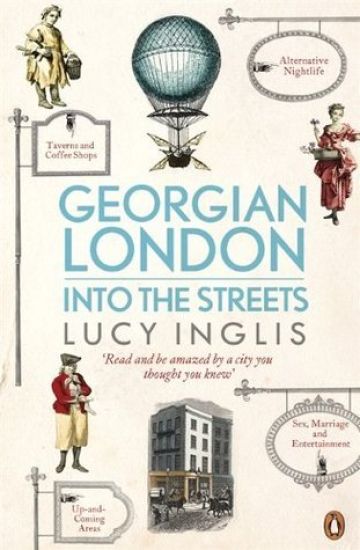
In Georgian London: Into the Streets, Lucy Inglis takes readers on a tour of London's most formative age - the age of love, sex, intellect, art, great ambition and fantastic ruin. Travel back to the Georgian years, a time that changed expectations of what life could be. Peek into the gilded drawing rooms of the aristocracy, walk down the quiet avenues of the new middle class, and crouch in the damp doorways of the poor. But watch your wallet - tourists make perfect prey for the thriving community of hawkers, prostitutes and scavengers. Visit the madhouses of Hackney, the workshops of Soho and the mean streets of Cheapside. Have a coffee in the city, check the stock exchange, and pop into St Paul's to see progress on the new dome.This book is about the Georgians who called London their home, from dukes and artists to rent boys and hot air balloonists meeting dog-nappers and life-models along the way. It investigates the legacies they left us in architecture and art, science and society, and shows the making of the capital millions know and love today.'Read and be amazed by a city you thought you knew' Jonathan Foyle, World Monuments Fund'Jam-packed with unusual insights and facts. A great read from a talented new historian' Independent'Pacy, superbly researched. The real sparkle lies in its relentless cavalcade of insightful anecdotes . . . There's much to treasure here' Londonist'Inglis has a good ear for the outlandish, the farcical, the bizarre and the macabre. A wonderful popular history of Hanoverian London' London HistoriansIn 2009 Lucy Inglis began blogging on the lesser-known aspects of London during the Eighteenth Century - including food, immigration and sex - at GeorgianLondon.com. She lives in London with her husband. Georgian London is her first book.
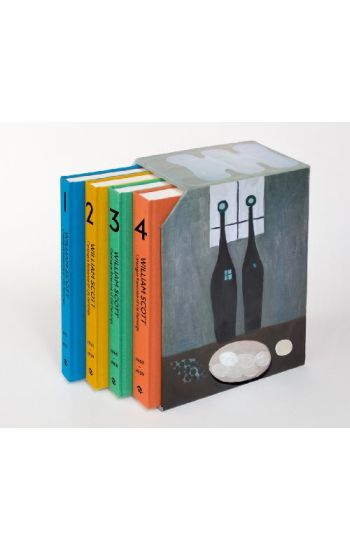
William Scott: Catalogue Raisonné of Oil Paintings
Over the course of his career, William Scott painted more than 1,000 works in oil, all of which are catalogued in this four-volume publication, which covers the artist’s output from 1928 to 1986. Each work is accompanied by a catalogue note giving reasons for the dating together with any documentary material relevant to its history, much of it published here for the first time. An enormous amount of new information has been unearthed during the six years of research that has gone into this important project, research that not only reveals a great deal more than was previously known about the artist’s life and work but also about how both these aspects of his career had a bearing on the wider context of contemporary British art. The artist’s own papers and many previously unpublished letters and lecture notes have been made available by his family especially for this project. This landmark work will provide scholars and collectors with a vital tool for further research, and all lovers of Scott’s art with a source of inspiration and insight.