Kirjojen hintavertailu. Mukana 12 344 978 kirjaa ja 12 kauppaa.

Kirjailija

Luke Sinwell

Kirjat ja teokset yhdessä paikassa: 6 kirjaa, julkaisuja vuosilta 2013-2023, suosituimpien joukossa Marikana. Vertaile teosten hintoja ja tarkista saatavuus suomalaisista kirjakaupoista.

6 kirjaa

Kirjojen julkaisuhaarukka 2013-2023.

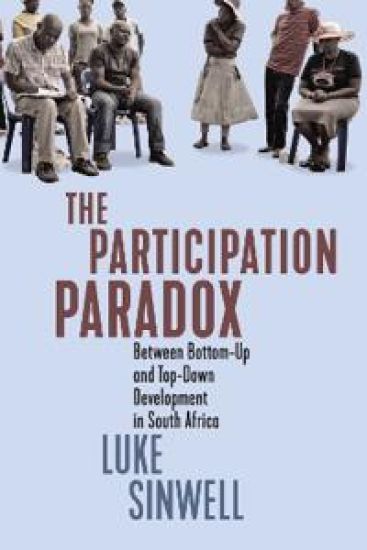
The Participation Paradox

The Participation Paradox

Luke Sinwell

MCGILL-QUEEN'S UNIVERSITY PRESS
2023
sidottu
The last two decades have ushered in what has become known as a participatory revolution, with consultants, advisors, and non-profits called into communities, classrooms, and corporations alike to listen to ordinary people. With exclusively bureaucratic approaches no longer en vogue, authorities now opt for “open” forums for engagement. In The Participation Paradox Luke Sinwell argues that amplifying the voices of the poor and dispossessed is often a quick fix incapable of delivering concrete and lasting change. The ideology of public consultation and grassroots democracy can be a smokescreen for a cost-effective means by which to implement top-down decisions. As participation has become mainstreamed by governments around the world, so have its radical roots become tamed by neoliberal forces that reinforce existing relationships of power. Drawing from oral testimonies and ethnographic research, Sinwell presents a case study of one of the poorest and most defiant Black informal settlements in Johannesburg, South Africa – Thembelihle, which consists of more than twenty thousand residents – highlighting the promises and pitfalls of participatory approaches to development.Providing a critical lens for understanding grassroots democracy, The Participation Paradox foregrounds alternatives capable of reclaiming participation’s emancipatory potential.
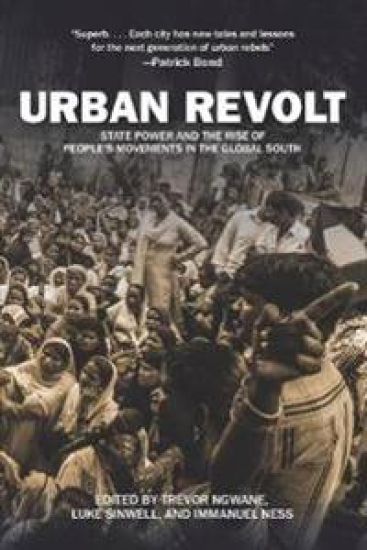
Urban Revolt

Urban Revolt

Immanuel Ness; Luke Sinwell

Haymarket Books
2017
nidottu
How do individuals and organisations move beyond the boundaries of constitutional or legal constructs to challenge neoliberalism and capitalism? As major urban areas have become the principal sites of poor and working-class social upheaval in the early twenty-first century, the chapters in this book explore key cities in the Global South. Through detailed case studies, Urban Revolt unravels the potential and limitations of urban social movements on an international level.
The Spirit of Marikana

The Spirit of Marikana

Luke Sinwell; Siphiwe Mbatha

Pluto Press
2016
pokkari
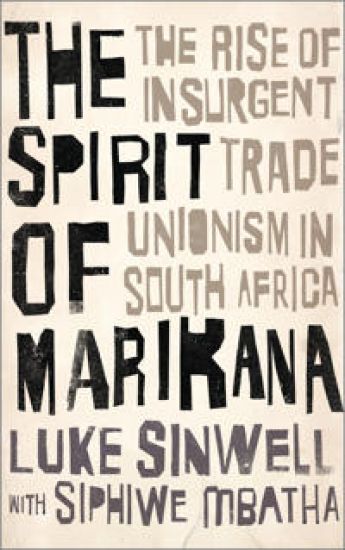
On 16th August 2012, thirty-four black mineworkers were gunned down by the police under the auspices of South Africa's African National Congress (ANC) in what has become known as the Marikana massacre. This attempt to drown independent working-class power in blood backfired and is now recognised as a turning point in the country's history. The Spirit of Marikana tells the story of the uncelebrated leaders at the world's three largest platinum mining companies who survived the barrage of state violence, intimidation, torture and murder which was being perpetrated during this tumultuous period. What began as a discussion about wage increases between two workers in the changing rooms at one mine became a rallying cry for economic freedom and basic dignity. This gripping ethnographic account is the first comprehensive study of this movement, revealing how seemingly ordinary people became heroic figures who transformed their workplace and their country.
The Spirit of Marikana

The Spirit of Marikana

Luke Sinwell; Siphiwe Mbatha

Pluto Press
2016
sidottu
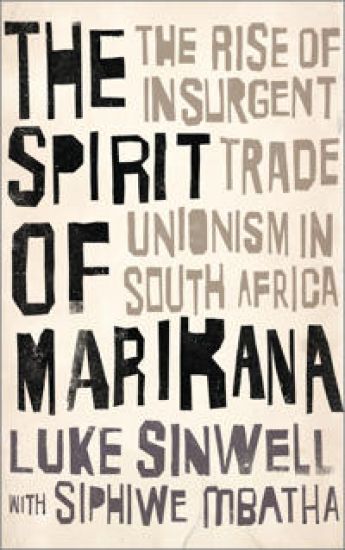
On 16th August 2012, thirty-four black mineworkers were gunned down by the police under the auspices of South Africa's African National Congress (ANC) in what has become known as the Marikana massacre. This attempt to drown independent working-class power in blood backfired and is now recognised as a turning point in the country's history. The Spirit of Marikana tells the story of the uncelebrated leaders at the world's three largest platinum mining companies who survived the barrage of state violence, intimidation, torture and murder which was being perpetrated during this tumultuous period. What began as a discussion about wage increases between two workers in the changing rooms at one mine became a rallying cry for economic freedom and basic dignity. This gripping ethnographic account is the first comprehensive study of this movement, revealing how seemingly ordinary people became heroic figures who transformed their workplace and their country.
Marikana

Marikana

Peter Alexander; Thapelo Lekgowa; Botsang Mmope; Luke Sinwell; Bongani Xezwi

Ohio University Press
2013
sidottu
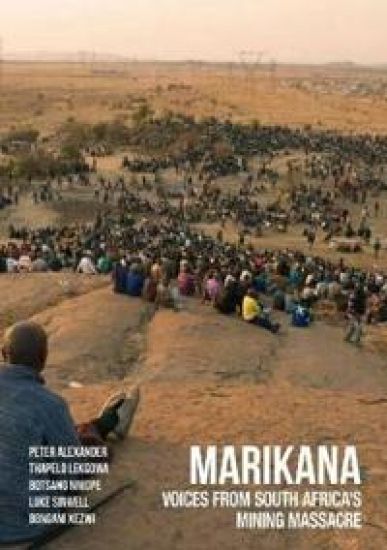
The Marikana Massacre of August 16, 2012, was the single most lethal use of force by South African security forces against civilians since the end of apartheid. Those killed were mineworkers in support of a pay raise. Through a series of interviews conducted with workers who survived the attack, this account documents and examines the controversial shootings in great detail, beginning with a valuable history of the events leading up to the killing of workers, and including eyewitness accounts of the violence and interviews with family members of those who perished. While the official Farlam Commission investigation of the massacre is still ongoing, many South Africans do not hold much confidence in the government's ability to examine its own complicity in these events. Marikana, on the other hand, examines the various roles played by the African National Congress, the mine company, and the National Union of Mineworkers in creating the conditions that led to the massacre. While the commission's investigations take place in a courtroom setting tilted toward those in power, Marikana documents testimony from the mineworkers in the days before official statements were even gathered, offering an unusually immediate and unfiltered look at the reality from the perspective of those most directly affected. Enhanced by vivid maps that make clear the setting and situation of the events, Marikana is an invaluable work of history, journalism, sociology, and activism.
Marikana

Marikana

Peter Alexander; Thapelo Lekgowa; Botsang Mmope; Luke Sinwell; Bongani Xezwi

Ohio University Press
2013
pokkari
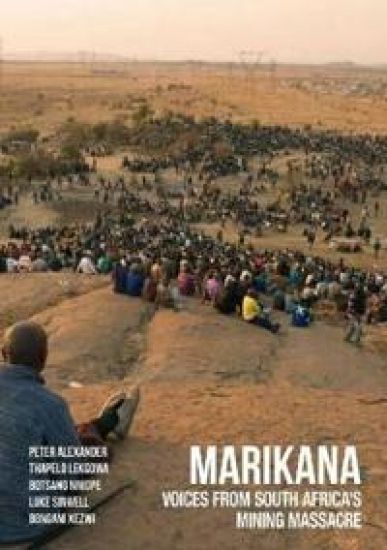
The Marikana Massacre of August 16, 2012, was the single most lethal use of force by South African security forces against civilians since the end of apartheid. Those killed were mineworkers in support of a pay raise. Through a series of interviews conducted with workers who survived the attack, this account documents and examines the controversial shootings in great detail, beginning with a valuable history of the events leading up to the killing of workers, and including eyewitness accounts of the violence and interviews with family members of those who perished. While the official Farlam Commission investigation of the massacre is still ongoing, many South Africans do not hold much confidence in the government's ability to examine its own complicity in these events. Marikana, on the other hand, examines the various roles played by the African National Congress, the mine company, and the National Union of Mineworkers in creating the conditions that led to the massacre. While the commission's investigations take place in a courtroom setting tilted toward those in power, Marikana documents testimony from the mineworkers in the days before official statements were even gathered, offering an unusually immediate and unfiltered look at the reality from the perspective of those most directly affected. Enhanced by vivid maps that make clear the setting and situation of the events, Marikana is an invaluable work of history, journalism, sociology, and activism.