
Kirjailija
Lytton Strachey
Kirjat ja teokset yhdessä paikassa: 103 kirjaa, julkaisuja vuosilta 1918-2026, suosituimpien joukossa Literary Essays. Vertaile teosten hintoja ja tarkista saatavuus suomalaisista kirjakaupoista.
103 kirjaa
Kirjojen julkaisuhaarukka 1918-2026.
"Eminent Victorians" is a seminal work of biography and social commentary published by British writer and critic Lytton Strachey. By offering four unique portrayals of notable Victorian people, the book challenges the standard approach to biography. Cardinal Manning, Florence Nightingale, Dr. Thomas Arnold, and General Charles Gordon are among Strachey's subjects. Strachey takes a sarcastic and critical perspective to their lives, rather than offering hagiographic narratives. He examines their shortcomings, paradoxes, and character complexity, presenting the human side of these great figures. Strachey's style is funny and astute, providing readers with a new perspective on these great figures. When it was initially released, the book's satirical tone and unorthodox biographical format generated quite a stir. Strachey's presentation of these illustrious Victorians as flawed and deficient questioned the conventional veneration for the era's heroes and heroines. "Eminent Victorians" is more than just a biography compilation; it's a critique of the Victorian society and beliefs that these figures embodied. Strachey's work was influential in altering the biography genre and encouraging a more nuanced and critical assessment of historical characters.
This Book "Landmarks in French Literature" has been considered important throughout the human history, and so that this work is never forgotten we have made efforts in its preservation by republishing this book in a modern format for present and future generations. This whole book has been reformatted, retyped and designed. These books are not made of scanned copies of their original work and hence the text is clear and readable.

Lytton Strachey was a founder of the famed Bloomsbury Group, an influential group of intellectuals and writers in wartime England. Considered a masterpiece of biographical writing, "Eminent Victorians" examines the lives of four important figures representative of the Victorian era. This 1918 work is noted for its irreverent sense of realism toward generally celebrated individuals. "Eminent Victorians" looks at the Catholic leader Cardinal Manning, the author and nurse Florence Nightingale, the Catholic reformer Thomas Arnold, and the British Army officer Charles George Gordon. The book was a popular and commercial success, establishing Strachey's writing career. His inventive form of biography was not greeted with total acclaim. Many found his treatment of his subjects to be offensive and unduly critical. His attribution of a realist psychology to his characters left many unnerved. Yet it is this tone that gives the work its texture and energy-a truly artistic work of biography from one of the most modern minds of the early 20th century. This edition is printed on premium acid-free paper.
The book "" Books and Characters, French & English, has been considered important throughout the human history, and so that this work is never forgotten we have made efforts in its preservation by republishing this book in a modern format for present and future generations. This whole book has been reformatted, retyped and designed. These books are not made of scanned copies and hence the text is clear and readable.
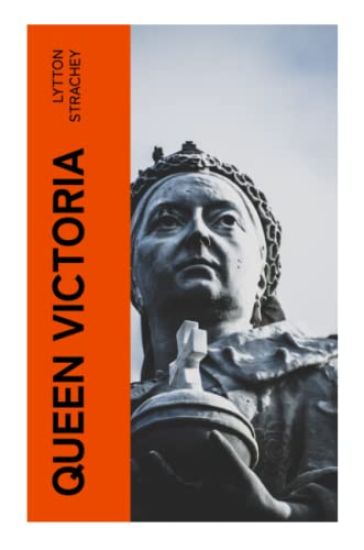
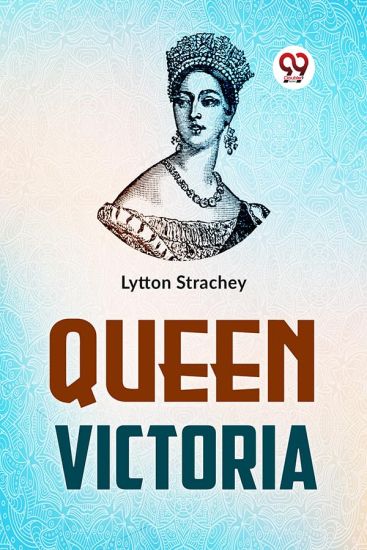
Known for its advances in literature, industrialization, politics, and science, the Victorian era was a prominent time in British history. However, author Lytton Strachey remembers Queen Victoria as a person instead of just focusing on her accomplishments. First starting with a brief history of her predecessors and origins, Victoria was crowned just as she came of age. Having only been eighteen, Queen Victoria was widely unfamiliar to her subjects when she was coronated. While her advisors and elders attempted to train her for her regal duties and present her to society, Victoria struggled to adjust to her new life. However, after a short period of adjustment, Victoria transformed into an iconic figure, known and celebrated for her elevated sense of morality. In 1840, Victoria married her cousin, Prince Albert, a match arranged by their families. But while Albert brought financial success, he was still unpopular in high society London, unlike his wife, who was growing to be more beloved every day. First published in 1921, Lytton Strachey’s Queen Victoria follows the inventive biographical style Strachey created, featuring witty, irreverent prose paired with the focus on human characteristics rather than just their achievements. Told in relation to the prominent figures in each stage of her life, Queen Victoria is an intimate perspective of the legendary ruler. Praised for its accuracy and entertainment, Queen Victoria led Lytton Strachey to be awarded the James Tait Black Memorial Prize, one of the oldest awards in British literature. This edition of Queen Victoria by Lytton Strachey features an eye-catching new cover design and is presented in a font that is both modern and readable. With these accommodations, this edition is accessible and appealing to contemporary audiences, restoring Queen Victoria to modern standards while preserving the original innovation and insight of Lytton Strachey’s work.

Featuring prominent figures in education, religion, science, and war, Eminent Victorians is a fascinating collection of Victorian biographies. Beginning with a discussion of the achievements of Cardinal Manning, Strachey provides insight on the Cardinal’s rise to power and follows the creation of the Oxford Movement, which began the development of the Anglo-Catholic church. Sparing no detail, Manning’s feud with the influential theologian John Henry Newman and its effects on his career is well highlighted. Next, Florence Nightingale, the founder of modern nursing, is depicted in a more flattering light that the other subjects. Portrayed as a clever, intense, and ambitious woman, Nightingale is deemed to have an insufferable personality, but as a woman of undeniably impressive achievement. Credited for the development of the public school system, Dr. Thomas Arnold is commended for his ideas, but criticized for the unintentional negative impact he had on education. Finally, General Gordon’s legacy is saved from obscurity as the stories of his intense missions are explored. As an adventurous mercenary, Gordon navigated conflicts between governments, often decreasing the collateral of war. First published in 1918, Eminent Victorians by Lytton Strachey brought innovation to the biographical genre. With exciting and honest narratives, Eminent Victorians challenges the idealistic portrayal of historical figures, observing their fault without greatly slighting their achievements. Through this lens, prominent historical figures such as Florence Nightingale, Cardinal Manning, Thomas Arnold, and General Gordon are remembered as real people instead of mere figures of adoration. Featuring the depiction of innovation in religion, education, science, math, and politics, Strachey’s work encompasses much of the Victorian society, granting readers a riveting and entertaining perspective on the period. This edition of Eminent Victorians by Lytton Strachey features an eye-catching new cover design and is presented in a font that is both modern and readable. With these accommodations, this edition is accessible and appealing to contemporary audiences, restoring Eminent Victorians to modern standards while preserving the original innovation and insight of Lytton Strachey’s work.
With authors such as Voltaire, Honore De Balzac, Victor Hugo, and so many more, French literature can be as intimidating as it is spectacular. Hoping to spread admiration and knowledge about the French literary canon, H.A.L Fisher, a former president of the board of education and prominent historian, sought out Lytton Strachey to write a survey of French literature. After accepting the commission, Strachey exceeded the original expectations, crafting a work of non-fiction that is more alluring than a gift catalog, and filled with fascinating information. Separated into chronological sections, Landmarks in French Literature provides samples, explanations, and stories of the notable literary works spanning from the 15th to the late 19th century. With detailed explorations of each era, and an alphabetized list of esteemed authors, Landmarks in French Literature is a passionate tour through history, rich with intriguing insight and historical information. In the first few months following its publication, Lytton Strachey’s Landmarks in French Literature received overwhelming praise and sold thousands of copies in various countries. Described as a fascinating and invaluable source, Landmarks in French Literature is a comprehensive commentary on the literary history of France, including information about major authors, movements, and works. Written with clear passion, expertise, and professional prose, this educational source is a compelling account, and a perfect resource for any reader curious about the culture, art, or history of France. This edition of Landmarks in French Literature by Lytton Strachey features an eye-catching new cover design and is presented in a font that is both modern and readable. With these accommodations, this edition is accessible and appealing to contemporary audiences, restoring Landmarks in French Literature to modern standards while preserving the original innovation and insight of Lytton Strachey’s work.

The book, Eminent Victorians, has been considered important throughout the human history, and so that this work is never forgotten we have made efforts in its preservation by republishing this book in a modern format for present and future generations. This whole book has been reformatted, retyped and designed. These books are not made of scanned copies of their original work and hence the text is clear and readable.

Featuring prominent figures in education, religion, science, and war, Eminent Victorians is a fascinating collection of Victorian biographies. Beginning with a discussion of the achievements of Cardinal Manning, Strachey provides insight on the Cardinal’s rise to power and follows the creation of the Oxford Movement, which began the development of the Anglo-Catholic church. Sparing no detail, Manning’s feud with the influential theologian John Henry Newman and its effects on his career is well highlighted. Next, Florence Nightingale, the founder of modern nursing, is depicted in a more flattering light that the other subjects. Portrayed as a clever, intense, and ambitious woman, Nightingale is deemed to have an insufferable personality, but as a woman of undeniably impressive achievement. Credited for the development of the public school system, Dr. Thomas Arnold is commended for his ideas, but criticized for the unintentional negative impact he had on education. Finally, General Gordon’s legacy is saved from obscurity as the stories of his intense missions are explored. As an adventurous mercenary, Gordon navigated conflicts between governments, often decreasing the collateral of war. First published in 1918, Eminent Victorians by Lytton Strachey brought innovation to the biographical genre. With exciting and honest narratives, Eminent Victorians challenges the idealistic portrayal of historical figures, observing their fault without greatly slighting their achievements. Through this lens, prominent historical figures such as Florence Nightingale, Cardinal Manning, Thomas Arnold, and General Gordon are remembered as real people instead of mere figures of adoration. Featuring the depiction of innovation in religion, education, science, math, and politics, Strachey’s work encompasses much of the Victorian society, granting readers a riveting and entertaining perspective on the period. This edition of Eminent Victorians by Lytton Strachey features an eye-catching new cover design and is presented in a font that is both modern and readable. With these accommodations, this edition is accessible and appealing to contemporary audiences, restoring Eminent Victorians to modern standards while preserving the original innovation and insight of Lytton Strachey’s work.
Known for its advances in literature, industrialization, politics, and science, the Victorian era was a prominent time in British history. However, author Lytton Strachey remembers Queen Victoria as a person instead of just focusing on her accomplishments. First starting with a brief history of her predecessors and origins, Victoria was crowned just as she came of age. Having only been eighteen, Queen Victoria was widely unfamiliar to her subjects when she was coronated. While her advisors and elders attempted to train her for her regal duties and present her to society, Victoria struggled to adjust to her new life. However, after a short period of adjustment, Victoria transformed into an iconic figure, known and celebrated for her elevated sense of morality. In 1840, Victoria married her cousin, Prince Albert, a match arranged by their families. But while Albert brought financial success, he was still unpopular in high society London, unlike his wife, who was growing to be more beloved every day. First published in 1921, Lytton Strachey’s Queen Victoria follows the inventive biographical style Strachey created, featuring witty, irreverent prose paired with the focus on human characteristics rather than just their achievements. Told in relation to the prominent figures in each stage of her life, Queen Victoria is an intimate perspective of the legendary ruler. Praised for its accuracy and entertainment, Queen Victoria led Lytton Strachey to be awarded the James Tait Black Memorial Prize, one of the oldest awards in British literature. This edition of Queen Victoria by Lytton Strachey features an eye-catching new cover design and is presented in a font that is both modern and readable. With these accommodations, this edition is accessible and appealing to contemporary audiences, restoring Queen Victoria to modern standards while preserving the original innovation and insight of Lytton Strachey’s work.

With authors such as Voltaire, Honore De Balzac, Victor Hugo, and so many more, French literature can be as intimidating as it is spectacular. Hoping to spread admiration and knowledge about the French literary canon, H.A.L Fisher, a former president of the board of education and prominent historian, sought out Lytton Strachey to write a survey of French literature. After accepting the commission, Strachey exceeded the original expectations, crafting a work of non-fiction that is more alluring than a gift catalog, and filled with fascinating information. Separated into chronological sections, Landmarks in French Literature provides samples, explanations, and stories of the notable literary works spanning from the 15th to the late 19th century. With detailed explorations of each era, and an alphabetized list of esteemed authors, Landmarks in French Literature is a passionate tour through history, rich with intriguing insight and historical information. In the first few months following its publication, Lytton Strachey’s Landmarks in French Literature received overwhelming praise and sold thousands of copies in various countries. Described as a fascinating and invaluable source, Landmarks in French Literature is a comprehensive commentary on the literary history of France, including information about major authors, movements, and works. Written with clear passion, expertise, and professional prose, this educational source is a compelling account, and a perfect resource for any reader curious about the culture, art, or history of France. This edition of Landmarks in French Literature by Lytton Strachey features an eye-catching new cover design and is presented in a font that is both modern and readable. With these accommodations, this edition is accessible and appealing to contemporary audiences, restoring Landmarks in French Literature to modern standards while preserving the original innovation and insight of Lytton Strachey’s work.
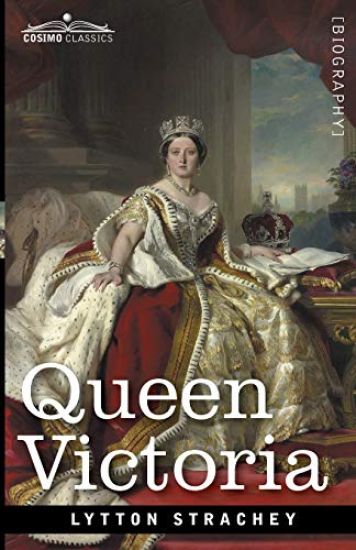
"This enchanting volume is not a history of the Victorian age but the portraiture of a woman... Strachey's work is pure art...a narrative as fresh and distinctive as some delicious perfume." -David Muzzey, Political Science Quarterly, (1922) Queen Victoria (1921) is the classic biography of Britain's greatest monarch by Lytton Strachey. Victoria (1819-1901) was Queen of the United Kingdom of Great Britain and Ireland from 1837 until her death. In addition, she was Empress of India beginning in 1876. With her reign of 63 years, she gave her name to an era, the Victorian age. This was a period of expansion of the British Empire, and industrial, scientific, political, cultural, and military change.Queen Victoria was awarded the "James Tait Black Memorial Prize," one of Britain's oldest literary awards.

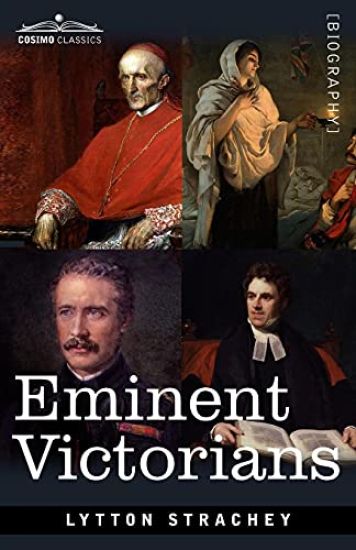
Eminent Victorians: Cardinal Manning, Florence Nightingale, Dr. Arnold and General Gordon
Lytton Strachey
Cosimo Classics
2020
nidottu
"It is brilliant, delicious, exquisitely civilized. I enjoyed as much as any the Gordon, which alone was quite new to me." -Bertrand Russell (1918) Eminent Victorians-Cardinal Manning, Florence Nightingale, Dr. Thomas Arnold and General Gordon (1918) is a collection of short biographies of four leading personalities of the Victorian era by Lytton Strachey. This book would transform the art of biography by taking aim at these heroes of the Victorian age, instead of showing the customary adulation of biographies. Although Strachey's writing displeased some conventional readers, many considered it brilliant. He opened a new period in biography writing.


A Guide to Hospitals and Nursing - A Collection of Writings and Excerpts
Florence Nightingale; Lytton Strachey
Brilliant Women - Read Co.
2020
pokkari
Florence Nightingale (1820-1910) was an English social reformer, statistician, and pioneer of modern nursing. She became famous during the time she served as manager and trainer of nurses during the Crimean War, giving nursing a positive reputation and becoming a Victorian culture icon. Also known as "The Lady with the Lamp", she was an accomplished writer who produced a large corpus of work related to medical knowledge. A great example of such writing is "Guide To Hospitals And Nursing", within which Nightingale outlines some key principles of nursing with a particular focus on nursing for the poor and underprivileged. Highly recommended for those with an interest in the history and development of nursing and not to be missed by the discerning collector. Contents include: "Florence Nightingale, By Lytton Strachey", "Suggestions On A System Of Nursing For Hospitals In India", "Trained Nursing For The Sick Poor", "Workhouse Nursing - The Story Of A Successful Experiment", "Amy Sanitary Administration, and Its Reform Under The Late Lord Herbert", "Health Teaching In Towns And Villages. Rural Hygiene", etc. Other notable works by this author include: "Notes on Nursing: What Nursing Is, What Nursing is Not" (1859), "Suggestions for Thought" (1860), and "Una and the Lion" (1871).This classic work is being republished now in a new edition complete with an introductory chapter by Lytton Strachey.