Kirjojen hintavertailu. Mukana 12 524 805 kirjaa ja 12 kauppaa.
Kirjailija
Maaret Koskinen
Kirjat ja teokset yhdessä paikassa: 11 kirjaa, julkaisuja vuosilta 2007-2023, suosituimpien joukossa Ingmar Bergman's the Silence. Vertaile teosten hintoja ja tarkista saatavuus suomalaisista kirjakaupoista.
Isak Hammar; Ulf Zander; Therése Anderson; Tomas Axelson; Lovisa Brännstedt; Fredrik Ekengren; Maria Gagnesjö; Dick Harrison; Erik Hedling; Maaret Koskinen; Ing-Marie Nilsson; Michael Tapper; Cecilia Trenter; Frederick Whitling; Ida Östenberg
Antiken har lockat filmmakare alltsedan filmens barndom. Men hur har antiken skildrats i olika tider och medier? I Svärd, sandaler och skandaler undersöker en rad skribenter från olika ämnen de uttryck antiken har tagit sig på film och i tv. Boken är den första i sitt slag på svenska. I fem avdelningar behandlas relationen mellan den antika historien och dess sentida gestaltningar i rörliga bilder, alltifrån filmens tidiga glansdagar kring år 1900 till dagens tv-skildringar. Långt ifrån alltid är det historieskrivning eller litteratur om antiken som har bestämt hur epoken framställts i visuella medier. Till exempel har scenografi och kläder bidragit till att prägla föreställningar om vad som utmärkte antiken. Epoken har även använts i politiska och ideologiska syften. Exempelvis har Noa, Leonidas, Scipio Africanus och kung Arthur varit föremål för omtolkningar som syftat till att fylla dagspolitiska behov i fascismens Italien, efterkrigstidens USA eller det unga 2000-talets Storbritannien. Svärd, sandaler och skandaler vänder sig främst till studenter och forskare i humanistiska ämnen som historia och arkeologi samt antik-, film- och religionsvetenskap, men är givetvis intressant för alla som är intresserade av hur dåtiden gestaltas i rörliga bilder.
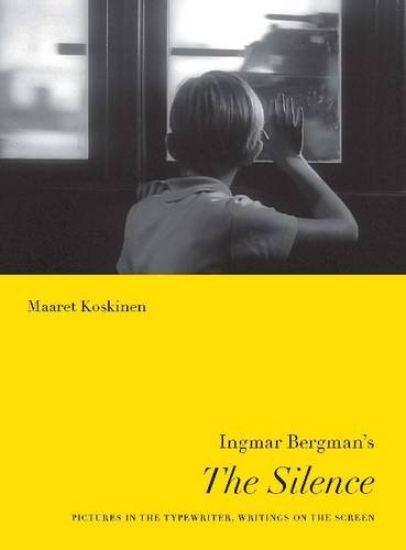
Ingmar Bergman's 1963 film The Silence was made at a point in his career when his stature as one of the great art-film directors allowed him to push beyond the boundaries of what was acceptable to censorship boards in Sweden and the United States. The film's depiction of sexuality was, as Judith Crist wrote at the time in the New York Herald-Tribune, "not for the prudish." Yet Bergman's notebooks and screenplays reveal his tendency for self-censorship, both to dampen the literary quality of his screenwriting and to alter portions of the script that Bergman ultimately deemed too provocative.Maaret Koskinen, a professor of cinema studies and film critic for Sweden's largest national daily newspaper, was the first scholar given access to Bergman's private papers during the last years of his life. Bergman's notebooks reveal the difficulties he experienced in writing for the medium of moving images and his meditations on the relationship (or its lack) between moving images and the spoken or written word. Koskinen's attention to this intermedial framework is anchored in a close reading of the film, focusing on the many-faceted relationships between images and dialogue, music, sound, and silence.The Silence offers filmgoers an entryway into the cinematic, cultural, and sociopolitical issues of its time, but remains a classic - rich enough for scrutiny from a variety of perspectives and methodologies. Koskinen draws a picture of Bergman that challenges the traditional view of him as an auteur, revealing his attempts to overcome his own image as a creator of serious art films by making his work relevant to a new generation of filmgoers. Her exploration of the film touches on issues of censorship and the cinema of small nations, while shedding new light on the shifting views of Bergman and auteurist film, high art, and popular culture.
In the aftermath of the MeToo movement, during an ongoing pandemic, and in the midst of repeated demands for a 50/50 split between men and women in above-the-line positions, this book analyzes and interrogates the politics of gender focusing on the Swedish film industry, often considered to be the most "gender equal" film industry worldwide. While this gender equality (with a considerable proportion of women behind the camera) is much due to policies carried out of the state-funded Swedish Film Institute, women filmmakers in Sweden still struggle with the same problems as do women in other national film industries. These problems entail having smaller production and distribution budgets than men and working in an environment involving recurring scandals of gender discrimination and sexual harassment. This open access book looks behind the statistics and explores the often complex cultural, legal, and political conditions under which women have entered a male-dominated industry and discusses women’s strategies and efforts to promote change while providing evidence on how women’s presence has challenged the industry by provoking critical reactions and introducing new ways to portray women on screen. Using a wide range of different sources (e.g. archival material, laws, contracts, films, biographical materials, and interviews), the book tells the history of the rise of gender equality efforts undertaken by the Swedish Film Institute and investigates women’s possibilities to manage the rights to their work. It offers compelling portraits of pioneering women who have worked in or in relation to the industry and looks at the experiences of women currently working in the film industry.The ebook editions of this book are available open access under a CC BY-NC-ND 4.0 licence on bloomsburycollections.com. Open access was funded by Örebro universitet.
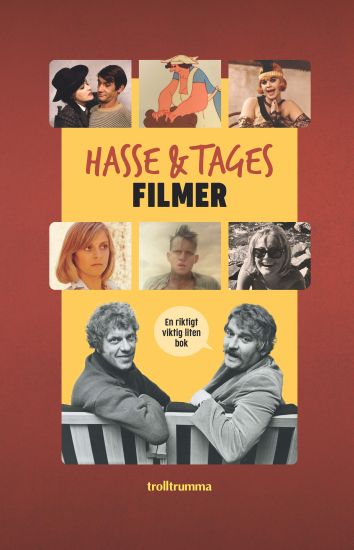
Med sina revyer, filmer och böcker var Hasse & Tage (& Co, för den delen!) inte bara nyskapande humorister, de satte också sin varma och omisskännliga prägel på folkhemmet och dess invånare. Kritiskt, poetiskt och kärleksfullt. Man kan kanske rentav hävda att de blev som familjemedlemmar för mången svensk framför dumburken och filmduken. Något samlat grepp om deras filmer har aldrig tagits. Det råder vi bot på här. Hög tid! Vi har samlat ett gäng skarpa pennor, från skilda fält och håll, medverkande i, som vi tänker och tror, samma brokiga anda som herrarna Alfredson och Danielsson själva. Dessutom bjuds på ett rikt och unikt bildmaterial -- med många tidigare aldrig publicerade foton, från inspelningar och andra underbarheter.
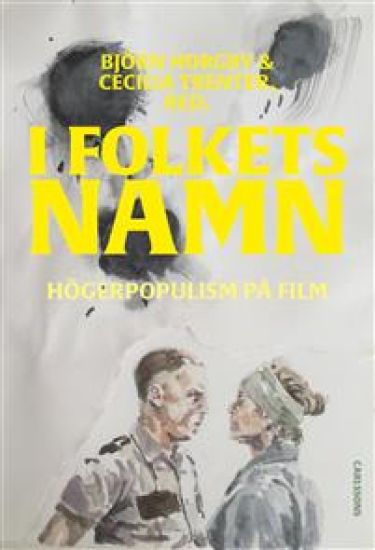
Högerpopulism på bild "Det är i det rumsrena och vid en första anblick oskyldiga lekandet med identiteter, känslor och behov som högerpopulismens budskap formas och sprids. Det är därför relevant att se närmare på hur spelfilmer och dokumentärer med högerpopulistiskt innehåll ser ut i en rad praktiska och empiriska exempel."Så uttrycker sig bokens redaktörer för att fånga relevansen i antologins brett formulerade anslag om högerpopulism i film. I boken medverkar historiker och filmvetare med analyser av hur filmer gestaltar och förmedlar folkets förmenta vilja; genus, våld och frihet; populism i politiska partiers historiebruk; identitet och gemenskaper i centrum och periferi, nationellt laddade landskap i svenska filmer; förintelseförnekelse, vetenskapsförakt och fascistoida fantasier. Forskning om högerpopulism är långt ifrån ett nytt område, men antologin bidrar genom att granska högerpopulistiska budskap i ett ofta förbigånget opinionsbildande material. Bokens huvudredaktörer är Björn Horgby och Cecilia Trenter. Medverkande skribenter är Jimmy Engren, Christer Ericsson, Erik Hedling, Björn Horgby, Julia Håkansson, Eva Kingsepp, Maaret Koskinen, Tytti Soila, Cecilia Trenter och Ulf Zander.
Maaret Koskinen; Louise Wallenberg; Henrik Berggren; Ellis Cashmore; Stig Holmqvist; Åke Lundqvist; Anders Mellbourn; Åsa Moberg; Per Vesterlund; Jannike Åhlund
Harry Schein var en lika offentlig som komplex person, en celebritet och makthavare. Forskare beskriver honom som en biografisk legend en mediernas man, men samtidigt den som formade bilden av sig själv.Harry bit för bit Harry Scheins många ansikten presenterar, diskuterar och analyserar en offentlig person som satte ett tydligt avtryck i den tid han levde, ja även många år efter sin död. Det fanns inte särskilt många som han. Harry stod nära den politiska makten, eller var en del av den. Hans betydelse för svensk filmpolitik under decennier kan knappast övervärderas. Han spelade tennis med Olof Palme, hans relationer till Ingmar Bergman och Ingvar Carlsson var lika välbekanta som hans förhållanden till hustrun Ingrid Thulin och till en rad andra fria och självständiga kvinnor. Själv anlände han som ensam tonåring från en judisk miljö i ett Europa som stod på randen till andra världskriget. I det nya landet bröt han sin egen väg och hann skapa en förmögenhet som uppfinnare. Därpå beträdde han den synliga arenan som debattör, författare, kolumnist, administratör, fri intellektuell och mycket annat. Scheins många sidor belyses i boken av en rad kunniga personer, många med direkta personliga minnen av honom. Boken är generöst illustrerad av fotografier, en del av dem inte tidigare visade. Maaret Koskinen, professor och filmkritiker, och Luise Wallenberg, docent i filmvetenskap och modeforskare, är bokens redaktörer och initiativtagare. Övriga medverkande är: Henrik Berggren, Ellis Cashmore, Eva Fischer, Stig Holmqvist, Åke Lundqvist, Anders Mellbourn, Åsa Moberg, Svante Nycander, Liv Ullmann, Per Vesterlund och Jannike Åhlund.
Offers an entryway into the cinematic, cultural, and socio-political issues of its time, but remains a classic. This volume addresses issues of censorship and the cinema of small nations, while focusing on the shifting views of Bergman and auteurist film, high art, and popular culture.
Ingmar Bergman Revisited is a collection of new essays based on a major international symposium held in Stockholm in 2005 on the legacy of one of cinema’s most towering figures. Moving beyond simple auteurist readings of Bergman as a cinematic artist, the writings here evaluate the theatrical and literary sides of Bergman’s work to reconsider the achievements of the Swedish director, up to his last film Saraband (2003). Several essays result from research in Bergman’s own personal archive, and amongst the subjects discussed are Bergman’s stage adaptations of Shakespeare, his fascination with still photography and issues of identity, and the influence of philosophy and psychology on his work. With contributors including Thomas Elsaesser, Birgitta Steene, John Orr, Janet Staiger and Paisley Livingston, and a prologue written by Liv Ullmann, Ingmar Bergman Revisited forms a landmark study of one of Sweden’s great cultural icons, emphasising how Bergman should be understood with reference to an eclectic range of his artistic interests.
Ingmar Bergman is undoubtedly one of the best known Swedes in the world. He is widely regarded as one of the foremost filmmakers in cinematic history and has directed more than 40 feature-length films. Among those known around the world are The Seventh Seal, The Silence, Wild Strawberries, Persona and especially his last film, Fanny and Alexander.This book provides an overview of his impressive film production and numerous innovative theatrical productions and Bergman as author.
Ingmar Bergman's 1963 film The Silence was made at a point in his career when his stature as one of the great art-film directors allowed him to push beyond the boundaries of what was acceptable to censorship boards in Sweden and the United States. The film's depiction of sexuality was, as Judith Crist wrote at the time in the New York Herald-Tribune, "not for the prudish." Yet Bergman's notebooks and screenplays reveal his tendency for self-censorship, both to dampen the literary quality of his screenwriting and to alter portions of the script that Bergman ultimately deemed too provocative. Maaret Koskinen, a professor of cinema studies and film critic for Sweden's largest national daily newspaper, was the first scholar given access to Bergman's private papers during the last years of his life. Bergman's notebooks reveal the difficulties he experienced in writing for the medium of moving images and his meditations on the relationship (or its lack) between moving images and the spoken or written word. Koskinen's attention to this intermedial framework is anchored in a close reading of the film, focusing on the many-faceted relationships between images and dialogue, music, sound, and silence. The Silence offers filmgoers an entryway into the cinematic, cultural, and sociopolitical issues of its time, but remains a classic - rich enough for scrutiny from a variety of perspectives and methodologies. Koskinen draws a picture of Bergman that challenges the traditional view of him as an auteur, revealing his attempts to overcome his own image as a creator of serious art films by making his work relevant to a new generation of filmgoers. Her exploration of the film touches on issues of censorship and the cinema of small nations, while shedding new light on the shifting views of Bergman and auteurist film, high art, and popular culture.