Kirjojen hintavertailu. Mukana 12 390 323 kirjaa ja 12 kauppaa.

Kirjailija

Malcolm Barnard

Kirjat ja teokset yhdessä paikassa: 12 kirjaa, julkaisuja vuosilta 1998-2020, suosituimpien joukossa Approaches to Understanding Visual Culture. Vertaile teosten hintoja ja tarkista saatavuus suomalaisista kirjakaupoista.

12 kirjaa

Kirjojen julkaisuhaarukka 1998-2020.

Fashion Theory

Fashion Theory

Malcolm Barnard

Routledge
2020
nidottu
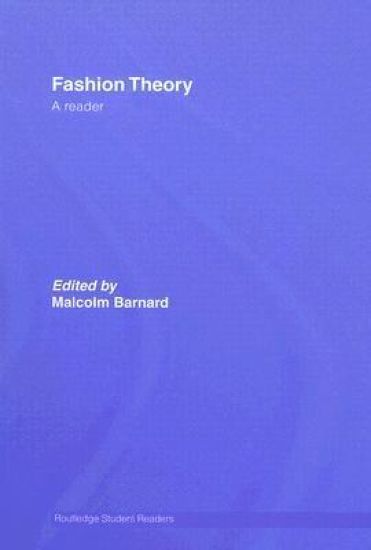
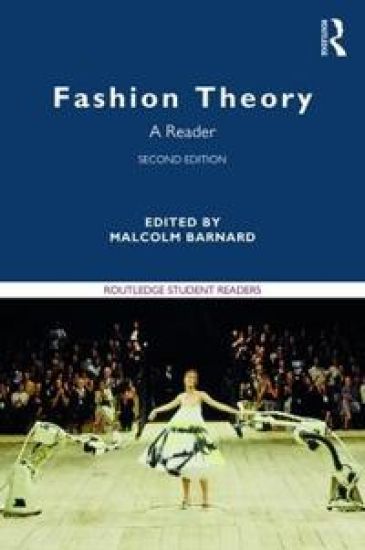
This thoroughly revised and updated edition of Fashion Theory: A Reader brings together and presents a wide range of essays on fashion theory that will engage and inform both the general reader and the specialist student of fashion. From apparently simple and accessible theories concerning what fashion is to seemingly more difficult or challenging theories concerning globalisation and new media, this collection contextualises different theoretical approaches to identify, analyse and explain the remarkable diversity, complexity and beauty of what we understand and experience every day as fashion and clothing.This second edition contains entirely new sections on fashion and sustainability, fashion and globalisation, fashion and digital/social media and fashion and the body/prosthesis. It also contains updated and revised sections on fashion, identity and difference, and on fashion and consumption and fashion as communication. More specifically, the section on identity and difference has been updated to include contemporary theoretical debates surrounding Islam and fashion, and LGBT+ communities and fashion and the section on consumption now includes theories of 'prosumption'. Each section has a specialist and dedicated Editor's Introduction which provides essential conceptual background, theoretical contextualisation and critical summaries of the readings in each section.Bringing together the most influential and ground breaking writers on fashion and exposing the ideas and theories behind what they say, this unique collection of extracts and essays brings to light the presuppositions involved in the things we all think and say about fashion. This second edition of Fashion Theory: A Reader is a timeless and invaluable resource for both the general reader and undergraduate students across a range of disciplines including sociology, cultural studies and fashion studies.

Fashion Theory

Fashion Theory

Malcolm Barnard

Routledge
2020
sidottu
This thoroughly revised and updated edition of Fashion Theory: A Reader brings together and presents a wide range of essays on fashion theory that will engage and inform both the general reader and the specialist student of fashion. From apparently simple and accessible theories concerning what fashion is to seemingly more difficult or challenging theories concerning globalisation and new media, this collection contextualises different theoretical approaches to identify, analyse and explain the remarkable diversity, complexity and beauty of what we understand and experience every day as fashion and clothing.This second edition contains entirely new sections on fashion and sustainability, fashion and globalisation, fashion and digital/social media and fashion and the body/prosthesis. It also contains updated and revised sections on fashion, identity and difference, and on fashion and consumption and fashion as communication. More specifically, the section on identity and difference has been updated to include contemporary theoretical debates surrounding Islam and fashion, and LGBT+ communities and fashion and the section on consumption now includes theories of 'prosumption'. Each section has a specialist and dedicated Editor's Introduction which provides essential conceptual background, theoretical contextualisation and critical summaries of the readings in each section.Bringing together the most influential and ground breaking writers on fashion and exposing the ideas and theories behind what they say, this unique collection of extracts and essays brings to light the presuppositions involved in the things we all think and say about fashion. This second edition of Fashion Theory: A Reader is a timeless and invaluable resource for both the general reader and undergraduate students across a range of disciplines including sociology, cultural studies and fashion studies.

Fashion Theory

Fashion Theory

Malcolm Barnard

Routledge
2014
sidottu
Fashion is both big business and big news. From models’ eating disorders and sweated labour to the glamour of a new season's trends, statements and arguments about fashion and the fashion industry can be found in every newspaper, consumer website and fashion blog. Books which define, analyse and explain the nature, production and consumption of fashion in terms of one theory or another abound. But what are the theories that run through all of these analyses, and how can they help us to understand fashion and clothing? Fashion Theory: an introduction explains some of the most influential and important theories on fashion: it brings to light the presuppositions involved in the things we think and say about fashion every day and shows how they depend on those theories. This clear, accessible introduction contextualises and critiques the ways in which a wide range of disciplines have used different theoretical approaches to explain – and sometimes to explain away – the astonishing variety, complexity and beauty of fashion. Through engaging examples and case studies, this book explores: fashion and clothing in historyfashion and clothing as communicationfashion as identityfashion, clothing and the bodyproduction and consumptionfashion, globalization and colonialismfashion, fetish and the erotic.This book will be an invaluable resource for students of cultural studies, sociology, gender studies, fashion design, textiles or the advertising, marketing and manufacturing of clothes.
Fashion Theory

Fashion Theory

Malcolm Barnard

Routledge
2014
nidottu
Fashion is both big business and big news. From models’ eating disorders and sweated labour to the glamour of a new season's trends, statements and arguments about fashion and the fashion industry can be found in every newspaper, consumer website and fashion blog. Books which define, analyse and explain the nature, production and consumption of fashion in terms of one theory or another abound. But what are the theories that run through all of these analyses, and how can they help us to understand fashion and clothing? Fashion Theory: an introduction explains some of the most influential and important theories on fashion: it brings to light the presuppositions involved in the things we think and say about fashion every day and shows how they depend on those theories. This clear, accessible introduction contextualises and critiques the ways in which a wide range of disciplines have used different theoretical approaches to explain – and sometimes to explain away – the astonishing variety, complexity and beauty of fashion. Through engaging examples and case studies, this book explores: fashion and clothing in historyfashion and clothing as communicationfashion as identityfashion, clothing and the bodyproduction and consumptionfashion, globalization and colonialismfashion, fetish and the erotic.This book will be an invaluable resource for students of cultural studies, sociology, gender studies, fashion design, textiles or the advertising, marketing and manufacturing of clothes.
Fashion Theory

Fashion Theory

Malcolm Barnard

Routledge
2007
sidottu
From its beginnings in the fifteenth century, intensified interest in fashion and the study of fashion over the last thirty years has led to a vast and varied literature on the subject. This collection of essays surveys and contextualizes the ways in which a wide range of disciplines have used a variety of theoretical approaches to explain, and sometimes to explain away, the astonishing variety, complexity and beauty of fashion. Themes covered include individual, social and gender identity, the erotic, consumption and communication. By collecting together some of the most influential and important writers on fashion and exposing the ideas and theories behind what they say, this unique collection of extracts and essays brings to light the presuppositions involved in the things we think and say about fashion.
Graphic Design as Communication

Graphic Design as Communication

Malcolm Barnard

Routledge
2005
nidottu
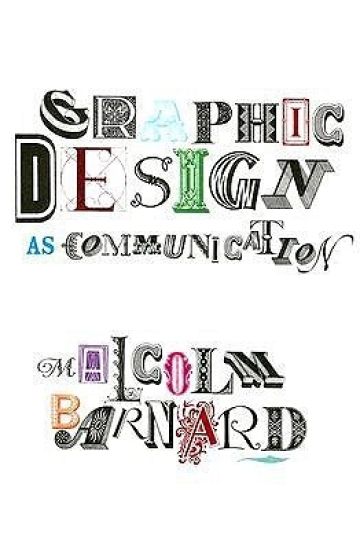
What is the point of graphic design? Is it advertising or is it art? What purpose does it serve in our society and culture? Malcolm Barnard explores how meaning and identity are at the core of every graphic design project and argues that the role and function of graphic design is, and always has been, communication. Drawing on a range of theoretical approaches including those of Derrida, Saussure, Foucault, and Barthes, and taking examples from advertising, magazines, illustration, website design, comics, greetings cards and packaging, Graphic Design as Communication looks at how graphic design contributes to the formation of social and cultural identities. Malcolm Barnard discusses the ways in which racial/ethnic groups, age groups and gender groups are represented in graphic design, as well as how images and texts communicate with different cultural groups. He also explores how graphic design relates to both European and American modernism, and its relevance to postmodernism and globalisation in the twenty-first century and asks why, when graphic design is such an integral part of our society and culture, it is not acknowledged and understood in the same way that art is.
Graphic Design as Communication

Graphic Design as Communication

Malcolm Barnard

Routledge
2005
sidottu
What is the point of graphic design? Is it advertising or is it art? What purpose does it serve in our society and culture? Malcolm Barnard explores how meaning and identity are at the core of every graphic design project and argues that the role and function of graphic design is, and always has been, communication. Drawing on a range of theoretical approaches including those of Derrida, Saussure, Foucault, and Barthes, and taking examples from advertising, magazines, illustration, website design, comics, greetings cards and packaging, Graphic Design as Communication looks at how graphic design contributes to the formation of social and cultural identities. Malcolm Barnard discusses the ways in which racial/ethnic groups, age groups and gender groups are represented in graphic design, as well as how images and texts communicate with different cultural groups. He also explores how graphic design relates to both European and American modernism, and its relevance to postmodernism and globalisation in the twenty-first century and asks why, when graphic design is such an integral part of our society and culture, it is not acknowledged and understood in the same way that art is.
Fashion as Communication

Fashion as Communication

Malcolm Barnard

Routledge
2002
sidottu
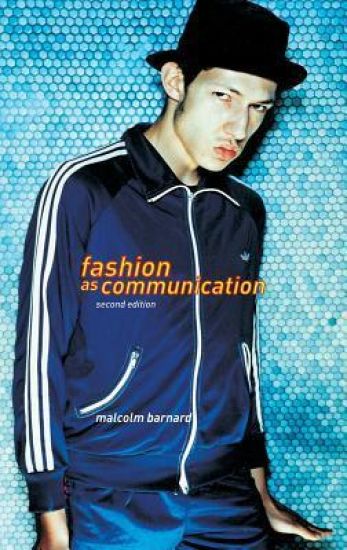
What kinds of things do fashion and clothing say about us? What does it mean to wear Gap or Gaultier, Milletts or Moschino? Are there any real differences between Hip-Hop style and Punk anti-styles? In this fully revised and updated edition, Malcolm Barnard introduces fashion and clothing as ways of communicating and challenging class, gender, sexual and social identities. Drawing on a range of theoretical approaches from Barthes and Baudrillard to Marxist, psychoanalytic and feminist theory, Barnard addresses the ambivalent status of fashion in contemporary culture.
Fashion as Communication

Fashion as Communication

Malcolm Barnard

Routledge
2002
nidottu
What kinds of things do fashion and clothing say about us? What does it mean to wear Gap or Gaultier, Milletts or Moschino? Are there any real differences between Hip-Hop style and Punk anti-styles? In this fully revised and updated edition, Malcolm Barnard introduces fashion and clothing as ways of communicating and challenging class, gender, sexual and social identities. Drawing on a range of theoretical approaches from Barthes and Baudrillard to Marxist, psychoanalytic and feminist theory, Barnard addresses the ambivalent status of fashion in contemporary culture.
Approaches to Understanding Visual Culture

Approaches to Understanding Visual Culture

Malcolm Barnard

Red Globe Press
2001
nidottu
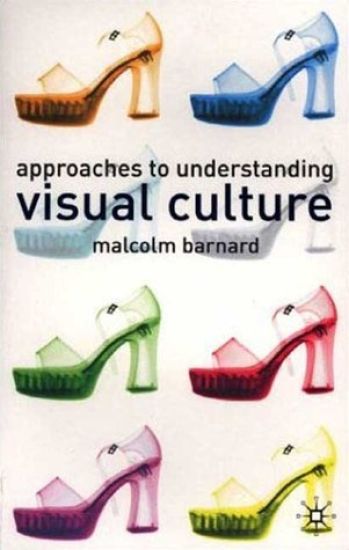
This text provides an accessible critical introduction to a variety of different analytic strategies for understanding the range of objects (paintings, sculpture, adverts, furniture, textiles, photography, fashion, etc.) that make up visual culture. Beginning with a discussion of what understanding can be taken to mean in relation to visual culture, it devotes separate chapters to different approaches to its study, using carefully chosen examples to illustrate the strengths and weaknesses of these. The major figures associated with particular analytic strategies (Hebdige, Panofsky, Barthes, Wolff, etc.) are critically discussed throughout. Alternative, more advanced readings are also explored and crucial questions posed, such as 'Are we always, or ever, in control of our understanding?'
Art, Design and Visual Culture

Art, Design and Visual Culture

Malcolm Barnard

Red Globe Press
1998
sidottu
Most of our expereince is visual. We obtain most of our information and knowledge through sight, whether from reading books and newspapers, from watching television or from quickly glimpsing road signs. Many of our judgements and decisions, concerning where we live, what we shall drive and sit on and what we wear, are based on what places, cars, furniture and clothes look like. Much of our entertainment and recreation is visual, whether we visit art galleries, cinemas or read comics. This book concerns that visual experience. Why do we have the visual experiences we have? Why do the buildings, cars, products and advertisements we see look the way they do? How are we to explain the existence of different styles of paintings, different types of cars and different genres of film? How are we to explain the existence of different visual cultures? This book begins to answer these questions by explaining visual experience in terms of visual culture. The strengths and weaknesses of traditional means of analysing and explaining visual culture are examined and assessed. Using a wide range of historical and contemporary examples, it is argued that the groups which artists and designers form, the audiences and markets which they sell to, and the different social classes which are produced and reproduced by art and design are all part of the successful explanation and critical evaluation of visual culture.
Art, Design and Visual Culture

Art, Design and Visual Culture

Malcolm Barnard

Red Globe Press
1998
nidottu
Most of our expereince is visual. We obtain most of our information and knowledge through sight, whether from reading books and newspapers, from watching television or from quickly glimpsing road signs. Many of our judgements and decisions, concerning where we live, what we shall drive and sit on and what we wear, are based on what places, cars, furniture and clothes look like. Much of our entertainment and recreation is visual, whether we visit art galleries, cinemas or read comics. This book concerns that visual experience. Why do we have the visual experiences we have? Why do the buildings, cars, products and advertisements we see look the way they do? How are we to explain the existence of different styles of paintings, different types of cars and different genres of film? How are we to explain the existence of different visual cultures? This book begins to answer these questions by explaining visual experience in terms of visual culture. The strengths and weaknesses of traditional means of analysing and explaining visual culture are examined and assessed. Using a wide range of historical and contemporary examples, it is argued that the groups which artists and designers form, the audiences and markets which they sell to, and the different social classes which are produced and reproduced by art and design are all part of the successful explanation and critical evaluation of visual culture.