Kirjailija
Malcolm Guite
Kirjat ja teokset yhdessä paikassa: 44 kirjaa, julkaisuja vuosilta 2006-2026, suosituimpien joukossa Reflections for Daily Prayer. Vertaile teosten hintoja ja tarkista saatavuus suomalaisista kirjakaupoista.
44 kirjaa
Kirjojen julkaisuhaarukka 2006-2026.
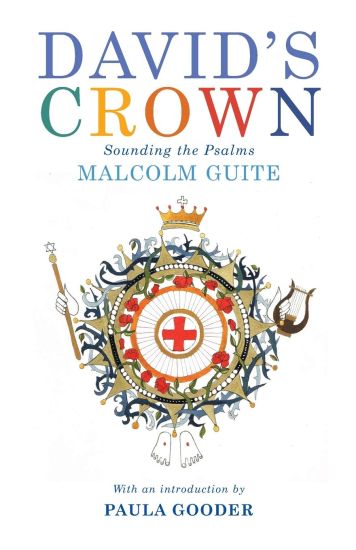
As well as the name of a virus, a corona is a crown, the pearly glow around the sun in certain astronomical conditions and a poetic form where interlinking lines connect a sequence. It is the perfect name therefore for this new collection of 150 poems by the bestselling poet Malcolm Guite, each one written in response to the Bible’s 150 psalms as they appear in William Coverdale’s timeless translation. The Psalms express every human emotion with disarming honesty, as anger and thankfulness alike are directed at God. All of life is here with its moments of beauty and its times of despair and shame. Like the Psalms themselves, the poems do not avoid the cursing and glorying over the downfall of your enemies, but wrestle honestly with them as we do when we come to say them.
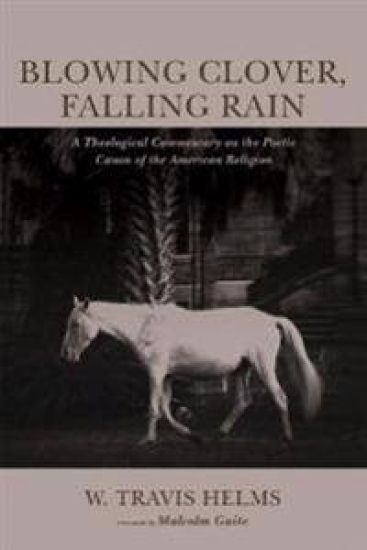
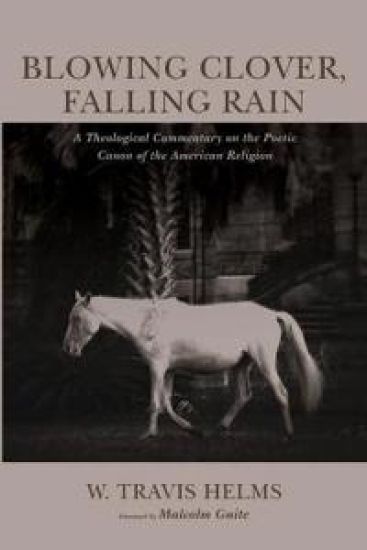
The field of theopoetics explores the ways in which we ""make God"" (present)--particularly through language. This book explores questions of theopoetics as they relate to the central poetry of the American Sublime. It offers a fresh, theological engagement with what literary critic Harold Bloom terms the American religion (transcendentalism: Emerson's homespun mysticism). Specifically, it seeks to rehabilitate Emerson's concept of self-reliance from the charge of gross egoism, by situating it in the context of normative mysticisms Eastern and Western. It undertakes a more poetic approach to reading theologically-inflected poetry, by exegeting four poets collectively constituting Bloom's American religious ""canon"" Ralph Waldo Emerson, Walt Whitman, Wallace Stevens, and Hart Crane. It utilizes a modified version of the ancient fourfold allegorical mode of reading Scripture, to draw out theological dimensions of four quintessential texts (Nature, ""Song of Myself,"" ""Sunday Morning,"" ""Lachrymae Christi""), in order to offer a more imaginative way of reading imaginative writing. Building on Emerson's contention, ""just as there is creative writing, there is creative reading,"" and Bloom's claim, ""a theory of poetry . . . must be poetry, before it can be of any use in interpreting poems,"" it demonstrates the unique, viable ways in which poems are able to ""do"" theology--and perform or embody theopoetic truths.
The field of theopoetics explores the ways in which we ""make God"" (present)--particularly through language. This book explores questions of theopoetics as they relate to the central poetry of the American Sublime. It offers a fresh, theological engagement with what literary critic Harold Bloom terms the American religion (transcendentalism: Emerson's homespun mysticism). Specifically, it seeks to rehabilitate Emerson's concept of self-reliance from the charge of gross egoism, by situating it in the context of normative mysticisms Eastern and Western. It undertakes a more poetic approach to reading theologically-inflected poetry, by exegeting four poets collectively constituting Bloom's American religious ""canon"": Ralph Waldo Emerson, Walt Whitman, Wallace Stevens, and Hart Crane. It utilizes a modified version of the ancient fourfold allegorical mode of reading Scripture, to draw out theological dimensions of four quintessential texts (Nature, ""Song of Myself,"" ""Sunday Morning,"" ""Lachrymae Christi""), in order to offer a more imaginative way of reading imaginative writing. Building on Emerson's contention, ""just as there is creative writing, there is creative reading,"" and Bloom's claim, ""a theory of poetry . . . must be poetry, before it can be of any use in interpreting poems,"" it demonstrates the unique, viable ways in which poems are able to ""do"" theology--and perform or embody theopoetic truths.
Poet's Corner is Malcolm Guite's delectable column that appears on the back page of the Church Times each week. This second collection brings together more than seventy columns created from little glimpses and reflections from all corners of the country, the musings of a poet's mind, and the corners and alleyways of our literary heritage. Malcolm's lucid, perceptive and imaginative columns follow a similar pattern to the sonnets for which he is so renowned, with a sense of development, of a turn or volta part way through, and a sense that the end revisits and re-reads the opening. They draw together everyday events and encounters, landscape, journeys, poetry, stories, memory and a sense of the sacred, fusing them to create richly satisfying portraits of the familiar that at the same time open a doorway into a new and enchanted world.
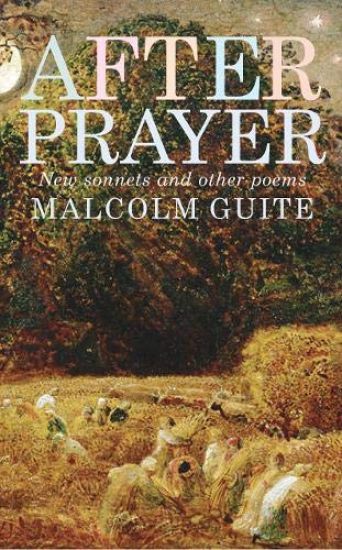
This major new poetry collection from bestselling poet and priest Malcolm Guite features more than seventy new and previously unpublished works. At the heart of this collection is a sequence of twenty seven sonnets written in response to George Herbert’s exquisite sonnet 'Prayer', each one describing prayer in an arresting metaphor such as ‘the church's banquet’, ‘reversed thunder’, ‘the Milky Way’, ‘the bird of paradise’ and ‘something understood’. In conversation with each of these, Malcolm’s sonnets offer profound insights into the nature of communion with God in all circumstances and conditions. Recognising that all poetry is a pursuit of prayer, After Prayer also includes forty five more widely ranging new poems, including a sonnet sequence on the seven heavens.
Succeeding Ronald Blythe's Word From Wormingford, one of the most beloved columns in contemporary journalism, was always going to be a formidable challenge for any writer. Yet the new occupier of the back page slot of the Church Times, the priest-poet Malcolm Guite, immediately gained the affections and loyalty of a discerning audience accustomed to literary excellence. His lucid, perceptive and imaginative musings follow a similar pattern to the sonnets for which he is so renowned. In his own words, he treats these 500 word essays 'a little in the spirit of the sonnet, with a sense of development, of a 'turn' or volta part way through, and a sense that the end revisits and re-reads the opening'. These draw together everyday events and encounters, landscape, journeys, poetry, stories, memory and a sense of the sacred, and fuses them to create richly satisfying portraits of the familiar that at the same time opens a doorway in to a new and enchanted world.
Reflections for Sundays, Year C
Stephen Cottrell; Steven Croft; Maggi Dawn; Malcolm Guite; Mark Oakley; Martyn Percy; John Pritchard; Jane Williams; Lucy Winkett
Church House Publishing
2018
nidottu
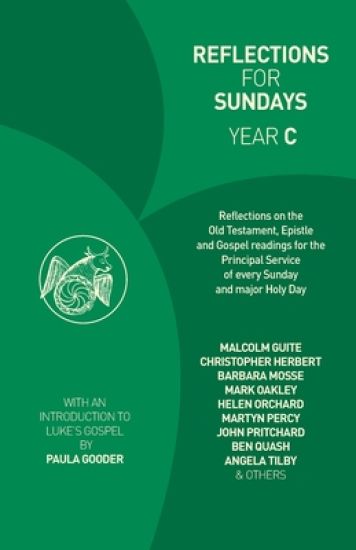
Reflections for Daily Prayer has nourished thousands of Christians for a decade with its inspiring and informed weekday Bible reflections. Now, in response to demand, Reflections for Sundays combines material from over the years with new writing to provide high-quality reflections on the Principal Readings for Sundays and major Holy Days. Contributors include some of the very best writers from across the Anglican tradition who have helped to establish it as one of the leading daily devotional volumes today. For each Sunday and major Holy Day in Year C, Reflections for Sundays offers: • full lectionary details for the Principle Service • a reflection on the Old Testament reading • a reflection on the Epistle • a reflection on the Gospel It also contains a substantial introduction to the Gospel of Luke, written by renowned Bible teacher Paula Gooder.
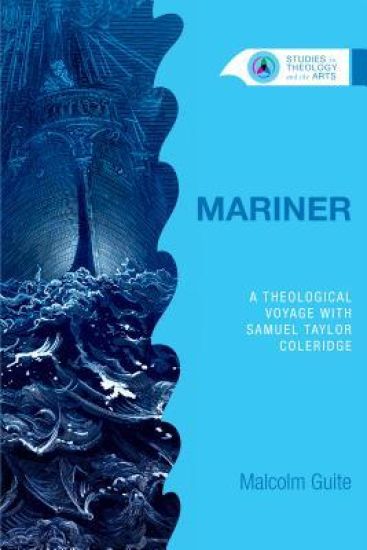
Poet and theologian Malcolm Guite leads readers on a journey with Samuel Taylor Coleridge, whose own life paralleled the experience in his famous poem "The Rime of the Ancient Mariner." On this theological voyage, Guite draws out the continuing relevance of this work and the ability of poetry to communicate the truths of humanity's fallenness, our need for grace, and the possibility of redemption.
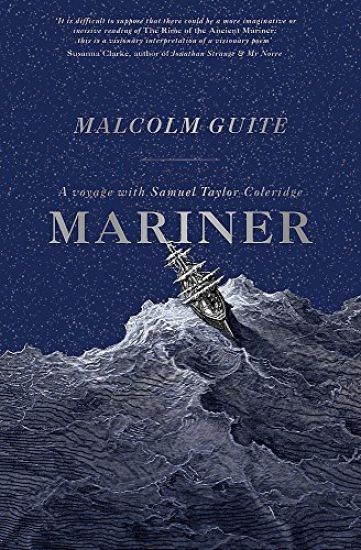
'The story of Coleridge's life does undoubtedly echo that of his poem; this is a book that provides rewarding rereadings of both' - The Sunday TimesA new biography of Samuel Taylor Coleridge, shaped and structured around the story he himself tells in his most famous poem, 'The Rime of the Ancient Mariner'. Though the 'Mariner' was written in 1797 when Coleridge was only twenty-five, it was an astonishingly prescient poem. As Coleridge himself came to realise much later, this tale - of a journey that starts in high hopes and good spirits, but leads to a profound encounter with human fallibility, darkness, alienation, loneliness and dread, before coming home to a renewal of faith and vocation - was to be the shape of his own life. In this rich new biography, academic, priest and poet Malcolm Guite draws out how with an uncanny clarity, image after image and event after event in the poem became emblems of what Coleridge was later to suffer and discover. Of course 'The Rime of the Ancient Mariner' is more than just an individual's story: it is also a profound exploration of the human condition and, as Coleridge says in his gloss, our 'loneliness and fixedness'. But the poem also offers hope, release, and recovery; and Guite also draws out the continuing relevance of Coleridge's life and writing to our own time.'Forcefully and convincingly argued' - The Telegraph
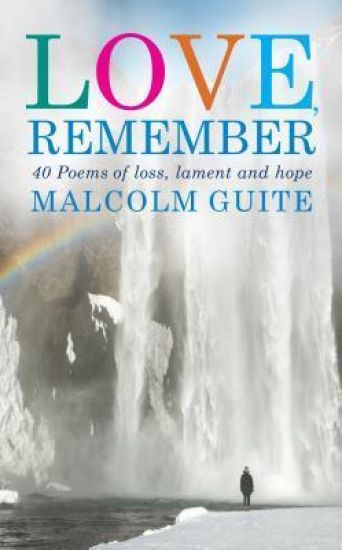
The bestselling poet Malcolm Guite chooses forty poems from across the centuries that express the universal experience of loss and reflects on them in order to draw out the comfort, understanding and hope they offer. Some of the poems will be familiar, many will be new, but together they provide a sure companion for the journey across difficult terrain. Some of Malcolm’s own poetry is included, written out of his work as a priest with the dying and the bereaved and giving to the volume a powerful authenticity. The choice of forty poems is significant and reflects an ancient practice still observed in some European and Middle Eastern societies of taking extra-special care of a bereaved person in the forty days following a death – our word quarantine come from this. They explore the nature and the risk of love, the pain of letting go and look toward glimpses of resurrection.
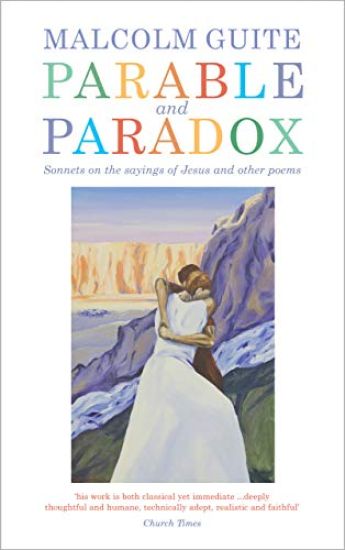
Since the publication of the bestselling Sounding the Seasons, Malcolm Guite has repeatedly been asked for more sonnets. This new collection offers a sequence of 50 sonnets that focus on many passages in the Gospels: the Beatitudes, parables and miracles, teachings on the Kingdom, and the ‘hard sayings’ - Jesus’ challenging demands with which we wrestle. In addition this collection includes: • A sequence of five sonnets on 'The Wilderness', exploring mysterious stories of divine encounter such as Jacob’s wrestling with the angel. • Poetic reflections on music, hospitality and ecology. • Seven short poems celebrating the days of creation. • A biblical index pairing the poems with scripture readings for use in worship.
Reflections for Sundays, Year A
Rosalind Brown; Steven Croft; Andrew Davison; Malcolm Guite; Mark Oakley; Sue Pickering; John Pritchard; Jane Williams
Church House Publishing
2016
nidottu
Reflections for Daily Prayer has nourished thousands of Christians for a decade with its inspiring and informed weekday Bible reflections. Now, in response to demand, Reflections for Sundays combines material from over the years with new writing to provide high-quality reflections on the Principal Readings for Sundays and major Holy Days. Contributors include some of the very best writers from across the Anglican tradition who have helped to establish it as one of the leading daily devotional volumes today. For each Sunday and major Holy Day in Year A, Reflections for Sundays offers: • full lectionary details for the Principle Service • a reflection on the Old Testament reading • a reflection on the Epistle • a reflection on the Gospel It also contains a substantial introduction to the Gospel of Matthew, written by renowned Bible teacher Paula Gooder.
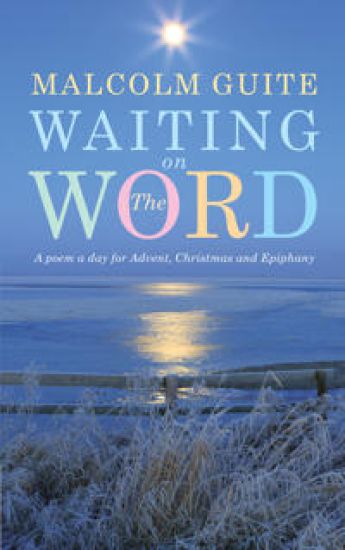
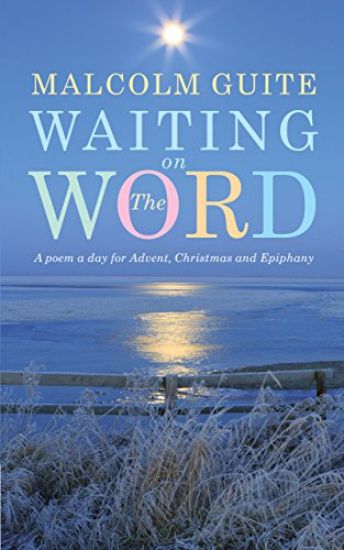
Advent is a season of waiting and anticipation in which the waiting itself is strangely rich and fulfilling. Poetry can help us fathom the depths of Advent's many paradoxes: dark and light, emptiness and fulfilment, ancient and ever new. For every day from Advent Sunday to Christmas Day and beyond, the bestselling poet Malcolm Guite chooses a favourite poem from across the Christian spiritual and English literary traditions and offers incisive seasonal reflections on it. In the spirit of the season, he blends the familiar and the new, ranging from from spiritual classics such as Edmund Spenser, John Donne, George Herbert and Christina Rossetti, to contemporary voices Luci Shaw and Scott Cairns. His own acclaimed sequence of sonnets for the great Advent antiphons are also included.
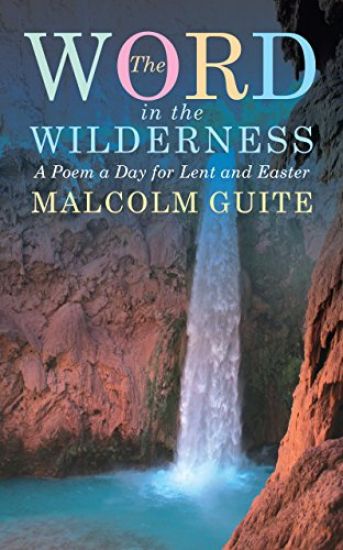
For every day from Shrove Tuesday to Easter Day, the bestselling poet Malcolm Guite chooses a favourite poem from across the Christian spiritual and English literary traditions and offers incisive seasonal reflections on it. Lent is a time to reorient ourselves, clarify our minds, slow down, recover from distraction and focus on the values of God’s kingdom. Poetry, with its power to awaken the mind, is an ideal companion for such a time. This collection enables us to turn aside from everyday routine and experience moments of transfigured vision as we journey through the desert landscape of Lent and find refreshment along the way. Following each poem with a helpful prose reflection, Malcolm Guite has selected from classical and contemporary poets, from Dante, John Donne and George Herbert to Seamus Heaney, Rowan Williams and Gillian Clarke, and his own acclaimed poetry.
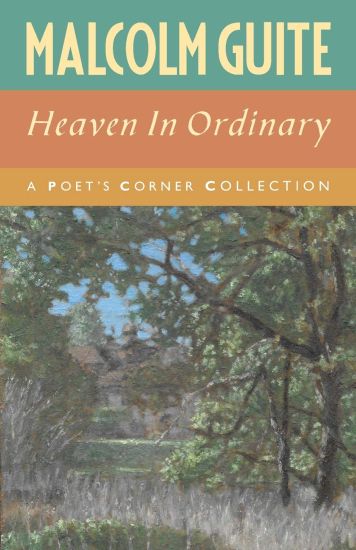
Malcolm Guite’s eagerly awaited second poetry collection includes poems that seek beauty and transfiguration in the everyday; sonnets inspired by Francis and other outstanding saints; poems centred on love, parting and mortality. A further group, ‘Word and World’, searches for the life of the spirit in the midst of modernity and includes an ode to an iPhone, while others wrestle with the problem of evil and the difficulty of prayer. Throughout, the poet seeks to celebrate the world of which he is made, find heaven in the ordinary and echo a little of its music.