Kirjojen hintavertailu. Mukana 12 595 353 kirjaa ja 12 kauppaa.

Kirjailija

Manuel Orazi

Kirjat ja teokset yhdessä paikassa: 4 kirjaa, julkaisuja vuosilta 2016-2025, suosituimpien joukossa La danseuse de Pompéï. 4e édition. Vertaile teosten hintoja ja tarkista saatavuus suomalaisista kirjakaupoista.

4 kirjaa

Kirjojen julkaisuhaarukka 2016-2025.

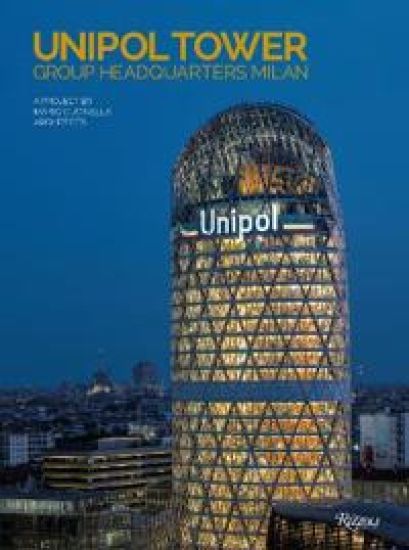
The Unipol Tower

The Unipol Tower

Manuel Orazi

RIZZOLI
2025
sidottu
Milan, on the one hand; architecture today, on the other: Unipol Tower is one of the latest projects in the city to feature a "sensory" building. Milan is growing fast and--above all--it is getting higher and higher in terms of architecture and urban development. A new tower stands out against the city skyline: the Unipol Tower designed by Mario Cucinella Architects, an internationally renowned architecture studio based in Milan and Bologna. The Unipol Tower is a 124-meter elliptical tower in the Porta Nuova area, in the heart of the city. Made from glass and steel, it has a glasshouse on the rooftop serving as a cultural venue. Commissioned by Unipol, the leading Italian insurance company, the tower looks beyond the corporate identity and headquarters of Unipol and has been acclaimed as one of the most advanced architecture projects ever created. Manuel Orazi describes the structure in terms of its conception and its inclusion within the urban context, together with the testimony of the structural engineer, Massimo Majowiecki. The creator of the building, architect Mario Cucinella, talks about its genesis. Architecture critic Jay Merrick introduces the book with a foreword.

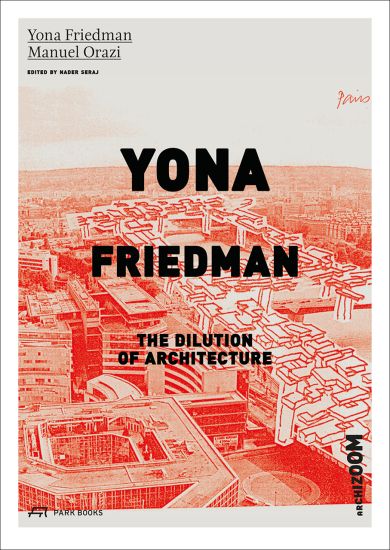
Yona Friedman. The Dilution of Architecture

Yona Friedman. The Dilution of Architecture

Yona Friedman; Manuel Orazi

Park Books
2016
nidottu
Yona Friedman is recognised as one of the most eminent proponents of 1960s avant-garde urbanism. His best-known work is the concept for a Spatial City ("La Ville Spatiale", 1956), in which he aimed to provide maximum flexibility through "megastructures" over existing cities and other locations. Inhabitants were meant to design their dwellings within these structures. Friedman sought to provide people in every part of the world with the knowledge and fundamental structures to determine their own environment for living and to enhance their independence and self-reliance. This new book offers a unique collection of brief texts and annotations as well as an abundance of images, sketches, drawings, watercolours etc. by Friedman himself. It also features a vast range of documents related to his work. In part II, Manuel Orazi gives an analysis of Friedman's oeuvre, based on extensive research. He follows the architect's progress through disciplinary and geographic areas apparently remote from one another, in which Friedman has been moving erratically and incessantly. Orazi also expands on historical, social and political contexts.A documentation of Friedman's intellectual relationships and other resources, an interview with Swiss architect Bernard Tschumi about Friedman, and a comprehensive bibliography round out the book.