Kirjojen hintavertailu. Mukana 12 595 353 kirjaa ja 12 kauppaa.

Kirjailija

Marcella Althaus-Reid

Kirjat ja teokset yhdessä paikassa: 7 kirjaa, julkaisuja vuosilta 2000-2009, suosituimpien joukossa Indecent Theology. Vertaile teosten hintoja ja tarkista saatavuus suomalaisista kirjakaupoista.

7 kirjaa

Kirjojen julkaisuhaarukka 2000-2009.

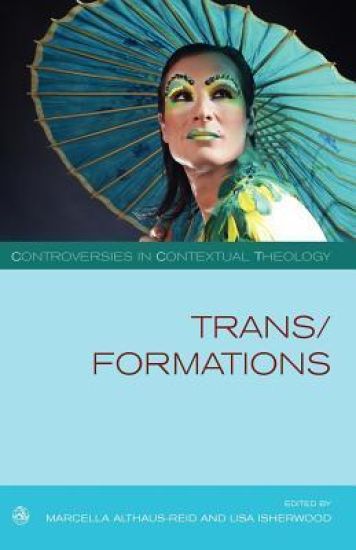
Trans/Formations

Trans/Formations

Marcella Althaus-Reid; Lisa Isherwood

SCM Press
2009
nidottu
Trans/formations is a new addition to "SCM's Controversies in Contextual Theology" series. Like anything coming from Marcella Althaus-Reid and Lisa Isherwood, it is controversial and challenging as well as highly original. The book will: make visible a range of trans lived experience [transgendered and transsexual], offer theological reflection on these experiences, create challenging theology from this experiential base, and provide a resource for churches and theology students not to date available. It includes an excellent range of contributors, including Elizabeth Stuart and Virginia Ramey Mollenkott. This is a valuable addition to reading lists of courses on religion, gender and the body.
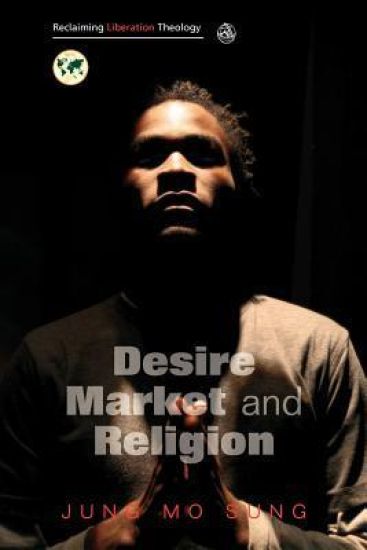
Desire, Market and Religion

Desire, Market and Religion

Jung Mo Sung; Marcella Althaus-Reid; Ivan Petrella

SCM Press
2007
nidottu
Jung Mo Sung has pioneered a theological analysis of economics in his previous publications, developing a penetrating ethico-religious critique of the international capitalist systems, whose institutions he likens to altars. Where ancient idolatry had visible altars, the modern altar of the ‘global market god’, is invisible, but still demands human sacrifices in the name of ‘objective’ desires. Here Sung recovers theology’s relevance for a world where the most dangerous idols – those that sacrifice millions of people upon the altar of wealth – have for too long been ignored by theology. Desire, Market, Religion, Sung investigates themes such as the struggle against social exclusion, the relationship between economics and religion in the 21 century, where global brands and global economies reigns supreme, and theology’s role in the struggle against social exclusion and the giving of hope for plenty, when the reality is scarcity.
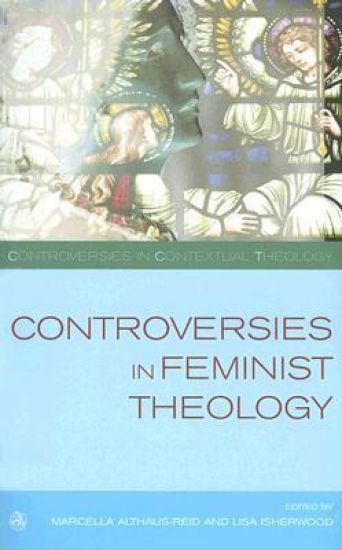
Controversies in Feminist Theologies

Controversies in Feminist Theologies

Marcella Althaus-Reid; Lisa Isherwood

SCM Press
2007
nidottu
Controversies in Feminist Theologies is a clear and accessible analysis of the current controversies within feminist theologies. It uses many of the themes of systematic theology to examine whether feminist theology has a future or whether its discourse and praxis has become bankrupt. The authors expand this question through an examination of whether the whole project of systematic theology has become outmoded. The book is the first to expose the myth of homogeneity and some of the common stereotypes and myths surrounding Feminist Theologies, from a methodological and thematic perspective. It addresses current stereotypes built around North Atlantic and Third World feminist theology, including issues concerning Mariology, the use of the Bible and the centrality of women's experiences in feminist praxis, while highlighting the richness of different and at times opposite positions in the debates of theology, gender and sexuality.
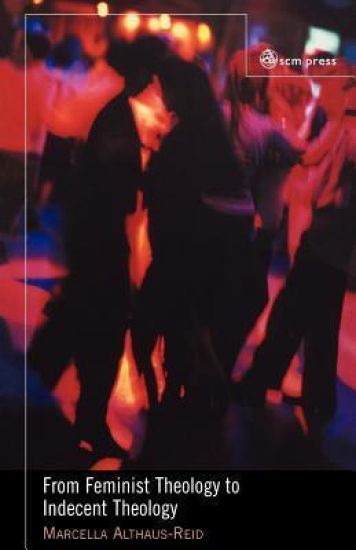
From Feminist Theology to Indecent Theology

From Feminist Theology to Indecent Theology

Marcella Althaus-Reid

SCM Press
2004
nidottu
The author has developed a new approach to doing theology, which examines Liberation Theology and Feminist Theology and marks a shift from these traditional critiques, resulting in what the author refers to as 'Indecent Theology'. The author uses Queer theory and Post Colonial analysis to show more clearly how this shift, especially from gender to sexuality , has occurred. The book also looks towards the future possiblities of a theology done in times of globalisation.To help to clarify this theoretical subject, the book is broken down into three areas. The first section deals with the genesis of Indecent theology, and includes material that is foundational, but not widely available until now. The second section looks more closely at just what Indecent Theology is, and the third section considers the future of Indecent Theologies, and ties up the questions raised in the earlier sections.
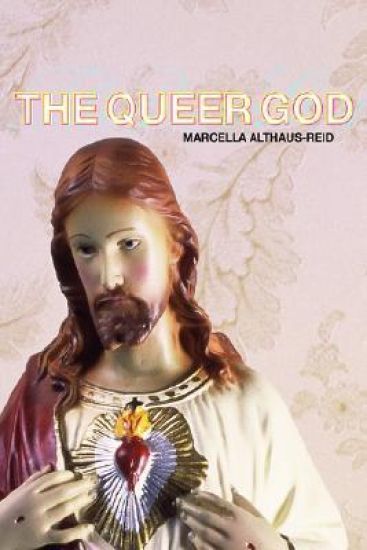
The Queer God

The Queer God

Marcella Althaus-Reid

Routledge
2003
nidottu
There are those who go to gay bars and salsa clubs with rosaries in their pockets, and who make camp chapels of their living rooms. Others enter churches with love letters hidden in their bags, because their need for God and their need for love refuse to fit into different compartments. But what goodness and righteousness can prevail if you are in love with someone whom you are ecclesiastically not supposed to love? Where is God in a salsa bar?The Queer God introduces a new theology from the margins of sexual deviance and economic exclusion. Its chapters on Bisexual Theology, Sadean holiness, gay worship in Brazil and Queer sainthood mark the search for a different face of God - the Queer God who challenges the oppressive powers of heterosexual orthodoxy, whiteness and global capitalism. Inspired by the transgressive spaces of Latin American spirituality, where the experiences of slum children merge with Queer interpretations of grace and holiness, The Queer God seeks to liberate God from the closet of traditional Christian thought, and to embrace God's part in the lives of gays, lesbians and the poor.Only a theology that dares to be radical can show us the presence of God in our times. The Queer God creates a concept of holiness that overcomes sexual and colonial prejudices and shows how Queer Theology is ultimately the search for God's own deliverance. Using Liberation Theology and Queer Theory, it exposes the sexual roots that underlie all theology, and takes the search for God to new depths of social and sexual exclusion.
The Queer God

The Queer God

Marcella Althaus-Reid

Routledge
2003
sidottu
There are those who go to gay bars and salsa clubs with rosaries in their pockets, and who make camp chapels of their living rooms. Others enter churches with love letters hidden in their bags, because their need for God and their need for love refuse to fit into different compartments. But what goodness and righteousness can prevail if you are in love with someone whom you are ecclesiastically not supposed to love? Where is God in a salsa bar?The Queer God introduces a new theology from the margins of sexual deviance and economic exclusion. Its chapters on Bisexual Theology, Sadean holiness, gay worship in Brazil and Queer sainthood mark the search for a different face of God - the Queer God who challenges the oppressive powers of heterosexual orthodoxy, whiteness and global capitalism. Inspired by the transgressive spaces of Latin American spirituality, where the experiences of slum children merge with Queer interpretations of grace and holiness, The Queer God seeks to liberate God from the closet of traditional Christian thought, and to embrace God's part in the lives of gays, lesbians and the poor.Only a theology that dares to be radical can show us the presence of God in our times. The Queer God creates a concept of holiness that overcomes sexual and colonial prejudices and shows how Queer Theology is ultimately the search for God's own deliverance. Using Liberation Theology and Queer Theory, it exposes the sexual roots that underlie all theology, and takes the search for God to new depths of social and sexual exclusion.
Indecent Theology

Indecent Theology

Marcella Althaus-Reid

Routledge
2000
nidottu
Indecent Theology brings liberation theology up to date by introducing the radical critical approaches of gender, postcolonial, and queer theory. Grounded in actual examples from Latin America, Marcella Althaus-Reid's highly provocative, but immaculately researched book reworks three distinct areas of theology - sexual, political and systematic. It exposes the connections between theology, sexuality and politics, whilst initiating a dramatic sexual rereading of systematic theology.Groundbreaking, intriguing and scholarly, Indecent Theology broadens the debate on sexuality and theology as never before.