Kirjailija
Marcelle Thiebaux
Kirjat ja teokset yhdessä paikassa: 7 kirjaa, julkaisuja vuosilta 2012-2021, suosituimpien joukossa Blood: Tales of Murder and Fantasy. Vertaile teosten hintoja ja tarkista saatavuus suomalaisista kirjakaupoista.
Mukana myös kirjoitusasut: Marcelle Thiébaux
7 kirjaa
Kirjojen julkaisuhaarukka 2012-2021.
Published in 1994: The period surveyed in this anthology extends from the eve of Christianity's triumph, in the third century, to the new age of expansion in the fifteenth century, an age marked by the advent of printing pressed, the European discovery of the Caribbean islands, which Columbus called the Indies, the relentless stripping of medieval altars by Church reformists, and perhaps a diminution of female autonomy.

Published in 1994: The period surveyed in this anthology extends from the eve of Christianity's triumph, in the third century, to the new age of expansion in the fifteenth century, an age marked by the advent of printing pressed, the European discovery of the Caribbean islands, which Columbus called the Indies, the relentless stripping of medieval altars by Church reformists, and perhaps a diminution of female autonomy.
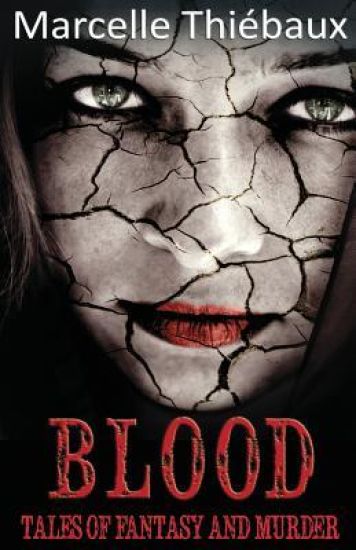
Dark. Lush. Disturbing.Four carnal and subversive stories, with characters haunted by their cravings for crimson gore...through need...a gruesome desire for retribution...or their own chilling temperaments. Elegantly-crafted, each of these eerie tales will produce a lurid shudder at the deepest, most intimate level of recognition.In "Guillotine," a dead girl keeps a macabre post-mortem date with her lusty executioner. The dignified woman-hater in "The Night of DeLyria" carries out his grisly orders to the full, then reels with the psychic consequences. In "The Glass Arcade," jealousy drives an action that relentlessly leads to murders. And a girl held in sexual bondage makes a deal with her supernatural demon lover in "Rue Ravender's Blood Wedding." Marcelle Thi baux's stories have been published in Grand Central Noir, Dogzplot, Urban Fantasy, Literal Latt , Karamu, Cream City Review, decomP, Keeping the Edge, The Delmarva Review and elsewhere. She has written about women from St. Margit of Hungary to Charlotte Bront . Her books on medieval themes include The Stag of Love: The Chase in Medieval Literature. Recipient of a Pen & Brush Club Award for her stories, Thi baux was nominated for a Pushcart Prize. She lives in New York City.
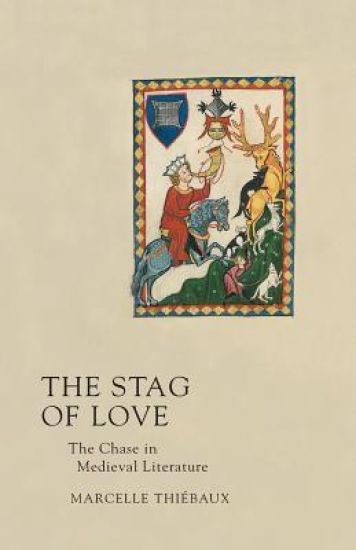
A sport and a military exercise, hunting involved aggressive action with weapons and dogs, and pursuit to the point of combat and killing, for the sake of recreation, food or conquest. The Stag of Love explores the body of erotic metaphor that developed from the hunt together with Ovid's flourishing legacies. While representing a range of human experience, the metaphor finds its dominant expression in the literature of love. As Marcelle Thiébaux demonstrates, the hunt's disciplined violence represented sexual desire, along with strategies and arts for getting love, the joys of love, and love's elevating mystique. The genre gave rise to a lavish imagery of footprints and tracking, arrows, nets, dogs and leashes, wounds, dismemberment and blood, that persisted to Shakespeare's day. Thiébaux opens with an account of a medieval chase and its ceremonies. She introduces hunt manuals that defined and gentrified the sport, in stages from the party's departure to the ferocity of the struggle to the animal's death. These stages adapted readily to narrative structures in the love chase, showing pursuit, confrontation with the beloved, and consummation. In English literature Thiébaux considers Beowulf, Aefric's Life of St. Eustace, Sir Gawain and the Green Knight and the poetry of Chaucer. She discusses Aucassin and Nicolete, Chrétien de Troyes' Erec, Gottfried von Strassburg's Tristan, the Nibelungenlied, and Wolfram von Eschenbach's works. The study ends with a scrutiny of newly recovered or little-known narratives of the thirteenth, fourteenth and fifteenth centuries. Originally published in 1974 and now issued in paperback for the first time, The Stag of Love brings to life a theme of perennial interest to medievalists, and to all readers intrigued by the imaginative treatment of love in the Western world.