Kirjojen hintavertailu. Mukana 12 390 323 kirjaa ja 12 kauppaa.

Kirjailija

Margaret Christenson

Kirjat ja teokset yhdessä paikassa: 2 kirjaa, julkaisuja vuosilta 1990-2016, suosituimpien joukossa Aging in the Designed Environment. Vertaile teosten hintoja ja tarkista saatavuus suomalaisista kirjakaupoista.

2 kirjaa

Kirjojen julkaisuhaarukka 1990-2016.

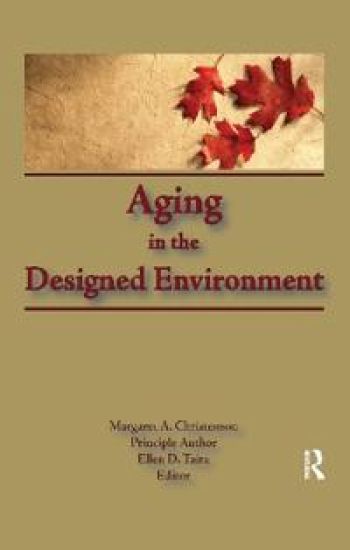
Aging in the Designed Environment

Aging in the Designed Environment

Margaret Christenson; Ellen D Taira

Routledge
2016
nidottu
Aging in the Designed Environment is the key sourcebook for physical and occupational therapists developing and implementing environmental designs for the aging. The physical environment remains one of the most overlooked areas in environmental design. In order to move beyond this status quo, persons responsible for planning elderly environments must develop a new understanding of ways in which their influence can improve the older adult’s physical and mental functioning. Occupational and physical therapists, as well as other health care professionals, will benefit tremendously from the information presented in this unique volume. Designers, developers, and others with minimal health care background will also find a wealth of possibilities within Aging in the Designed Environment. Many concerns are dealt with in the book’s five sections. The first section describes the implications that occur when there are changes in vision, hearing, taste, smell, touch, and the kinesthetic systems. Recommendations for environmental adaptation and modifications which may compensate for the changes in each of these systems are suggested. The second section stresses the relationship between behavior and environment. A variety of environmental attributes--comfort, privacy, accessibility, control, security, dignity--and their impacts are discussed, along with information on ways that attributes can be incorporated into the living settings of older people. In section three the focus is on the older person living independently in his or her own home, and section four covers exclusively the design and selection of chairs for older adults. New ways to assess and evaluate the home to promote independence beyond the traditional activities of daily living are addressed. The last section deals with redesigning the existing long-term care facility. The author examines some of the environmental conditions existing in specific facilities and provides recommendations to compensate for these circumstances.
Aging in the Designed Environment

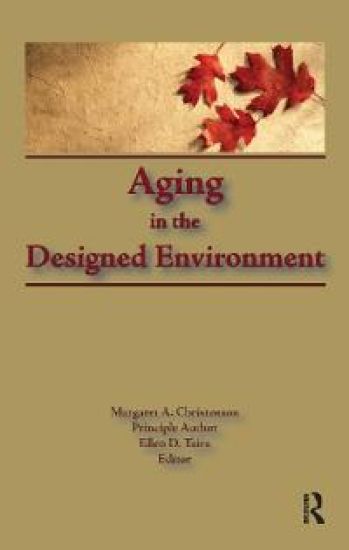
Aging in the Designed Environment

Margaret Christenson; Ellen D Taira

Routledge Member of the Taylor and Francis Group
1990
sidottu
Aging in the Designed Environment is the key sourcebook for physical and occupational therapists developing and implementing environmental designs for the aging. The physical environment remains one of the most overlooked areas in environmental design. In order to move beyond this status quo, persons responsible for planning elderly environments must develop a new understanding of ways in which their influence can improve the older adult’s physical and mental functioning. Occupational and physical therapists, as well as other health care professionals, will benefit tremendously from the information presented in this unique volume. Designers, developers, and others with minimal health care background will also find a wealth of possibilities within Aging in the Designed Environment. Many concerns are dealt with in the book’s five sections. The first section describes the implications that occur when there are changes in vision, hearing, taste, smell, touch, and the kinesthetic systems. Recommendations for environmental adaptation and modifications which may compensate for the changes in each of these systems are suggested. The second section stresses the relationship between behavior and environment. A variety of environmental attributes--comfort, privacy, accessibility, control, security, dignity--and their impacts are discussed, along with information on ways that attributes can be incorporated into the living settings of older people. In section three the focus is on the older person living independently in his or her own home, and section four covers exclusively the design and selection of chairs for older adults. New ways to assess and evaluate the home to promote independence beyond the traditional activities of daily living are addressed. The last section deals with redesigning the existing long-term care facility. The author examines some of the environmental conditions existing in specific facilities and provides recommendations to compensate for these circumstances.