Kirjojen hintavertailu. Mukana 12 595 353 kirjaa ja 12 kauppaa.

Kirjailija

Margie Crisp

Kirjat ja teokset yhdessä paikassa: 3 kirjaa, julkaisuja vuosilta 2012-2023, suosituimpien joukossa Duck Walk. Vertaile teosten hintoja ja tarkista saatavuus suomalaisista kirjakaupoista.

3 kirjaa

Kirjojen julkaisuhaarukka 2012-2023.

Duck Walk

Duck Walk

Margie Crisp

TEXAS A M UNIVERSITY PRESS
2023
sidottu
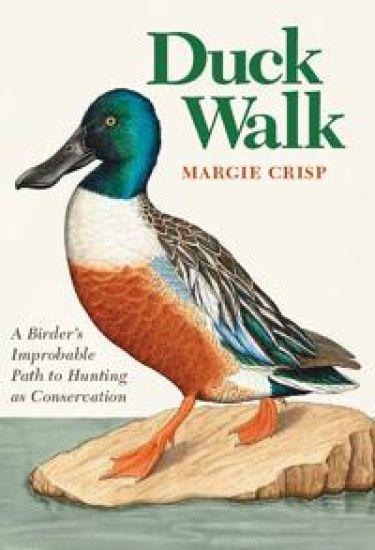
In fall 2016, lifelong birdwatcher, naturalist, and esteemed Texas artist Margie Crisp decided to take up a shotgun and start hunting ducks. Few nature enthusiasts understand the role that the hunting industry plays in the conservation of wildlands and wildlife—protecting far more critical habitat than birdwatchers do. With many bird species in a precipitous decline, duck and geese populations continue to rise steadily year after year. Why? Because of the money waterfowl hunters spend on licenses, firearms, and ammunition, or donate to nonprofit conservation organizations. Here, Crisp goes beyond birdwatching to challenge her notions about hunting. Could duck hunters be considered conservationists? Could she overcome a life-long aversion to guns and learn to shoot birds? And could doing so help conservation of habitats for ducks and other migratory bird species? In writing her experiences, Crisp explores these questions and illustrates to both communities—hunters and naturalists—that one woman can be a birdwatcher, a bird hunter, and above all, a conservationist devoted to preserving habitat for birds and other wildlife. Readers journey with the author as she learns to hunt—to experience the emotional impacts of killing, cleaning, cooking and eating birds. First-hand accounts are seamlessly integrated with information about conservation history as well as interviews with hunters, biologists, and birdwatchers. Along the Central Flyway from the Texas coast to Canada, this revealing personal narrative traces hunting and birdwatching trips, and even a solo road trip following the birds’ migration, all through the eye of an artist whose words and drawings bring her journey to life.
The Nueces River

The Nueces River

Margie Crisp; Andrew Sansom

Texas A M University Press
2017
nidottu
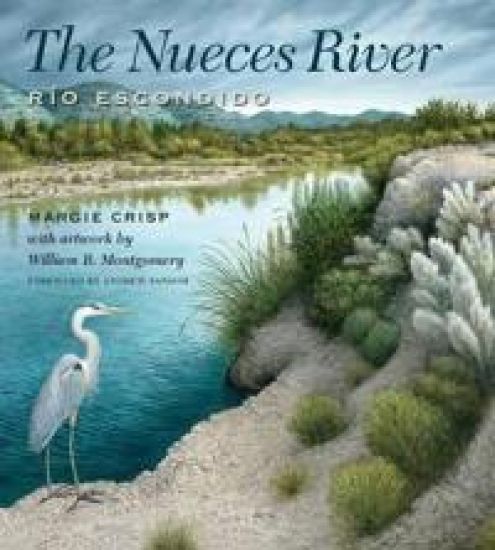
First appearing on early Spanish maps as the Río Escondido, or hidden river, and later named Río de las Nueces after the abundant pecan trees along its banks, the Nueces today is a stream of seeming contradictions: a river that runs above and below ground; a geographic reminder of a history both noble and egregious; and a spring-fed stream transformed into a salty, steep-sided channel. From its fresh, clear headwaters on the Edwards Plateau, Margie Crisp and William B. Montgomery follow the river through the mesquite and prickly pear of the South Texas Plains, to the river’s end in Nueces and Corpus Christi Bays on the Gulf of Mexico. With vivid prose and paintings, they record their travels as they explore the length of the river on foot, kayak, and fishing boat, ultimately weaving a vivid portrait of today’s Nueces. Capturing the river’s subtle beauty, abundant wildlife, diverse culture, and unique history of exploration, conflict, and settlement, they reveal the untold story of this enigmatic river with passion, humor, and reverence.
River of Contrasts: The Texas Colorado

River of Contrasts: The Texas Colorado

Margie Crisp

Texas A M University Press
2012
nidottu
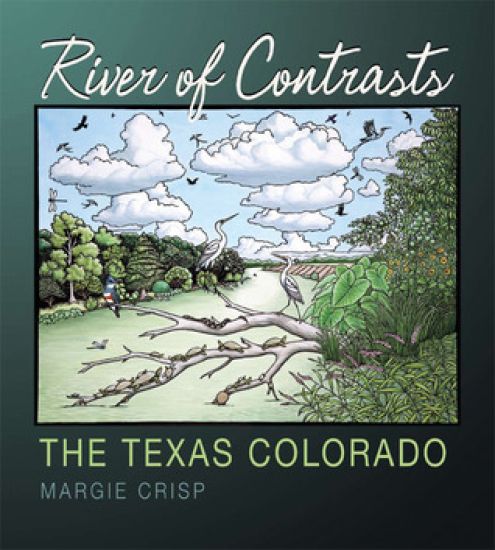
Writer and artist Margie Crisp has traveled the length of Texas’ Colorado River, which rises in Dawson County, south of Lubbock, and flows 860 miles southeast across the state to its mouth on the Gulf of Mexico at Matagorda Bay. Echoing the truth of Heraclitus’s ancient dictum, the river’s character changes dramatically from its dusty headwaters on the High Plains to its meandering presence on the coastal prairie. The Colorado is the longest river with both its source and its mouth in Texas, and its water, from beginning to end, provides for the state’s agricultural, municipal, and recreational needs.As Crisp notes, the Colorado River is perhaps most frequently associated with its middle reaches in the Hill Country, where it has been dammed to create the six reservoirs known as the Highland Lakes. Following Crisp as she explores the river, sometimes with her fisherman husband, readers meet the river’s denizens—animal, plant, and human—and learn something about the natural history, the politics, and those who influence the fate of the river and the water it carries.Those who live intimately with the natural landscape inevitably formulate emotional responses to their surroundings, and the people living on or near the Colorado River are no exception. Crisp’s own loving tribute to the river and its inhabitants is enhanced by the exquisite art she has created for this book. Her photographs and maps round out the useful and beautiful accompaniments to this thoughtful portrait of one of Texas’ most beloved rivers.