Kirjojen hintavertailu. Mukana 12 595 353 kirjaa ja 12 kauppaa.

Kirjailija

Maria de Jesus Espada

Kirjat ja teokset yhdessä paikassa: 13 kirjaa, julkaisuja vuosilta 2021-2023, suosituimpien joukossa Naam Doees Damage Neem Mall Allgum. Vertaile teosten hintoja ja tarkista saatavuus suomalaisista kirjakaupoista.

13 kirjaa

Kirjojen julkaisuhaarukka 2021-2023.

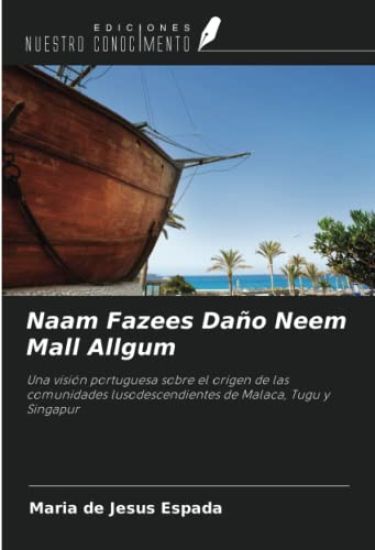
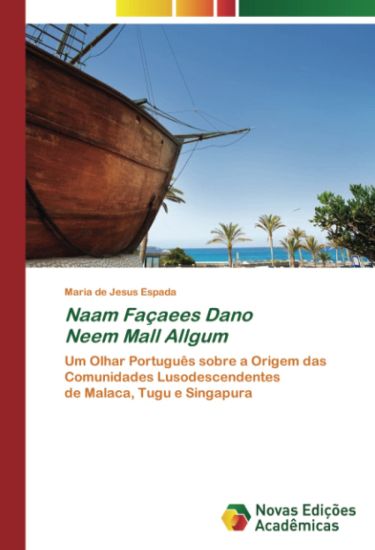
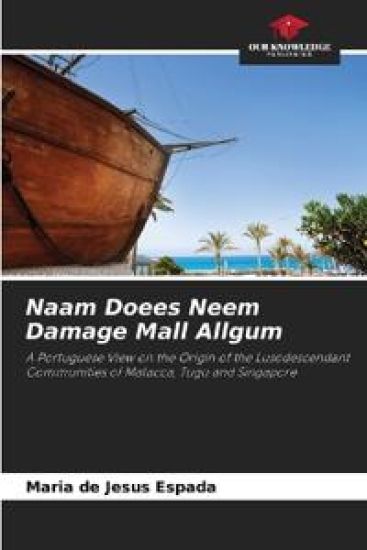
Naam Doees Neem Damage Mall Allgum

Naam Doees Neem Damage Mall Allgum

Maria de Jesus Espada

International Book Market Service Ltd
2023
pokkari
This book is structured on the basis of the analysis of Portuguese views on Lusodescendant communities in Southeast Asia, which allows us to glimpse the successive dominant currents in the way of experiencing a space and a community and to guess details of the political and cultural contexts in which the works are produced. The work starts from the origin of the communities of Lusodescendants in Southeast Asia, focusing, in particular, on three surviving communities in Malacca, Tugu and Singapore, which, from the ethnic and linguistic point of view, have the sea as their cradle. Since this is an analysis of the Portuguese gaze, primacy is given to Portuguese studies, and their philosophical, political and cultural frameworks, along with a general outline of the schools of knowledge and the constructions of knowledge.
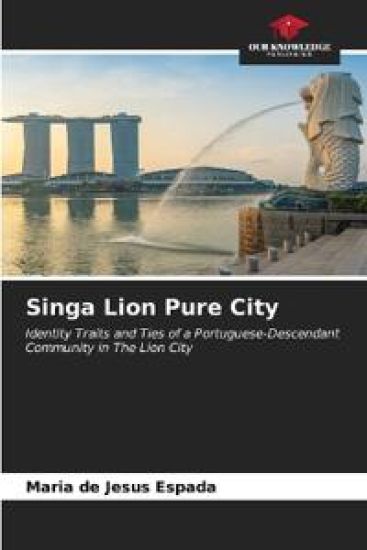
Singa Lion Pure City

Singa Lion Pure City

Maria de Jesus Espada

Our Knowledge Publishing
2022
pokkari
In Singa Le o Pura Cidade, we tried to take a different approach to the theme of mixed race and Lusodescendence, aiming to understand images and stereotypes built, over the years, about these communities and also to perform our own approach to our space of analysis: the Lusodescendant community of Singapore. We have detected, at first, the emergence of a community which, from the ethnic and linguistic point of view, has the sea as its cradle. We then proceeded to an analysis of the Portuguese views on these Lusodescendant communities in Southeast Asia, particularly Singapore, thus glimpsing the successive dominant currents in the way of experiencing a space and a community and guessing details of the political and cultural contexts in which the works were produced. Starting from the idea of the Culture of Discovery, we took into consideration the creation of a discursive body of knowledge about the Orient. On the other hand, for an analysis of the community's life unfolding, as well as for a better view of the traces of its current identity and the presence of a Portugal in the eye, we used two types of instruments: autochthonous texts and questionnaires.