Kirjailija
María Odette Canivell Arzú
Kirjat ja teokset yhdessä paikassa: 11 kirjaa, julkaisuja vuosilta 1995-2025, suosituimpien joukossa Julia. Vertaile teosten hintoja ja tarkista saatavuus suomalaisista kirjakaupoista.
11 kirjaa
Kirjojen julkaisuhaarukka 1995-2025.

Nationalhelden sind ein fester Bestandteil praktisch jeder Kultur der Welt. Durch die Analyse der Eigenschaften, Werte und der Pers nlichkeit von Helden ist es m glich, einen Einblick in die Psyche einer bestimmten Kultur zu erhalten. Anhand der Figuren von Don Quijote de La Mancha und K nig Artus lassen sich die Weltanschauung, die Sitten und die idealen Eigenschaften vergleichen, die Spanien und Gro britannien dazu bewogen haben, sich f r diese "au ergew hnlichen" Vertreter zu entscheiden, und die Gemeinsamkeiten und Unterschiede zwischen beiden Kulturen herausstellen.


Les h ros nationaux font partie int grante de pratiquement toutes les cultures du monde. L'analyse des traits, des valeurs et de la personnalit des h ros permet d'avoir un aper u de la psych d'une culture donn e. En examinant les figures de Don Quijote de La Mancha et du Roi Arthur, il est possible de comparer la vision du monde, les moeurs et les caract ristiques id ales qui ont pouss l'Espagne et la Grande-Bretagne choisir ces repr sentants "exceptionnels", en mettant en vidence les similitudes et les diff rences entre les deux cultures.

Gli eroi nazionali sono un punto fermo di praticamente tutte le culture del mondo. Attraverso l'analisi dei tratti, dei valori e della personalit degli eroi possibile farsi un'idea della psiche di una determinata cultura. Esaminando le figure di Don Quijote de La Mancha e di Re Art , si pu ottenere un confronto della visione del mondo, dei costumi e delle caratteristiche ideali che hanno portato Spagna e Gran Bretagna a scegliere questi rappresentanti "eccezionali", evidenziando le somiglianze e le differenze tra le due culture.

Os her is nacionais s o um elemento essencial de praticamente todas as culturas do mundo. Atrav s da an lise dos tra os, valores e personalidade dos her is, poss vel vislumbrar a psique de uma determinada cultura. Ao examinar as figuras de Don Quijote de La Mancha e do Rei Artur, poss vel comparar a vis o do mundo, os costumes e as caracter sticas ideais que levaram a Espanha e a Gr -Bretanha a escolher estes representantes "excepcionais", real ando as semelhan as e as diferen as entre ambas as culturas.
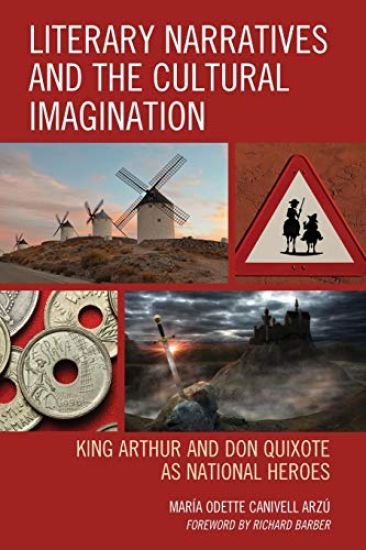
Literary Narratives and the Cultural Imagination
María Odette Canivell Arzú; Richard Barber
Lexington Books
2020
nidottu
In Literary Narratives and the Cultural Imagination: King Arthur and Don Quixote as National Heroes the author examines traditional Arthurian and Cervantine literary narratives to discuss how the two literary figures became paladins of their respective nations. Whereas the former bestows upon the homeland a positive image of Britain, based on military might, a glorious past and a promise of return, the latter contributes to a negative image of Spain based on a narrative of defeat and faded glory. In the analysis of the political intentions behind the literature that gave wings to the rise as paragons of these very famous literary characters, a semblance of the national imaginaries of the countries of their birth appears. Indeed, the tradition of Waterloo and the tradition of La Mancha are polar opposites in their Weltanschauung, and they only have in common that both heroes, Arthur and Quijote, are depicted as paladins of justice, benefactors, and redeemers of their land of birth. It is this idealized view of what is possibly the figment of a writer’s (or many different writers) pen that astonishes the reader, for behind it lies an intention to market (for internal and external consumption) both literary creations, exceeding the boundaries of the creative fiction that invented them to transform them into myths and political symbols of their respective nations.

Literary Narratives and the Cultural Imagination
María Odette Canivell Arzú; Richard Barber
Lexington Books
2018
sidottu
In Literary Narratives and the Cultural Imagination: King Arthur and Don Quixote as National Heroes the author examines traditional Arthurian and Cervantine literary narratives to discuss how the two literary figures became paladins of their respective nations. Whereas the former bestows upon the homeland a positive image of Britain, based on military might, a glorious past and a promise of return, the latter contributes to a negative image of Spain based on a narrative of defeat and faded glory. In the analysis of the political intentions behind the literature that gave wings to the rise as paragons of these very famous literary characters, a semblance of the national imaginaries of the countries of their birth appears. Indeed, the tradition of Waterloo and the tradition of La Mancha are polar opposites in their Weltanschauung, and they only have in common that both heroes, Arthur and Quijote, are depicted as paladins of justice, benefactors, and redeemers of their land of birth. It is this idealized view of what is possibly the figment of a writer’s (or many different writers) pen that astonishes the reader, for behind it lies an intention to market (for internal and external consumption) both literary creations, exceeding the boundaries of the creative fiction that invented them to transform them into myths and political symbols of their respective nations.