Kirjojen hintavertailu. Mukana 12 180 564 kirjaa ja 12 kauppaa.

Kirjailija

Maria Pilar Rodriguez

Kirjat ja teokset yhdessä paikassa: 4 kirjaa, julkaisuja vuosilta 1999-2025, suosituimpien joukossa Vidas Impropias. Vertaile teosten hintoja ja tarkista saatavuus suomalaisista kirjakaupoista.

Mukana myös kirjoitusasut: María Pilar Rodríguez

4 kirjaa

Kirjojen julkaisuhaarukka 1999-2025.

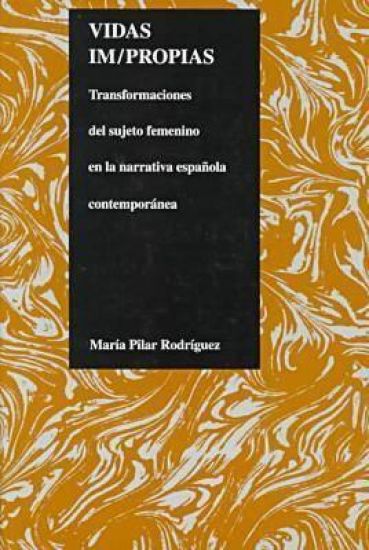
Vidas Impropias

Vidas Impropias

Maria Pilar Rodriguez

Purdue University Press
1999
sidottu
Through the analysis of six Spanish novels, one for each decade from the 1940s through the 1990s, Rodríguez proposes a new concept of the novel of feminine development and emphasizes the importance of the voicing of women's sentiments, passions, desires, and opinions that have not been expressed before in the literature of Spain. The study begins with Nada by Carmen Laforet, and continues with La playa de los locos by Elena Soriano, La plaça del Diamant by Mercè Rodoreda, two stories from Te dejo el mar by Carme Riera, Los perros de Hécate by Carmen Gómez Ojea, and Efectos secundarios by Luisa Etxenike.
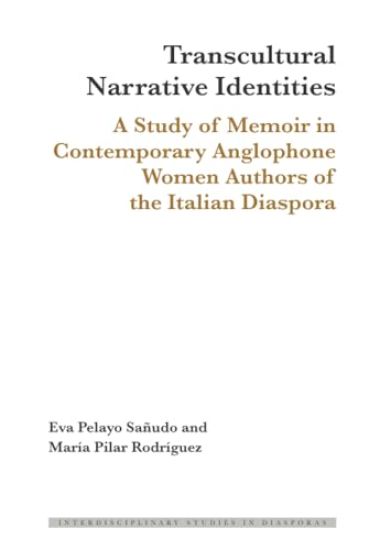
Transcultural Narrative Identities

Transcultural Narrative Identities

Eva Pelayo-Sanudo; María Pilar Rodríguez

PETER LANG PUBLISHING INC
2025
sidottu
This book aims to create a new space for the analysis of female experience in the Italian diaspora through a selected sample of representative writers in contemporary Anglophone literature. In addition, it presents memoir writing as a fertile ground for literary and cultural research and as an important framework for expanding paradigms of identity in our increasingly diverse societies. This innovative study focuses on intersectional memoirs –texts written from the perspective of ethnic women. It examines the formation of narratives of identity in contemporary writing, particularly looking at the expression of cultural and gender difference through the genre of memoir and within the US and Canadian contexts. The work of migrant and ethnic communities and marginalized voices situated at the boundaries of nations, cultures, social classes and genders, is examined through a blend of literary, feminist, racial and cultural memory theories supported by textual analysis.
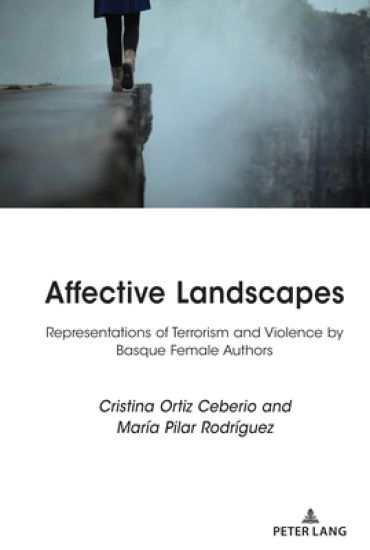
Affective Landscapes

Affective Landscapes

Cristina Ortiz Ceberio; María Pilar Rodríguez

Peter Lang Publishing Inc
2021
sidottu
Affective Landscapes: Representation of Terrorism and Violence by Basque Female Authors draws from contemporary social and cultural theory of affect to analyze the Basque Country’s political violence since the birth of the terrorist organization E.T.A. The study focuses on how this violence has been represented in contemporary works of literature and cinema authored by women and examines the alternative means these authors use to examine political violence from a gendered perspective. The artistic works analyzed in this volume highlight the connection between violence and the production of specific affective states; these authors’ stories illustrate the pernicious effects that violence has for human relationality and social bonds. As such, the study provides new readings of seminal works authored by Basque women during this period of violence and, in doing so, it renders a much-needed contribution to the place that their artistic productions have in providing a novel understanding of the Basque political reality. The study presents a groundbreaking analysis to understand the centrality of affect as a unique prism to approach violent contexts, to present different affirmations of the "political," and to bring to light social dynamics otherwise unnoticed.
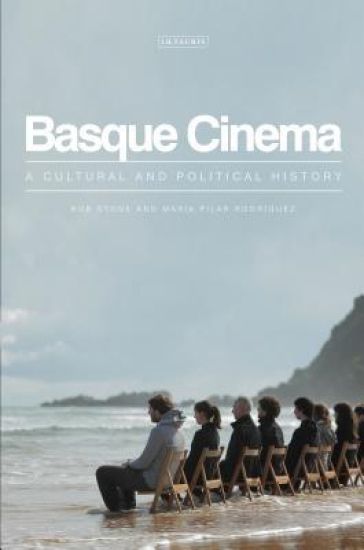
Basque Cinema

Basque Cinema

Rob Stone; Maria Pilar Rodriguez

I.B. Tauris
2015
sidottu
Cinema has always been a vital medium for articulating the Basque region's unique identity and politics. The first definitive study of Basque cinema, this book provides a systematic analysis of the key Basque films, directors and cinematic institutions. Its narrative moves from the romanticised Basque Country travelogues of Pathe to the coded oppositional aesthetics of Franco-era films; from the post-Franco 'new wave' supported by regional government funding to the boom in auteurist cinema during the 1980s and 1990s. It also charts the contemporary impact of the film institute Basque Filmoteca and television channel Euskal Telebista in producing and disseminating Basque-language films. Based on archival research, close readings of films and in-depth interviews with influential figures in the Basque film scene, this book is essential reading for world film scholars and cultural historians.