Kirjojen hintavertailu. Mukana 12 390 323 kirjaa ja 12 kauppaa.

Kirjailija

Maria Varvarigou

Kirjat ja teokset yhdessä paikassa: 2 kirjaa, julkaisuja vuosilta 2020-2021, suosituimpien joukossa Contexts for Music Learning and Participation. Vertaile teosten hintoja ja tarkista saatavuus suomalaisista kirjakaupoista.

2 kirjaa

Kirjojen julkaisuhaarukka 2020-2021.

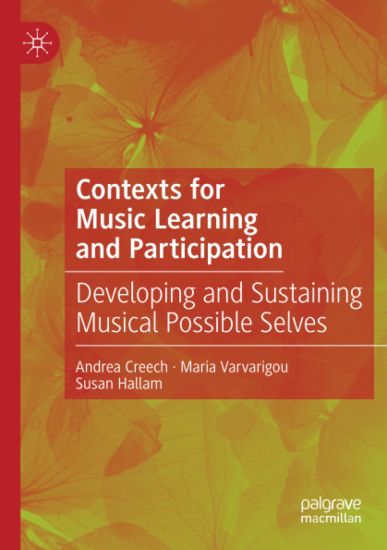
Contexts for Music Learning and Participation

Contexts for Music Learning and Participation

Andrea Creech; Maria Varvarigou; Susan Hallam

Springer Nature Switzerland AG
2021
nidottu
This book sets out a contemporary perspective on music education, highlighting complex intersections between informal, non-formal and formal practices and contexts. At a time when the boundaries between music learning and participation are increasingly blurred, this volume is distinctive in challenging a ‘siloed’ approach to understanding the diverse international music education landscape. Instead, the book proposes a multi-layered continuum of practices that can be applied across a range of formal, informal or non-formal concepts to support the development of musical possible selves. It challenges existing conceptions of learning in music education in part by drawing on research in adult learning, but also by considering the contexts in which learning takes place, and the extent to which this learning can be classified as formal, informal or non-formal.
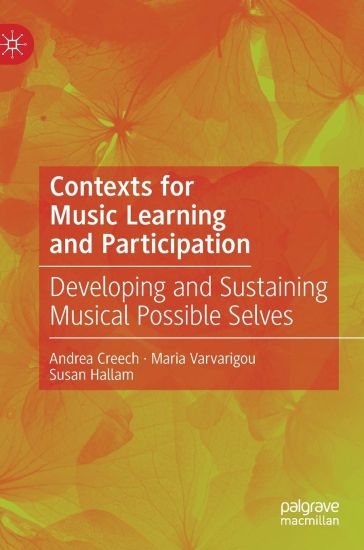
Contexts for Music Learning and Participation

Contexts for Music Learning and Participation

Andrea Creech; Maria Varvarigou; Susan Hallam

Springer Nature Switzerland AG
2020
sidottu
This book sets out a contemporary perspective on music education, highlighting complex intersections between informal, non-formal and formal practices and contexts. At a time when the boundaries between music learning and participation are increasingly blurred, this volume is distinctive in challenging a ‘siloed’ approach to understanding the diverse international music education landscape. Instead, the book proposes a multi-layered continuum of practices that can be applied across a range of formal, informal or non-formal concepts to support the development of musical possible selves. It challenges existing conceptions of learning in music education in part by drawing on research in adult learning, but also by considering the contexts in which learning takes place, and the extent to which this learning can be classified as formal, informal or non-formal.