Kirjojen hintavertailu. Mukana 12 390 323 kirjaa ja 12 kauppaa.

Kirjailija

Marian H. Feldman

Kirjat ja teokset yhdessä paikassa: 3 kirjaa, julkaisuja vuosilta 2005-2025, suosituimpien joukossa Remembering and Forgetting in Ancient Mesopotamia. Vertaile teosten hintoja ja tarkista saatavuus suomalaisista kirjakaupoista.

3 kirjaa

Kirjojen julkaisuhaarukka 2005-2025.

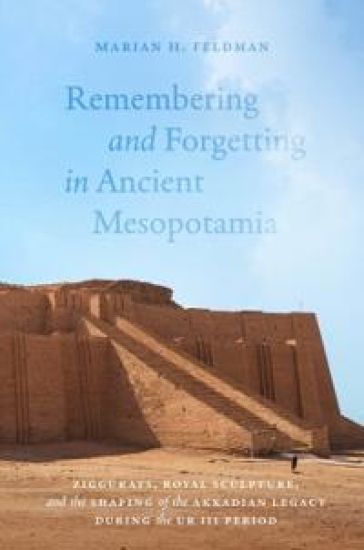
Remembering and Forgetting in Ancient Mesopotamia

Remembering and Forgetting in Ancient Mesopotamia

Marian H. Feldman

THE UNIVERSITY OF CHICAGO PRESS
2025
sidottu
A study of how our understanding of Akkadian history has been shaped by subsequent dynasties. In this innovative new study of ancient Mesopotamian art and architecture, Marian H. Feldman examines the complex legacy of the Akkadian dynasty, which spanned ca. 2350-2150 BCE in the region now known as southern Iraq. The Akkadian state played an essential role in the formation and expression of subsequent political entities in the region, yet our understanding of this period is based primarily on the historical lens of their successors, in particular the rulers of the Third Dynasty of Ur (ca. 2100-1000 BCE). Focusing on four remaining ziggurats in Ur, Eridu, Uruk, and Nippur, as well as surviving statues and steles, Feldman examines how the Ur III rulers selectively curated and erased Akkadian structures and monuments to serve their own political ambitions. Analyzing the archaeological evidence of Ur III building practices and the display of Akkadian royal sculpture, she considers the role of sacred spaces in our knowledge of the period and imagines how the cultivation of the Akkadian narrative helped the Ur III dynasty centralize its power. In so doing, this book proposes a new way to understand the impact of the survival—or erasure—of architectural and artistic remains on collective and historical memory.
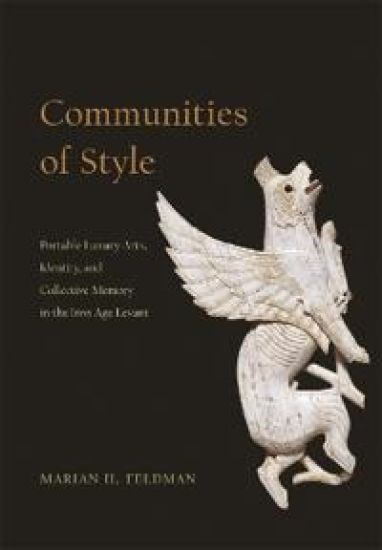
Communities of Style

Communities of Style

Marian H. Feldman

University of Chicago Press
2014
sidottu
Communities of Style examines the production and circulation of portable luxury goods throughout the Levant in the early Iron Age (1200-600 BCE). In particular it focuses on how societies in flux came together around the material effects of art and style, and their role in collective memory. Marian H. Feldman brings her dual training as an art historian and an archaeologist to bear on the networks that were essential to the movement and trade of luxury goods - particularly ivories and metal works - and how they were also central to community formation. The interest in, and relationships to, these art objects, Feldman shows, led to wide-ranging interactions and transformations both within and between communities. Ultimately, she argues, the production and movement of luxury goods in the period demands a rethinking of our very geo-cultural conception of the Levant, as well as its influence beyond what have traditionally been thought of as its borders.
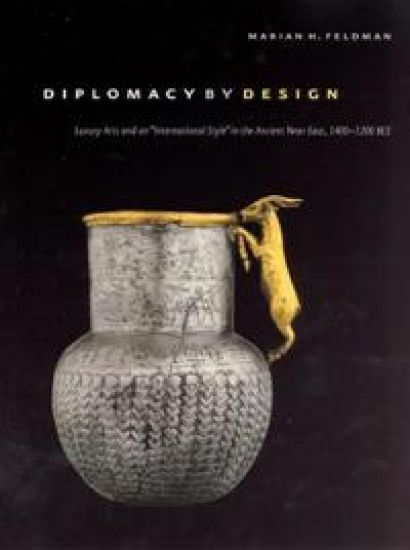
Diplomacy by Design

Diplomacy by Design

Marian H. Feldman

University of Chicago Press
2005
sidottu
Art and international relations during the Late Bronze Age formed a symbiosis as expanded travel and written communications fostered unprecedented cultural exchange across the Mediterranean. Diplomacy in these new political and imperial relationships was often maintained through the exchange of lavish art objects and luxury goods. The items bestowed during this time shared a repertoire of imagery that modern scholars call the first International Style in the history of art. Marian H. Feldman's "Diplomacy by Design" examines the profound connection between art produced during this period and its social context, revealing inanimate objects as catalysts - or even participants - in human dynamics. Feldman's fascinating study shows the ways in which the exchange of these works of art actively mediated and strengthened political relations, intercultural interactions, and economic negotiations. Previous studies of this international style have focused almost exclusively on stylistic attribution at the expense of social contextualization. Written by a specialist in ancient near Eastern art and archaeology who has excavated and traveled extensively in this area of the world, "Diplomacy by Design" provides a much broader consideration of the symbolic power of material culture and its centrality in the construction of human relations.