Kirjojen hintavertailu. Mukana 12 657 676 kirjaa ja 12 kauppaa.
Kirjailija
Marilyn Fleer
Kirjat ja teokset yhdessä paikassa: 23 kirjaa, julkaisuja vuosilta 2005-2025, suosituimpien joukossa The Role of Imagination in STEM Concept Formation. Vertaile teosten hintoja ja tarkista saatavuus suomalaisista kirjakaupoista.
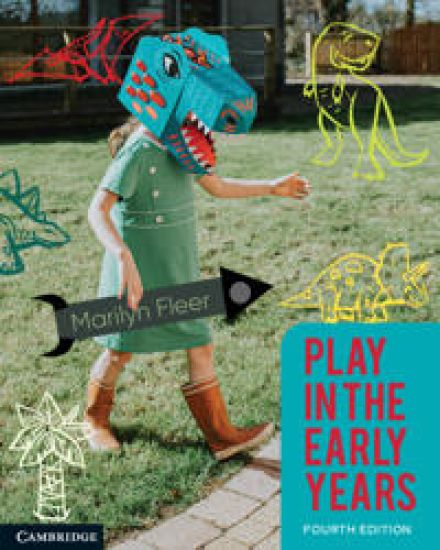
Play has a significant role in children's learning and development. Play in the Early Years examines the central questions about play from the perspectives of children, families and educators, providing a comprehensive introduction to the theory and practice of play for children from birth to eight years. In its fourth edition, Play in the Early Years has been thoroughly updated in line with the revised Early Years Learning Framework and the new version of the Australian Curriculum. It takes both a both a theoretical and a practical approach, and covers recent research into conceptual play and wellbeing. The text looks at social, cultural and institutional approaches to play, and explores a range of strategies for successfully integrating play into early years settings and primary classrooms. Each chapter features case studies and play examples, with questions and reflection activities incorporated throughout to enhance learners' understanding.
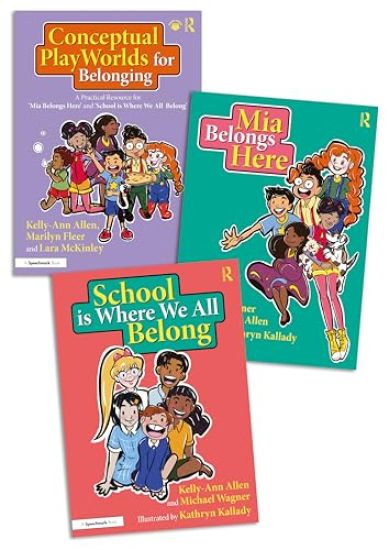
Fostering a sense of belonging in early childhood is crucial for the holistic development and wellbeing of young children. This set, comprised of two beautifully illustrated story books and an accompanying practical resource book, is for use with children aged 4-8 to help build strong connections and a sense of belonging.The story books, Mia Belongs Here and School is Where We All Belong, focus on belonging at home and at school, introducing a cast of characters who show how they know they belong through the different senses (smell, taste, touch, hearing and sight). With engaging and captivating illustrations, children are encouraged to reflect and share the sensations and stories that help them feel like they belong.The accompanying resource book expands on these narratives, offering detailed play-based activities and scenarios that allow children to experience and solve real-life problems through imaginative play. It is based on the Conceptual PlayWorld, an evidence-based model of intentional teaching developed by Professor Marilyn Fleer, and activities are inspired by research on relationship building, social and emotional competencies, and positive psychology. Each chapter introduces a new PlayWorld that draws on the characters introduced in the story books and includes detailed guidance on designing, planning and carrying out each narrative scenario.Together, the books provide a comprehensive toolkit for educators to create immersive play environments that teach children about the importance of feeling included and valued. In a world of increasing rates of loneliness, disconnection and social isolation, opportunities to encourage a sense of belonging in children have never been more needed. This set will help teachers, practitioners and parents empower children to thrive academically, socially and emotionally.
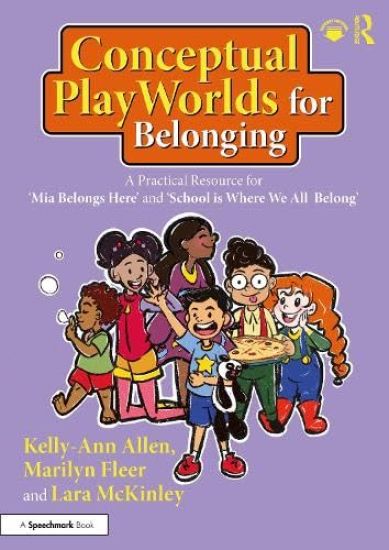
For effective use, this book should be purchased alongside the story books, Mia Belongs Here and School is Where We All Belong. The books can be purchased individually or as a set, Building Conceptual PlayWorlds for Belonging: Stories and Activities to Build a Sense of Belonging.Fostering a sense of belonging in early childhood is crucial for the development and wellbeing of young children. This practical resource is for use with children aged 4-8 to help build strong connections and a sense of belonging. Through the practice of mindfulness, children are encouraged to pause and fully engage with the place and moment they are in.Based on the Conceptual PlayWorld, an evidence-based model of intentional teaching developed by Professor Marilyn Fleer, this book includes a range of research-informed activities. Each chapter provides educators with a Conceptual PlayWorld to implement which will engage children in practical scenarios and problem-solving activities rooted in play. They address different aspects of belonging at home and in school settings, aiming to foster empathy, inclusion, and community in young learners. The narratives are crafted around two foundational storybooks, Mia Belongs Here and School is Where We All Belong, enhancing the connection between storytelling and experiential learning.In a world of increasing rates of loneliness, disconnection and social isolation, opportunities to encourage a sense of belonging in children have never been more needed. This unique educational resource will help teachers, practitioners and parents empower children to thrive academically, socially and emotionally.
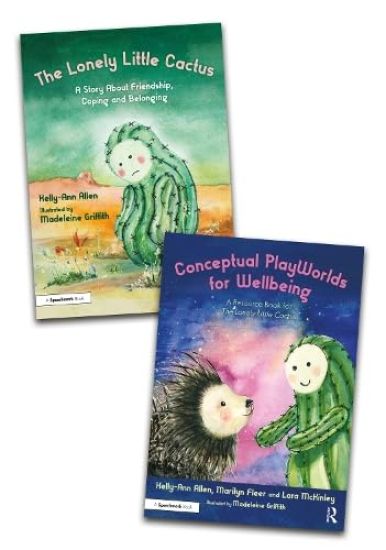
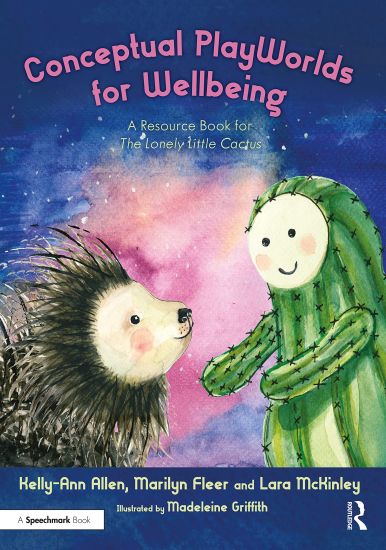
Young children face daily challenges that require them to cope with stressful situations. Some of these challenges may seem trivial to adults, but to young children unable to regulate their own emotions, they can be problematic. The Building Conceptual PlayWorlds for Wellbeing set, comprising of a story book and companion guide is for use with children aged between 4 and 8 and is a conversation point for educators and parents to open discussions with young children about managing their emotions and coping with problems. In the vibrant and accessible The Lonely Little Cactus storybook, children are introduced to a cactus that feels lonely living in the desert. Through a series of colourful interactions with desert dwellers, the little cactus learns strategies to cope with feelings of loneliness. Both entertaining and educational, the story showcases an array of coping strategies and encourages the reader to try various approaches to managing difficult situations and find strategies that best work for them. The accompanying guidebook uses the evidence-driven Conceptual PlayWorlds model of intentional teaching developed by Professor Marilyn Fleer to provide supporting classroom- or home-based activities to help children aged between 4 and 8 solve challenges and learn wellbeing concepts through play. Offering imagery-rich scenarios including 20 unique activities, children have an opportunity to experientially grasp wellbeing concepts that can be otherwise difficult to explain. This resource book guides educators through a range of wellbeing activities including: Identifying feelings Coping (social support, problem solving, and self-regulation) Friendships (relationship building, working together, time with friends, social skills) Positive emotions (happiness, joy, doing something you love, enjoyment, fun) Relaxation strategies Belonging and inclusion (working together, collaboration, joining in play, including others)Offering a unique opportunity for children to learn about psychological strategies while being engaged in a beautiful narrative and visually captivating illustrations, this set is the ideal resource for educators, support staff, practitioners and parents looking to help children understand and manage their feelings.
For effective use, this book should be purchased alongside the story book, The Lonely Little Cactus: A Story About Friendship, Coping, and Belonging. Both books can be purchased together as a set, Building Conceptual PlayWorlds for Wellbeing: The Lonely Little Cactus Story Book and Accompanying Resource Book.This vital resource uses the evidence-driven Conceptual PlayWorlds model of intentional teaching developed by Professor Marilyn Fleer to provide supporting classroom or home-based activities to help children aged between four and eight solve challenges and learn wellbeing concepts through play.Intended for use with the accompanying picture story book, The Lonely Little Cactus, a tale about a cactus that feels lonely living in the desert, this guide offers imagery-rich scenarios, including 20 unique activities, so children have an opportunity to experientially grasp wellbeing concepts that can be otherwise difficult to explain. This resource guides educators and teachers through a range of wellbeing activities, including:Identifying feelingsCoping (social support, problem solving, and self-regulation)Friendships (relationship building, working together, time with friends, social skills)Positive emotions (happiness, joy, doing something you love, enjoyment, fun)Relaxation strategiesBelonging and inclusion (working together, collaboration, joining in play, including others)Offering a unique opportunity for children to learn about psychological strategies while being engaged in a beautiful narrative and visually captivating illustrations, this is the ideal resource for educators or teachers, support staff, practitioners, and families looking to help children understand and manage their feelings. While the context is centre-based, the activities can be done almost anywhere, such as in family homes, the Botanical Gardens, when on holidays, or when visiting a park.
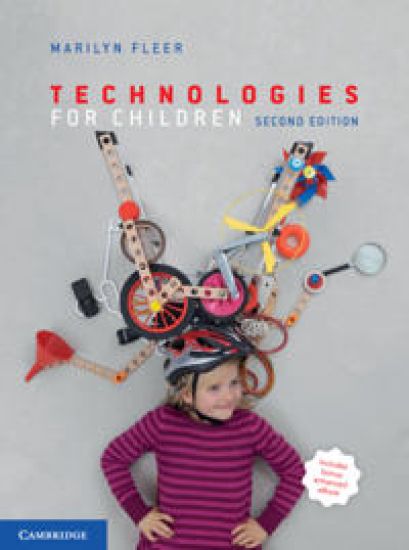
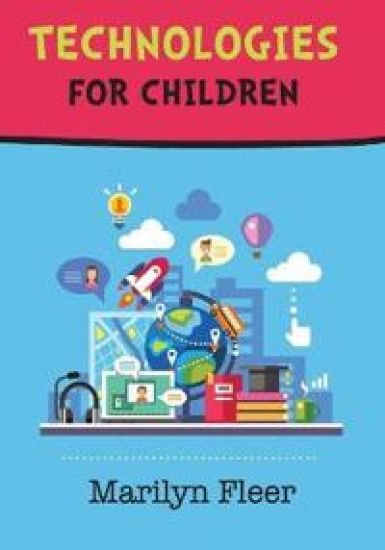
Technologies for Children is a comprehensive guide to teaching design and digital technologies to children from birth to 12 years. Aligned with the Early Years Learning Framework and the Australian Curriculum: Technologies, this book provides practical ideas for teaching infants, toddlers, pre-schoolers and primary-aged children. The third edition includes expanded content on teaching digital technologies, with a new chapter on computational thinking. Key topics covered include food and fibre production, engineering principles and systems, and computational thinking. The content goes beyond discussing the curriculum to consider technology pedagogies, planning, assessment and evaluation. Case studies drawn from Australian primary classrooms and early childhood centres demonstrate the transition from theory to practice. Each chapter is supported by pedagogical reflections, research activities and spotlights, as well as extensive online student resources. Written by Marilyn Fleer, this book presents innovative, engaging and student-centred approaches to integrating technologies in the classroom.
Why has early childhood science education taken so long to become established as a field of research inquiry? Why do we continue to blame early childhood and primary teachers for their lack of confidence and competence in science education? This book tackles these questions and more. Grounded in cultural-historical theory, this book explores the development of the field through the eyes of the author. Over 30 years the contexts, the questions, and the foci of a generation of science education researchers are mapped. As the field develops, new concepts, models of teaching and new methods and methodologies are theorised and empirically supported, bringing forward uniqueness of science education for children in play-based settings.
Why has early childhood science education taken so long to become established as a field of research inquiry? Why do we continue to blame early childhood and primary teachers for their lack of confidence and competence in science education? This book tackles these questions and more. Grounded in cultural-historical theory, this book explores the development of the field through the eyes of the author. Over 30 years the contexts, the questions, and the foci of a generation of science education researchers are mapped. As the field develops, new concepts, models of teaching and new methods and methodologies are theorised and empirically supported, bringing forward uniqueness of science education for children in play-based settings.
Play is crucial to the learning and development of children in the early years. The third edition of Play in the Early Years is a comprehensive introduction to the theory and practice of play for children from birth to 8 years old. Drawing on classical and contemporary theories, this text examines social, cultural and institutional approaches to play, and explores a range of strategies for successfully integrating play into early years settings and primary classrooms. This edition features a new chapter on conceptual playworlds, which demonstrates what conceptual playworlds look like to infants and toddlers, pre-schoolers, and children transitioning into school. The text features classroom vignettes and photographs designed to help students connect theory to practice, and reflection questions and research activities encourage in-depth reflection and extend learning. Highly regarded by early childhood researchers and practitioners alike, Play in the Early Years remains an essential resource for pre-service students.
Technologies for Children explores how traditional technologies can be repurposed and re-imagined in educational environments to engage students in interactive and authentic ways. Closely aligned with both the Australian Curriculum: Technologies and the Early Years Learning Framework, it covers theory and provides practical ideas for teaching infants, toddlers, pre-schoolers and primary school children. Each chapter focuses on different aspects of technologies education, such as engineering principles and systems, food and fibre, creativity in design, and preferred futures. Fully updated, the text features critical exploration of research in the field. Student learning is supported throughout by research activities and real-world example. The new edition is an indispensable resource for both pre-service teachers and practitioners. Drawing on over twenty-five years of experience, Marilyn Fleer presents clear approaches that are readily applicable in the classroom and equips students with the necessary skills and knowledge for teaching design and technology education in Australia.
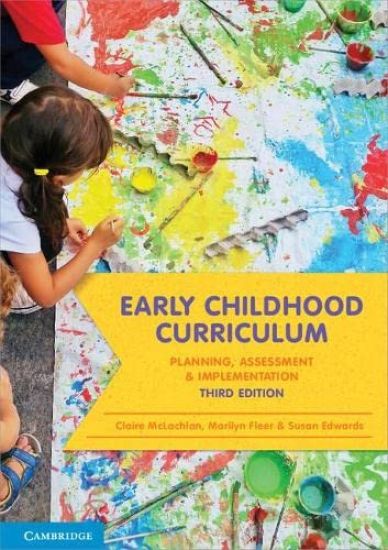
The third edition of Early Childhood Curriculum provides a comprehensive and accessible introduction to curriculum theories and approaches in early childhood and early primary settings. Drawing on a cultural-historical framework for education, the text explores a variety of approaches to learning and teaching and equips readers with the tools to effectively plan, design and implement curriculum strategies. Thoroughly revised and updated, this edition features up-to-date coverage of national curriculum documents, including the Early Years Learning Framework and Te Whariki, and expanded content on play-based curriculum, assessment and documentation. Key domain areas of the curriculum are explored in depth and have been revised to include updated discussions of environmental factors, digital knowledge and multiliteracies. Each chapter is enriched with learning intentions, definitions of key terms, reflection points, links to current curriculum documents and illustrative case studies to help readers connect theory to practice.
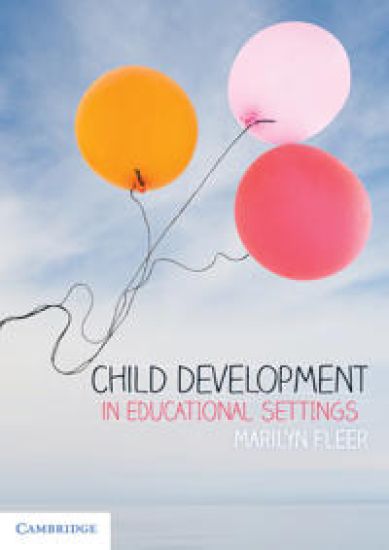
Child Development in Educational Settings provides a comprehensive introduction to traditional and contemporary theories of development and learning in the contexts of early childhood and primary education. Drawing upon the experiences and perspectives of children, families, educators and Aboriginal and Torres Strait Islander scholars, Marilyn Fleer provides insights into significant theories and approaches, including cultural-historical, constructivist, social constructivist, maturational and ecological systems. The book features four major case studies, which are revisited throughout, to examine how learning and development can be re-imagined within socially, culturally and linguistically diverse communities. This approach enables readers to use theories to analyse and measure learning and development in planning and curriculum, and to feel empowered to enact change in their educational settings. Written in an engaging and accessible style, Child Development in Educational Settings is an essential resource for pre-service teachers and professionals alike.
This book moves beyond the traditional constructivist and social-constructivist view of learning and development in science. It draws upon cultural-historical theory in order to theorise early childhood science education in relation to our currently globalised education contexts. The book argues that concept development in science for young children can be better theorised by using Vygotsky’s concept of Imagination and creativity, Vygotsky’s theory of play, and his work on higher mental functions, particularly the concept of inter and intrapsychological functioning. Key concepts are extracted from the theoretical section of the book and used as categories for analysis in presenting evidence and new ideas in the second section of the book. In this second part of the book, the authors examine how science knowledge has been constructed within particular countries around the globe, where empirical research in early childhood science education has occurred. The third part of the book examines the nature of the encounter between the teacher and the child during science learning and teaching. In the final part of the book the authors look closely at the range of models and approaches to the teaching of early childhood science that have been made available to early childhood teachers to guide their planning and teaching. They conclude the book with a theoretical discussion of the cultural-historical foundation for early childhood science education, followed by a model of teaching scientific concepts to young children in play-based settings, including homes and community contexts.
Technologies for Children presents a comprehensive array of contextual examples for teaching design and technology to children from birth to twelve years. Aligning with the Australian Curriculum - Technologies, this book focuses predominantly on design technologies, with special reference to digital technologies. It provides both theory and practical ideas for teaching infants, toddlers, preschoolers and primary children. Each chapter explores a different approach to teaching technologies education, along with elements of planning such as project management, achievement standards and pedagogy. Technologies for Children provides a framework for critiquing these approaches in order to make informed choices about them. Drawing on over 25 years of experience, Marilyn Fleer presents clear approaches that are readily applicable in the classroom, and equips students with the necessary skills and knowledge for teaching design and technology education in Australia.
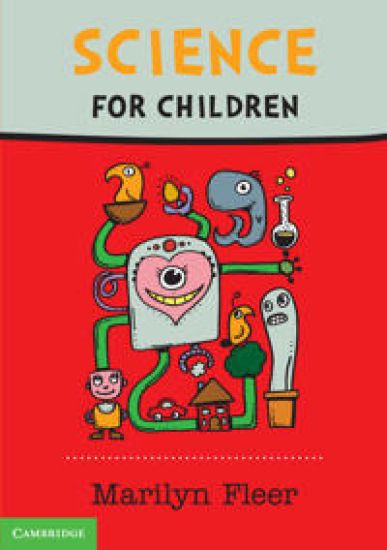
Science for Children introduces readers to the pedagogy of primary and early childhood science education. The book pays special attention to the three strands of science, in accordance with the Australian Curriculum. It also uses the practice principles and learning outcomes of the national Early Years Learning Framework to present content for babies through to the transition into the Foundation year at school. Science for Children explores various approaches to teaching and learning in science. It covers inquiry approaches in detail; makes explicit links to the 5Es; critiques longstanding approaches, such as discovery approaches and a transmission approach; and explores Indigenous perspectives and a Vygotskian framework. This allows the reader to make informed choices about when to use a particular approach in primary classrooms and early childhood settings. Designed to prepare future educators for practice, Science for Children challenges students and offers practical classroom-based strategies for their science teaching careers.
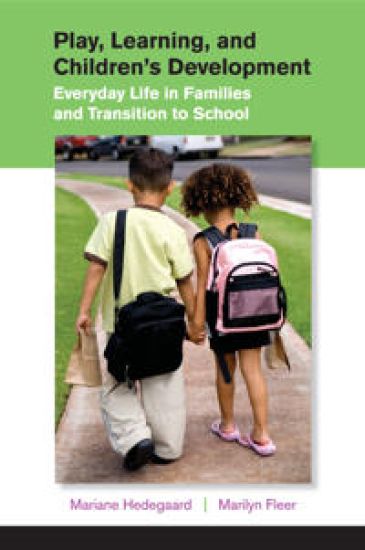
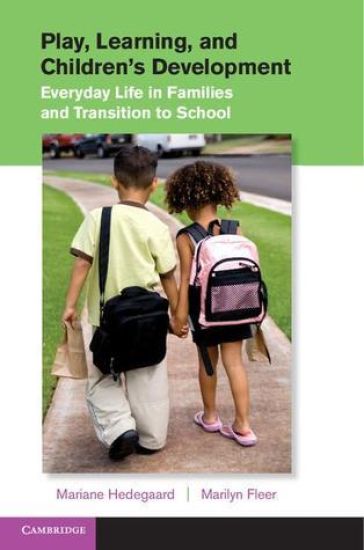
This book explores the dynamics in children's everyday lives as they move between school and the family, with particular consideration of how children's motives change in response to new challenges. Professors Mariane Hedegaard and Marilyn Fleer follow four children, two from Australia and two from Denmark, over a twelve-month period. Using these case studies, they show how children's everyday activities, play, and the demands of both family and educational contexts influence their learning and development. The authors contribute to a sociocultural theory formulation that includes the child's perspective in cultural historical contexts. Their approach yields insights that transcend specific nationalities, cultures, and socioeconomic situations. The analysis shows not just how children's family life shapes their experiences in school, but how schools influence and shape their lives at home.
This book moves beyond the traditional constructivist and social-constructivist view of learning and development in science. It draws upon cultural-historical theory in order to theorise early childhood science education in relation to our currently globalised education contexts. The book argues that concept development in science for young children can be better theorised by using Vygotsky’s concept of Imagination and creativity, Vygotsky’s theory of play, and his work on higher mental functions, particularly the concept of inter and intrapsychological functioning. Key concepts are extracted from the theoretical section of the book and used as categories for analysis in presenting evidence and new ideas in the second section of the book. In this second part of the book, the authors examine how science knowledge has been constructed within particular countries around the globe, where empirical research in early childhood science education has occurred. The third part of the book examines the nature of the encounter between the teacher and the child during science learning and teaching. In the final part of the book the authors look closely at the range of models and approaches to the teaching of early childhood science that have been made available to early childhood teachers to guide their planning and teaching. They conclude the book with a theoretical discussion of the cultural-historical foundation for early childhood science education, followed by a model of teaching scientific concepts to young children in play-based settings, including homes and community contexts.
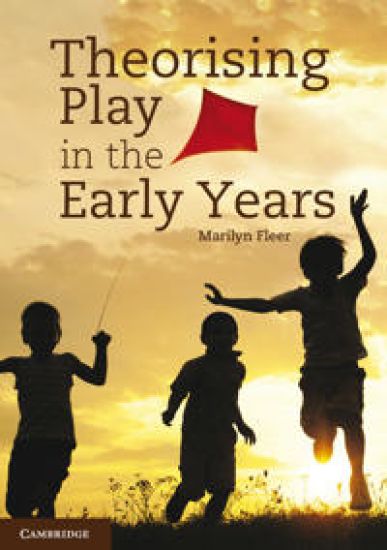
Theorising Play in the Early Years is a theoretical and empirical exploration of the concept of pedagogy and play in early childhood education. The book provides an in-depth examination of classical and contemporary theories of play, with a focus on post-developmental perspectives and Vygotskian theory. In this book, Marilyn Fleer draws on a range of cross-cultural research in order to challenge Western perspectives and to move beyond a universal view of the construct of play. Culture and context are central to the understanding of how play is valued, expressed and used as a pedagogical approach in early childhood education across the international community. Designed as a companion to the textbook Play in the Early Years, but also useful on its own, Theorising Play in the Early Years provides indispensable support to academics and TAFE lecturers in early childhood education in their course development and research.
This book explores the dynamics in children's everyday lives as they move between school and the family, with particular consideration of how children's motives change in response to new challenges. Professors Mariane Hedegaard and Marilyn Fleer follow four children, two from Australia and two from Denmark, over a twelve-month period. Using these case studies, they show how children's everyday activities, play, and the demands of both family and educational contexts influence their learning and development. The authors contribute to a sociocultural theory formulation that includes the child's perspective in cultural historical contexts. Their approach yields insights that transcend specific nationalities, cultures, and socioeconomic situations. The analysis shows not just how children's family life shapes their experiences in school, but how schools influence and shape their lives at home.
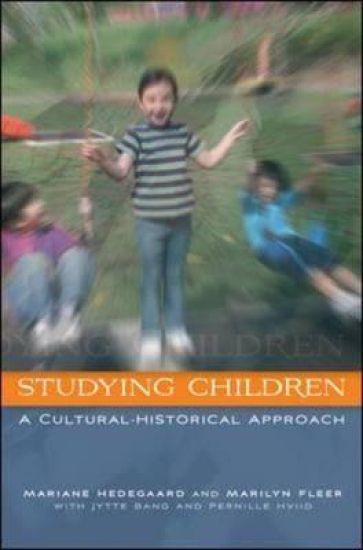
Studying Children is the first book of its kind to offer a theoretical and practical discussion of how to undertake research using cultural-historical theory when researching the everyday lives of children.The authors discuss the complexities of child development, providing a critique of alternative perspectives of research and notions of development. They provide a number of case studies following researchers in early childhood as they move from a developmental approach to a cultural-historical framework for observing and planning for young children. The chapters: Provide a solid framework for understanding the foundations of this approach Address the importance of viewing research as an interactive technique Offer guidance on how to collect and interpret material Show how to make observations of and interviews with children, within a dialectical research approach Present examples of how to write and present findings using this techniqueThe book is rich with examples of how to undertake specific methods, such as surveys, experiments, case studies, digital video observations, interviews, and children as researchers. Studying Children is a valuable resource for academics, researchers and students working in the field of Early and Middle Childhood at both undergraduate and postgraduate level.