

Kirjailija
Mario Vargas Llosa
Kirjat ja teokset yhdessä paikassa: 135 kirjaa, julkaisuja vuosilta 1983-2027, suosituimpien joukossa The Neighborhood. Vertaile teosten hintoja ja tarkista saatavuus suomalaisista kirjakaupoista.
135 kirjaa
Kirjojen julkaisuhaarukka 1983-2027.
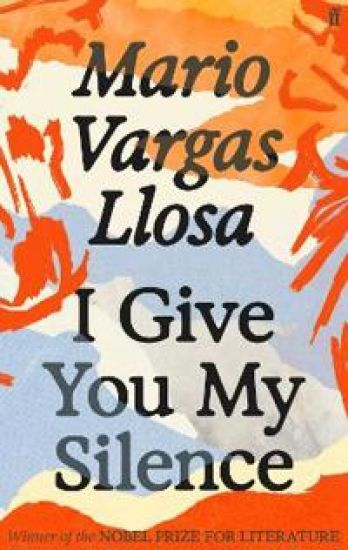
'A titan of Latin American literature.' New York Times 'A powerhouse of literary energy.' William Boyd The final novel from Nobel laureate Mario Vargas Llosa, a playful and powerful love letter to Peruvian culture. One evening, Toño Azpilcueta, a Peruvian folk music journalist, witnesses a performance that changes his life. Toño becomes obsessed with hearing the virtuoso guitarist Lalo Molfino play again, but the next he hears, Molfino is dead. So begins a quest to uncover the story of this unforgettable musician. Toño tracks down the priest who rescued Molfino from a rubbish heap and raised him, the musicians who played with him and the girl who claimed to love him. Toño decides that he will write a book that will not only immortalize the hero of the Creole vals but will establish the music he loved as a unifying symbol for his fractured country. But the more Toño writes, the more he struggles to keep control of his story. As his savings dwindle and his paranoia rises, it becomes clear that writing a masterpiece is more complicated and consuming than he had realised.

La Fiesta del Chivo (Edición Conmemorativa) / The Feast of the Goat (Commemorative Edition)
Mario Vargas Llosa
Debolsillo
2026
sidottu
Edici n limitada conmemorativa que celebra el 25. aniversario de la publicaci n de la novela Vargas Llosa, Premio Nobel de Literatura y Pr ncipe de Asturias de las Letras, relata el fin de una era dando voz al impecable e implacable general Trujillo, apodado el Chivo, y al sosegado y h bil doctor Balaguer (sempiterno presidente de la Rep blica Dominicana). Uno de los mejores libros en espa ol de los ltimos 25 a os seg n Babelia. Por qu regresa Urania Cabral a la isla que jur no volver a pisar? Por qu sigue vac a y llena de miedo desde los catorce a os? Por qu no ha tenido un solo amor? En La Fiesta del Chivo (2000) asistimos a un doble retorno. Mientras Urania visita a su padre en Santo Domingo, volvemos a 1961, cuando la capital dominicana a n se llamaba Ciudad Trujillo. All un hombre que no suda tiraniza a tres millones de personas sin saber que se gesta una maquiav lica transici n a la democracia Con un ritmo y una precisi n dif cilmente superables, este peruano universal muestra que la pol tica puede consistir en abrirse camino entre cad veres, y que un ser inocente puede convertirse en un regalo truculento. Mejor novela espa ola del siglo XXI seg n los expertos consultados por el diario ABC. ENGLISH DESCRIPTION Commemorative limited edition celebrating the 25th anniversary of the novel's publication. Mario Vargas Llosa, Nobel Prize in Literature and Pr ncipe de Asturias Prize in Literature, recounts the end of an era by giving voice to the implacable and impeccable General Trujillo, nicknamed the Goat, and to the calm and able Doctor Balaguer (sempiternal president of Dominican Republic.) One of the best books in Spanish in the last 25 years, according to Babelia. Why does Urania Cabral return to the island she swore she'd never set foot on again? Why has she felt empty and afraid since she turned fourteen? Why has she never been in love? In The Feast of the Goat (2000) we witness a double return. While Urania visits her father in Santo Domingo, we go back to 1961, when the Dominican capital was still called Ciudad Trujillo. There, a man who doesn't break a sweat tyrannizes three million people unaware that a Machiavellian transition to democracy is brewing. With rhythm and almost unsurmountable precision, this universal Peruvian shows us that politics can comprise making way among dead bodies, and an innocent may become a gruesome gift. The best novel in the Spanish language in the XXI century, according to experts consulted by the newspaper ABC.

Estuche Vargas Llosa Esencial / Essential Vargas Llosa Box Set
Mario Vargas Llosa
Debolsillo
2026
sidottu
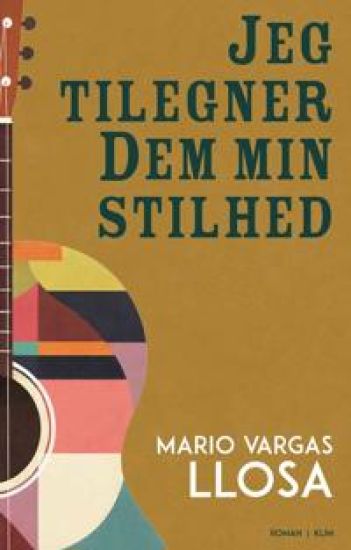
Nobelpristager Mario Vargas Llosas’ seneste roman udkommer nu på dansk. Denne bog er tilsyneladende skrevet af hovedpersonen Toño Azpilcueta. Hans arbejde med at skrive artikler bliver til den bog, han bestemmer sig for at skrive og iblandes overvejelser over peruansk dans og musik. Toño arbejder på en teori om, at valsen formår at forene peruanerne på tværs af etniske grupper, på tværs af klasser og på tværs af borgerkrigen. En aften hører han guitaristen Lalo Molfino spille, og koncerten efterfølges af en eminent stilhed. Det bliver starten på en stormomsust akademisk karriere og en poetisk-politisk stræben hos vores hovedperson, der blander ideologi og lidenskab med realpolitik. Toño når at forvandle romantisk kærlighed til vellykket venskab. Men kan hans musikteori også forene et splittet Peru? Mario Vargas Llosa er født i Peru i 1936, og han er en mester i episke fortællinger – oftest med et historisk bagtæppe. Allerede med sin debutroman Byen og hundene fra 1962 begyndte Llosa sin kritik af den vold og undertrykkelse, som præger de latinamerikanske samfund og hele den moderne civilisation, en kritik, der går som en rød tråd gennem forfatterskabet. Man mærker historiens bevægelse og storslåethed samtidig med individets kamp for et ståsted i hans værker.
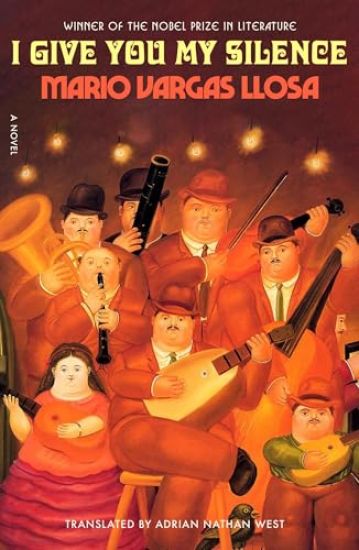
In his final novel, the Nobel Prize winner Mario Vargas Llosa returns to his native Peru. To o Azpilcueta, writer of sundry articles, aspirant to the now defunct professorship of Peruvian studies, is an expert in the vals, a genre of music descended from the European waltz but rooted in New World Creole culture. When he hears a performance by the solitary and elusive guitarist Lalo Molfino, he is convinced not only that he is in the presence of the country's finest musician, but that his own love for Peruvian music, as he has long suspected, has a profound social function. If he could just write the biography of the man before him and tell the story of both the vals and its attendant inspiring ethos, huachafer a (Peru's most important contribution to world culture, according to To o), he might capture his country's soul and inspire his fellow citizens remember the ties that bind them. Through music, the populace might unite and lay down their arms and embrace a harmonious and unified Peruvian culture. Both a send-up of parochial idealism and a love song to the culture of his homeland, Mario Vargas Llosa's I Give You My Silence is the final novel of the Peruvian Nobel Prize winner, whose enduring works captured a changing Latin America. His tragic hero To o, a man whose love for a democratic, proletarian music is at odds with the culture and politics of a modern Peru scarred by violence, is the writer's last statement on the revelatory, maddening, and irrepressible belief in the transformative power of art.


La Tentación de Lo Imposible: Victor Hugo Y Los Miserables / The Temptation of the Impossible: Victor Hugo and Les Misérables
Mario Vargas Llosa
Alfaguara
2025
nidottu
Mario Vargas Llosa se adentra en la novela Los Miserables desde la perspectiva del lector agudo, del entusiasta, del creador que sabe c mo se construye una gran obra. Encontramos as los secretos mecanismos que movieron la pluma de Victor Hugo para crear la gran novela rom ntica francesa. «Los Miserables es una de esas obras que han hecho desear a m s hombres y mujeres de todas las lenguas y culturas un mundo m s justo, m s racional y m s bello que aquel en el que viv an. Mario Vargas Llosa se adentra en la novela Los Miserables desde la perspectiva del lector agudo, del entusiasta, del creador que sabe c mo se construye una gran obra. Encontramos as los secretos mecanismos que movieron la pluma de Victor Hugo para crear la gran novela rom ntica francesa. La tentaci n de lo imposible no es un libro que trata sobre otro libro. El autor peruano no se deja nublar por las palabras y desvela las claves con las que el franc s dej constancia de su creaci n. Nos descubre esas huellas que hablan de un Victor Hugo escritor, pol tico y ante todo humano; un personaje m s de la novela que sabe disfrazarse de narrador o de protagonista y que tambi n sabe c mo desaparecer sin dejar rastro. ENGLISH DESCRIPTION It was one of the most popular novels of the nineteenth century and Tolstoy called it "the greatest of all novels." Yet today Victor Hugo's Les Mis rables is neglected by readers and undervalued by critics. In The Temptation of the Impossible, one of the world's great novelists, Mario Vargas Llosa, helps us to appreciate the incredible ambition, power, and beauty of Hugo's masterpiece and, in the process, presents a humane vision of fiction as an alternative reality that can help us imagine a different and better world. Hugo, Vargas Llosa says, had at least two goals in Les Mis rables--to create a complete fictional world and, through it, to change the real world. Despite the impossibility of these aims, Hugo makes them infectious, sweeping up the reader with his energy and linguistic and narrative skill. Les Mis rables, Vargas Llosa argues, embodies a utopian vision of literature--the idea that literature can not only give us a supreme experience of beauty, but also make us more virtuous citizens, and even grant us a glimpse of the "afterlife, the immortal soul, God." If Hugo's aspiration to transform individual and social life through literature now seems innocent, Vargas Llosa says, it is still a powerful ideal that great novels like Les Mis rables can persuade us is true.

El Reverso de la Utopía: América Latina Y Oriente Medio / The Other Side of Utopia: Latin America and the Middle East
Mario Vargas Llosa
Alfaguara
2025
nidottu
«Que, entendidas en t rminos extremos, la libertad y la igualdad sean opciones al rgicas la una a la otra no puede querer decir que estemos condenados a la injusticia. Sino, m s sencillamente, que hay que renunciar a las utop as, a las opciones extremas . Firme defensor de ideales como la libertad y la democracia, durante m s de cinco d cadas Mario Vargas Llosa ha reflexionado en su obra literaria y en sus textos period sticos sobre los problemas que conlleva la utop a pol tica. Las piezas reunidas en este volumen colocan en el foco tres contextos que el autor conoce de primera mano. «A pesar de que Am rica Latina, Israel e Irak son lugares distantes, con historias culturales y pol ticas dif cilmente equiparables, no es tan dif cil encontrar un hilo invisible que los une. ...] Aquel periodo de tranquilidad ideol gica que parec a haber llegado con la ca da del comunismo demostr ser una ilusi n. La historia segu a viva, m s que nunca. El radicalismo isl mico, el nacionalismo y el populismo no han dejado en estos a os de ser amenazas serias para la libertad y la democracia. Estos ideales se han alejado un poco m s, lamentablemente. Am rica Latina no se convirti en un oasis purgado de todos los vicios modernos, ni en la regi n donde surgir a un socialismo humanista y libertario. Al contrario, ha sido la pol tica del resto de Occidente la que ha terminado pareci ndose a la latinoamericana: los demonios incubados en el reverso de la utop a --el fanatismo, el nacionalismo, el odio sectario, el populismo-- andan sueltos, y ahora acechan a la humanidad entera . -- Del pr logo de Carlos Gran s ENGLISH DESCRIPTION "That freedom and equality as options, understood in extreme terms, are allergic to one another cannot mean that we are doomed to injustice. But more plainly, that we must renounce utopias, extreme options." Firm defender of such ideals as freedom and democracy for over five decades, Mario Vargas Llosa has reflected in his literary and journalistic works on the problems that political utopias entail. The pieces gathered in this volume turn the spotlight to three contexts the author knows first hand. "Even though Latin America, Israel, and Iraq are distant places, with cultural and political histories that are hardly equivalent, it is not so difficult to find an invisible thread binding them... That period of ideological tranquility that seemed to have arrived with the end of communism proved to be an illusion. History was still alive, more than ever. Islamic radicalism, nationalism, and populism have not stop being serious threats to freedom and democracy this past few years. These ideals have drifted further away, unfortunately. Latin America did not become an oasis purged of all modern vice, nor in the region where a humanist and libertarian socialism could arise. On the contrary, politics from the rest of the Western world ended up resembling the Latin-American: the demons incubated at the reverse of this utopia--fanatism, nationalism, sectarian hatred, populism--are on the loose, and now threaten humanity at large." --From the prologue, by Carlos Gran s


El País de Las Mil Caras: Escritos Sobre El Perú / A Country of a Thousand Faces: Writings about Peru
Mario Vargas Llosa
Alfaguara
2024
nidottu
«El Per es para m una especie de enfermedad incurable y mi relaci n con l es intensa, spera, llena de la violencia que caracteriza a la pasi n . Las m s de cinco d cadas durante las que se ha desarrollado la labor period stica de Mario Vargas Llosa est n jalonadas de textos imprescindibles sobre la cultura, la pol tica, la historia y la realidad social de Per cuya lectura en este volumen revela al lector la profunda vinculaci n del Premio Nobel de Literatura con su pa s natal. « ste es el Per de Mario Vargas Llosa, el que recorri , vivi y vio evolucionar social, cultural y pol ticamente. El pa s en el que se inspir para escribir sus novelas, el que incub sus demonios literarios y el que despert su inconformismo y su curiosidad intelectual. ste es el Per en el que proyect sus ilusiones y con el que se enfrasc en m s de una escaramuza; la sociedad que quiso transformar desde la acci n pol tica y que finalmente ayud a moldear desde el debate p blico. Si como novelista Vargas Llosa logr fijar una imagen del Per que hoy es mundialmente reconocida --una imagen ficticia, m tica, que sin embargo resume de manera fiel los conflictos, dilemas, frustraciones y anhelos de la vida peruana--, como intelectual logr contagiar a la sociedad con sus preocupaciones, ideas, gustos y valores. No es exagerado decir que la conversaci n publica en el Per actual es la que es, en gran medida, porque a lo largo del ltimo medio siglo Vargas Llosa ha publicado determinados art culos y determinados ensayos, y porque con ellos logr abrir debates econ micos, morales, ideol gicos y est ticos de enorme impacto en los distintos mbitos de la vida peruana . Del pr logo de Carlos Gran s ENGLISH DESCRIPTION "Peru is to me a sort of incurable disease, and my relationship with it is intense, rough, full of the characteristic violence in passion." The more than five decades during which Mario Vargas Llosa's journalistic work has been developing are dotted by essential works on culture, politics, history, and Peru's social reality, and in this volume, he reveals to the reader the deep bond the Nobel Prize winner has with his native country. "This is Mario Vargas Llosa's Peru, the one he traveled, lived, and watched evolve socially, culturally, and politically. The country that inspired him to write his novels, the one that incubated his literary demons, and the one that sparked his nonconformity and his intellectual curiosity. This is the Peru where Vargas Llosa cast his illusions, and the one he skirmished with more than once; the society he wanted to transform through political action and which he finally got to mold through public debate. If, as a novelist, Vargas Llosa managed to set an image of Peru today that is known worldwide--a fictitious, mythical image, that nevertheless faithfully summarizes the conflicts, dilemmas, frustrations, and yearnings of Peruvian life--as an intellectual he managed to spread his concerns, ideas, tastes, and values through society. It is no exaggeration to say that public dialogue in current Peru largely is what it is because Vargas Llosa has been publishing certain articles and certain essays for the last half a century, and because through them he managed to open financial, moral, ideological, and artistic debates of great impact in the different spheres of Peruvian life." From the prologue by Carlos Gran s.

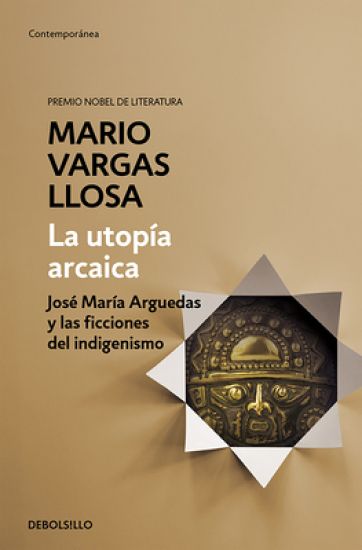
La Utopía Arcaica: José María Arguedas Y Las Ficciones del Indigenismo / The Archaic Utopia. José Maria Arguedas and the Indigenists Fiction
Mario Vargas Llosa
Debolsillo
2024
nidottu
En La utop a arcaica, Mario Vargas Llosa nos acerca a la figura del novelista peruano Jos Mar a Arguedas, una de las m s importantes del movimiento indigenista latinoamericano, conocido por su compromiso revolucionario. «Mi inter s por Arguedas no se debe solo a sus libros; tambi n a su caso, privilegiado y pat tico. Privilegiado porque en un pa s escindido en dos mundos, dos lenguas, dos culturas, dos tradiciones hist ricas, a l le fue dado conocer ambas realidades ntimamente, en sus miserias y grandezas. Pat tico porque el arraigo en esos dos mundos antag nicos hizo de l un desarraigado. -Mario Vargas Llosa Antrop logo, universitario e intelectual militante, Arguedas «fue un hombre bueno y un buen escritor, pero hubiera podido serlo m s si, por su sensibilidad extrema, su generosidad, su ingenuidad y su confusi n ideol gica, no hubiera cedido a la presi n pol tica del medio acad mico e intelectual en el que se mov a para que, renunciando a su vocaci n natural hacia la enso aci n, la memoria privada y el lirismo, hiciera literatura social, indigenista y revolucionaria , como afirma el propio Vargas Llosa. Cruce entre la biograf a, la historia y la cr tica literaria, La utop a arcaica dibuja un fresco del contexto hist rico del pa s, rese a la vida de Arguedas, matiza sus libros y trata de describir la inmolaci n de un talento literario por razones ticas y pol ticas. ENGLISH DESCRIPTION A cross between biographical, historical, and literary critique genres, The Archaic Utopia is a fresco that illustrates Peru's historical context as well as an account of Arguedas' life, an explanation of his work, and an attempt to describe the immolation of a literary genius for ethical and political reasons. An anthropologist, scholar, and intellectual militant, Peruvian novelist Jos Mar a Arguedas was considered one of the foremost figures of the Indigenists Movement in Latin America and a committed revolutionary.

Travesuras de la Niña Mala (60 Aniversario de Alfaguara) / The Bad Girl
Mario Vargas Llosa
Alfaguara
2024
nidottu
Creando una admirable tensi n entre lo c mico y lo tr gico, el Premio Nobel de Literatura y Pr ncipe de Asturias de las Letras, Mario Vargas Llosa, libera en esta novela una historia en la que el amor se nos muestra indefinible, due o de mil caras, como la ni a mala. Ricardo ve cumplido, a una edad muy temprana, el sue o de vivir en Par s. Pero el reencuentro con un amor de adolescencia lo cambiar todo. La joven, inconformista, aventurera, pragm tica e inquieta, lo arrastrar fuera del peque o mundo de sus ambiciones. Testigos de pocas convulsas y florecientes en ciudades como Londres, Par s, Tokio o Madrid, ambos personajes ver n sus vidas entrelazarse sin llegar a coincidir del todo. Esta danza de encuentros y desencuentros har crecer la intensidad del relato p gina a p gina hasta propiciar una verdadera fusi n del lector con el universo emocional de los protagonistas. Pasi n y distancia, azar y destino, dolor y disfrute... Cu l es el verdadero rostro del amor? ENGLISH DESCRIPTION A New York Times Notable Book of 2007 From Nobel Prize-winning author Mario Vargas Llosa comes The Bad Girl, a "...splendid, suspenseful, and irresistible novel]. . . A contemporary love story that explores the mores of the urban 1960s--and 70s and 80s."--The New York Times Book Review Ricardo Somocurcio is in love with a bad girl. He loves her as a teenager known as "Lily" in Lima in 1950, when she fits into his life one summer and disappears again without explanation. He loves her still when she reappears as a revolutionary in 1960s Paris, then later as Mrs. Richardson, the wife of a wealthy Englishman, and again as the mistress of a sinister Japanese businessman in Tokyo. However poorly she treats him, he is doomed to worship her. Charting Ricardo's expatriate life through his romances with this shape-shifting woman, Vargas Llosa has created a beguiling, epic romance about the life-altering power of obsession.

I sin ungdom i forelsker Ricardo sig i den slemme pige, som slet ikke virker så slem endda. Da han senere møder hende i Paris, brænder hans kærlighed fortsat med samme altfortærende styrke, og som den pæne dreng han er, tøver han ikke med at kaste sig hovedkulds ind i kærligheden – heller ikke selvom den slemme pige virker mere og mere slem.Denne roman er Nobelpristageren Mario Vargas Llosas litterære jagt på kærlighedens komplekse, lidenskabelige og mystiske natur og samtidig et overdådigt kulturelt tidsbillede.Den slemme pige udfordrer den pæne dreng, hans konformitet og begrænsede ambitionsniveau, og de to mødes igen og igen med hele verden som scene for deres tragikomiske forestilling. Fra hjemlandet Peru til Paris over London, Tokyo og Madrid.“En pragtfuld, spændende og uimodståelig fortælling . . . En nutidig kærlighedshistorie, der udforsker 1960'ernes, 70'ernes og 80'ernes kærlighedssyn”New York Times


Canudos er en fattig landsby i en øde egn af Brasilien. Vi er i 1890erne, slaveriet og monarkiet er afskaffet, men det er fattigdommen og analfabetismen ikke. Få ejer meget, de fleste ejer ingenting, og engang mellem rammes området af tørke og folk mister den smule, de har.I denne gudsforladte del af verden går en prædikant rundt og prædiker guds ord. Langsomt men sikkert vokser hans ry, og folk strømmer til hans nærhed for at høre hans kristne budskab, og Antonio Rådgiveren – som han kaldes – nøjes ikke med at prædike.Han bygger kirker, renoverer kirkegårde og lever i fattigdom. Hans ord er så indtrængende, at han ikke bare tiltrækker de sædvanlige fromme, men også forhenværende røvere, mordere, forbrydere, skøger, cirkusfolk og utilpassede og fattige mennesker.Krigen ved Verdens Ende er en roman som ingen anden. Her færdes intellektuelle og analfabeter, tidligere slaver og herskabsfolk, røvere og jomfruer side om side. Igennem alle disse aparte personligheder ser vi verden som et spejl, for hvem er egentlig de sande galninge: dem der tjener gud eller dem, der tjener sig selv?
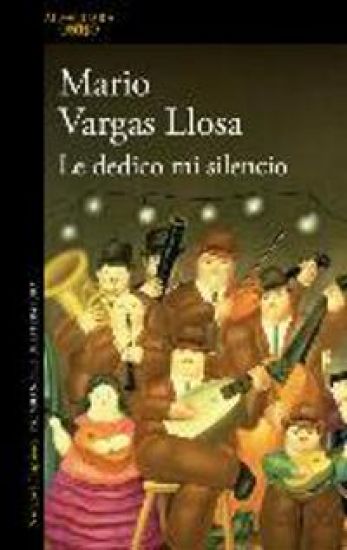
El autor m s prestigioso de la literatura actual en espa ol regresa con una novela ambientada en su Per natal. Le dedico mi silencio narra la historia de un hombre que so un pa s unido por la m sica, y enloqueci queriendo escribir un libro perfecto que lo contara. «El vals, nacido en los callejones de Lima, integr al Per . Aqu cuento esa historia, y con ella agradezco un secreto amor que me ha acompa ado toda la vida: el que siento por la m sica criolla y, en especial, por el vals de mi pa s . -Mario Vargas Llosa To o Azpilcueta, experto en m sica criolla, descubre a un guitarrista virtuoso, Lalo Molfino, cuyo talento parece confirmar todas sus intuiciones: el amor profundo que siente por los valses, marineras, polkas y huaynos peruanos tiene una justificaci n social. Tal vez lo que ocurra es que la m sica criolla sea, en realidad, no s lo una se a de identidad de todo un pa s y expresi n de esa actitud tan peruana de la huachafer a («la mayor contribuci n de Per a la cultural universal , seg n To o Azpilcueta), sino algo mucho m s importante: un elemento capaz de provocar una revoluci n social, de derribar prejuicios y barreras raciales para unir al pa s entero en un abrazo fraterno y mestizo. En un pa s fracturado y asolado por la violencia de Sendero Luminoso (la novela transcurre a principios de la d cada de los noventa, en plena ofensiva terrorista), la m sica podr a ser aquello que recuerde a todos los que conforman la sociedad que, por encima de cualquier otra cosa, son hermanos y compatriotas. Y en esto, es posible que el virtuosismo de Lalo Molfino tenga mucho que ver. To o Azpilcueta decide investigar m s sobre este guitarrista, viajar a su lugar de origen, conocer a este personaje esquivo, saber de su historia, de su familia y amores, de c mo lleg a convertirse en un m sico tan excelso. Y se propone tambi n escribir un libro donde contar la historia de la m sica criolla y desarrollar esa idea que ha inoculado en su mente el descubrimiento de este m sico extraordinario. ENGLISH DESCRIPTION The most prestigious author in Spanish literature today returns with a novel set in his native Peru. I Give You My Silence is the story of a man who dreamed of a country united by music and went mad trying to write the perfect book to tell it. "The waltz, born in the alleyways of Lima, integrated Peru. Here I tell this story, and with it I thank a secret love that has been with me my entire life: the love I feel for Creole music, specially, for my country's waltz." --Mario Vargas Llosa To o Azpilcueta, Creole music expert, discovers a guitar virtuoso, Lalo Molfino, whose talent seems to confirm every instinct: his profound love for Peruvian waltzes, marineras, polkas, and huaynos has social grounds. Maybe what happens is that Creole music is in fact not just a symbol of an entire country's identity and the expression of a very Peruvian attitude, huachaferia ("Peru's greatest contribution to universal culture," according to To o Azpilcueta), but something of far greater importance, an element capable of igniting a social revolution, of tearing down prejudices and social barriers to unite a country in one brotherly, mixed-race hug. In a country fractured and devastated by Sendero Luminoso's violence (the novel is set at the beginning of the nineteen-nineties, at the height of the terrorist campaign, ) music could remind society at large that they are brothers and sisters, and fellow countryfolk. And it is possible that Lalo Molfino's virtuosity has much to do with this. To o Azpilcueta is set to investigate more about this guitar player, go to his birthplace, get to know this elusive character, learn his personal history, his family history, and his love stories, how he became such a magnificent musician. And he is also determined to write a book about Creole music and develop the idea inoculated in his mind after finding this extraordinary musician.