Kirjojen hintavertailu. Mukana 12 390 323 kirjaa ja 12 kauppaa.

Kirjailija

Mark Cieslik

Kirjat ja teokset yhdessä paikassa: 8 kirjaa, julkaisuja vuosilta 2003-2019, suosituimpien joukossa Poor transitions. Vertaile teosten hintoja ja tarkista saatavuus suomalaisista kirjakaupoista.

8 kirjaa

Kirjojen julkaisuhaarukka 2003-2019.

Young People in Risk Society

Young People in Risk Society

Mark Cieslik; Gary Pollock

Routledge
2019
nidottu
This title was first published in 2002: Loosely divided into two sections, this book's first part includes chapters which explore young people's identities and youth cultures in relation to issues such as drug use, education and dance music. In various ways, the authors examine whether there is a need to rethink the existing theories and concepts which have informed the study of youth cultures and identities. The second part to the volume is concerned with how young people experience "transtitions", in relation to such topics as employment, sexuality, and household formation. The chapters also raise theoretical questions on the usefulness of the transition concept in late modernity, illustrating how the reshaping of key institutions in late modernity has had a profound effect on the sorts of transitions young people make today. In addressing such issues the authors examine the potential contribution that concepts around risk and risk society and new Third Way social policy initiatives can have to contemporary youth studies.

The Happiness Riddle and the Quest for a Good Life
This book examines the meaning of happiness in Britain today, and observes that although we face challenges such as austerity, climate change and disenchantment with politics, we continue to be interested in happiness and living well. The author illustrates how happiness is a far more contested, social process than is often portrayed by economists and psychologists, and takes issue with sociologists who often regard wellbeing and the happiness industry with suspicion, whilst neglecting one of the key features of being human – the quest for a good life. Exploring themes that question what it means to be happy and live a good life in Britain today, such as the challenges young people face making their way through education and into their first jobs; work life-balance; mid-life crises; and old age, the book presents nineteen life stories that call for a far more critical and ambitious approach to happiness research that marries the radicalism of sociology, with recent advances in psychology and economics. This book will appeal to students and academics interested in wellbeing, happiness and quality of life and also those researching areas such as the life course, work-life balance, biographies, aging and youth studies.
Young People in Risk Society: The Restructuring of Youth Identities and Transitions in Late Modernity
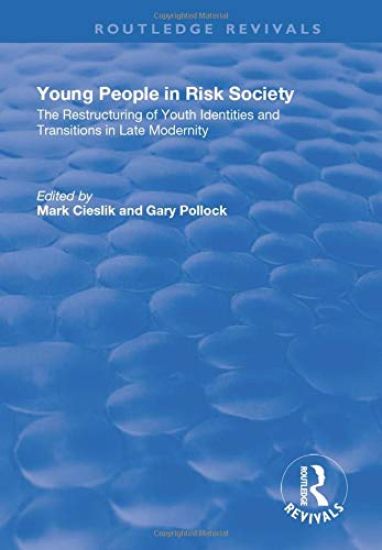
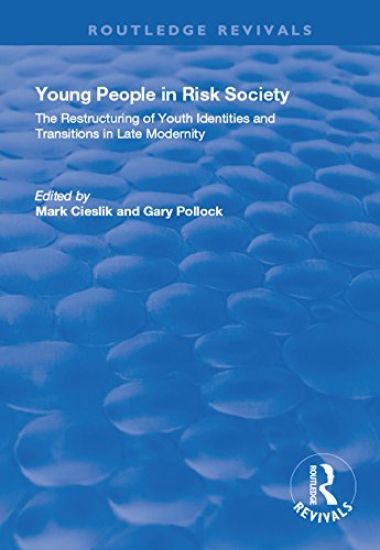
This title was first published in 2002: Loosely divided into two sections, this book's first part includes chapters which explore young people's identities and youth cultures in relation to issues such as drug use, education and dance music. In various ways, the authors examine whether there is a need to rethink the existing theories and concepts which have informed the study of youth cultures and identities. The second part to the volume is concerned with how young people experience "transtitions", in relation to such topics as employment, sexuality, and household formation. The chapters also raise theoretical questions on the usefulness of the transition concept in late modernity, illustrating how the reshaping of key institutions in late modernity has had a profound effect on the sorts of transitions young people make today. In addressing such issues the authors examine the potential contribution that concepts around risk and risk society and new Third Way social policy initiatives can have to contemporary youth studies.
Key Concepts in Youth Studies

Key Concepts in Youth Studies

Mark Cieslik; Donald Simpson

SAGE Publications Ltd
2013
sidottu
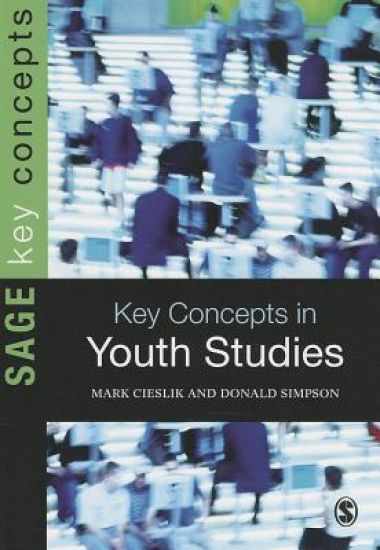
What is youth? How do we understand youth in its social and cultural context? Mark Cieslik and Donald Simpson here provide a concise and readily accessible introduction to the interdisciplinary field of youth studies. Drawing upon the latest research and developments in the field, as well as discussing the fundamental ideas underlying the discipline as a whole, it offers a comprehensive yet unpacked understanding of youth as a social phenomenon. Illuminating the many abstract and contested concepts within youth studies, the book offers explanations to questions such as: How might we define youth?How can we understand young people in relation to their social identities and practices?What is the relationship between youth and social class?How do youth cultures develop?How can we understand youth in a globalized perspective? Key Concepts in Youth Studies stands out as a natural companion for students on youth studies, sociology, criminology and social science programmes. It will also be useful for youth practitioners such as social workers and teachers.
Key Concepts in Youth Studies

Key Concepts in Youth Studies

Mark Cieslik; Donald Simpson

SAGE Publications Ltd
2013
nidottu
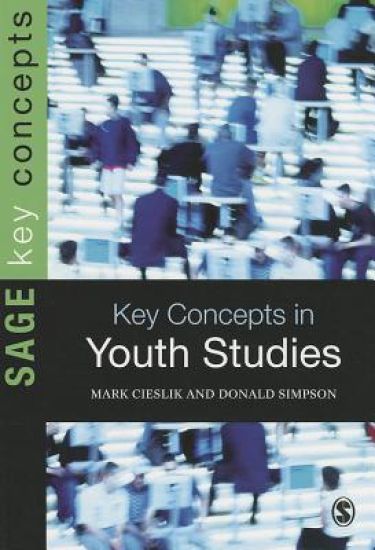
What is youth? How do we understand youth in its social and cultural context? Mark Cieslik and Donald Simpson here provide a concise and readily accessible introduction to the interdisciplinary field of youth studies. Drawing upon the latest research and developments in the field, as well as discussing the fundamental ideas underlying the discipline as a whole, it offers a comprehensive yet unpacked understanding of youth as a social phenomenon. Illuminating the many abstract and contested concepts within youth studies, the book offers explanations to questions such as: How might we define youth?How can we understand young people in relation to their social identities and practices?What is the relationship between youth and social class?How do youth cultures develop?How can we understand youth in a globalized perspective? Key Concepts in Youth Studies stands out as a natural companion for students on youth studies, sociology, criminology and social science programmes. It will also be useful for youth practitioners such as social workers and teachers.
Poor transitions

Poor transitions

Colin Webster; Donald Simpson; Robert MacDonald; Andrea Abbas; Mark Cieslik; Tracy Shildrick; Mark Simpson

Policy Press
2004
nidottu
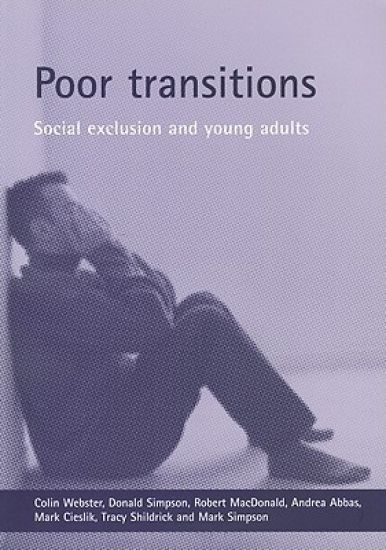
This report provides a detailed picture of the processes that shape 'poor transitions'. The authors argue that understanding social exclusion and devising effective policies to reduce it requires immersion in the experiences of the socially excluded. Specifically, the report charts the longer-term transitions and outcomes of young adults who had grown up in a context of social exclusion as they reached their mid- to late-twenties; aids understanding of the key influences on social inclusion and exclusion for this age group; examines the young adults' extended participation in education, training and employment, their experiences of family life, and criminal and drug-using careers and draws out the implications for policy and practice interventions. Poor transitions is aimed at academics, policy makers, practitioners and general readers interested in an in-depth account of the biographical experiences of the socially excluded.
Researching Youth

Researching Youth

Mark Cieslik

Palgrave Macmillan
2003
nidottu
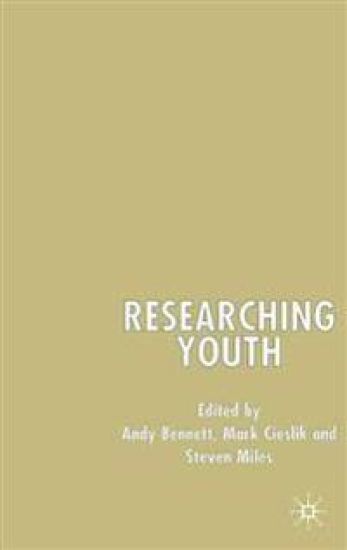
Written in a clear and accessible style, this book presents a broad ranging enquiry into various methodological issues associated with contemporary youth research. Chapters cover a variety of topical areas, including youth transitions, youth in care, drugs, consumption and music. Featuring studies by new and established youth researchers, this book will be an invaluable resource for undergraduate and postgraduate students, and also those carrying out more advanced research, in the fields of sociology, social policy, health studies, cultural and media studies.
Researching Youth

Researching Youth

Mark Cieslik

Palgrave Macmillan
2003
sidottu
Written in a clear and accessible style, this book presents a broad ranging enquiry into various methodological issues associated with contemporary youth research. Chapters cover a variety of topical areas, including youth transitions, youth in care, drugs, consumption and music. Featuring studies by new and established youth researchers, this book will be an invaluable resource for undergraduate and postgraduate students, and also those carrying out more advanced research, in the fields of sociology, social policy, health studies, cultural and media studies.