Kirjojen hintavertailu. Mukana 12 390 323 kirjaa ja 12 kauppaa.

Kirjailija

Mark D. Kielsgard

Kirjat ja teokset yhdessä paikassa: 2 kirjaa, julkaisuja vuosilta 2015-2017, suosituimpien joukossa Responding to Modern Genocide. Vertaile teosten hintoja ja tarkista saatavuus suomalaisista kirjakaupoista.

2 kirjaa

Kirjojen julkaisuhaarukka 2015-2017.

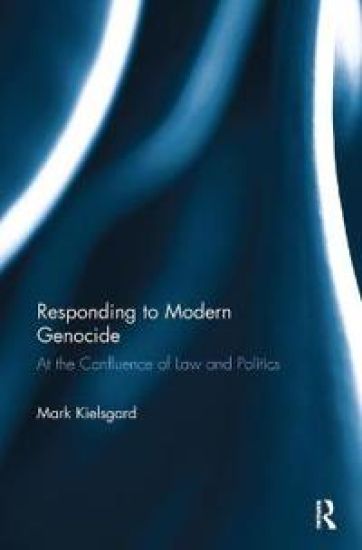
Responding to Modern Genocide

Responding to Modern Genocide

Mark D. Kielsgard

CRC Press Inc
2017
nidottu
Developments in the understanding and treatment of genocide through the twentieth century have involved a combination of politics, public opinion, social trends, and economic development, and led to the substantive law of genocide and the assumption of international jurisdiction. This book analyzes incidences of genocide and mass atrocities, focusing on the political factors involved in modern counter-genocide efforts. Drawing on incidences of genocide and mass atrocity such as the Holocaust, the Rwandan genocide, and the Armenian genocide, Mark Kielsgard adopts a conceptual model that reveals the political factors which impact the international law of genocide, such as barriers and catalysts to transitional justice and the politics of genocide denial. As a work which provides a focused picture of those influences and their significance to genocide studies, this book will be of great use and interest to students and researchers in international criminal law, conflict studies, and conflict resolution.
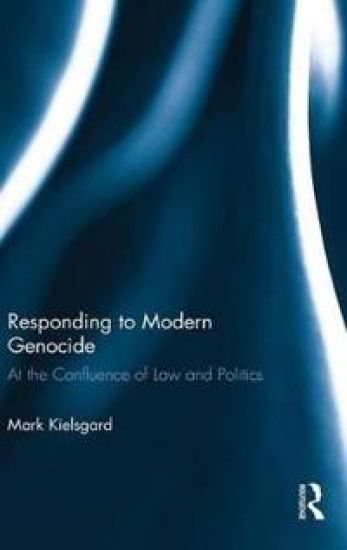
Responding to Modern Genocide

Responding to Modern Genocide

Mark D. Kielsgard

Routledge
2015
sidottu
Developments in the understanding and treatment of genocide through the twentieth century have involved a combination of politics, public opinion, social trends, and economic development, and led to the substantive law of genocide and the assumption of international jurisdiction. This book analyzes incidences of genocide and mass atrocities, focusing on the political factors involved in modern counter-genocide efforts. Drawing on incidences of genocide and mass atrocity such as the Holocaust, the Rwandan genocide, and the Armenian genocide, Mark Kielsgard adopts a conceptual model that reveals the political factors which impact the international law of genocide, such as barriers and catalysts to transitional justice and the politics of genocide denial. As a work which provides a focused picture of those influences and their significance to genocide studies, this book will be of great use and interest to students and researchers in international criminal law, conflict studies, and conflict resolution.