Kirjojen hintavertailu. Mukana 12 595 353 kirjaa ja 12 kauppaa.
Kirjailija
Mark Dyreson
Kirjat ja teokset yhdessä paikassa: 6 kirjaa, julkaisuja vuosilta 1997-2023, suosituimpien joukossa Black Mercuries. Vertaile teosten hintoja ja tarkista saatavuus suomalaisista kirjakaupoista.
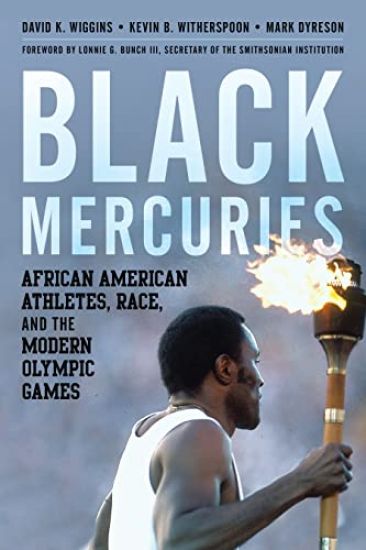
This book chronicles the struggles and triumphs of African American athletes in the Modern Olympic Games, from 1896 through the 2020 Tokyo Games. It explores the lives and careers of both legendary and little-known Black Olympians as they sought to honor themselves, their race, and their nation on the world stage.
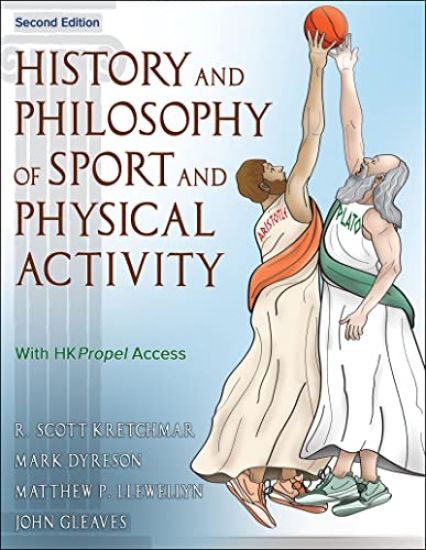
History and Philosophy of Sport and Physical Activity, Second Edition With HKPropel Access, seamlessly blends the historical and philosophical dimensions of the study of human movement. The text follows a chronology of human movement from our origins as hunter-gatherers to the present, offering philosophical and ethical analyses alongside explorations of cultural shifts that have emerged from different ethnic, racial, gender, and national traditions.The second edition of History and Philosophy of Sport and Physical Activity is ideal for instructors who teach history and philosophy in a single course. Each chapter provides a historical scaffolding that leads into philosophical discussions about the issues raised. The text eschews dense blocks of text in favor of accessible writing and an interactive student experience.Updates to the latest edition include expanded coverage of diversity, equity, and inclusion topics; a deeper exploration of epistemology; a discussion of alternate forms of physical activity; and new material about the ethics of research. Contemporary topics of discussion such as the Exercise Is Medicine (EIM) movement, athlete biodata collection, and transgender and nonbinary athletes in sport are thoroughly explored.Discussion questions and study questions at the end of each chapter challenge students to reflect on the course material and share their ideas. Historical profile sidebars throughout the chapters allow students to gain greater insight into historical figures and events. Throughout the text, students are prompted to access related online activities in HKPropel. These short exercises connect philosophical inquiry to historical events and modern-day issues and serve as important tools for improving students’ reasoning skills. Instructors are supported with a comprehensive instructor guide that includes sample responses to the downloadable student exercises, section references for the downloadable study questions, and sample discussion and assignment prompts related to the discussion questions. The instructor guide also includes ideas and instructions for semester-long student projects.History and Philosophy of Sport and Physical Activity, Second Edition, presents a thorough integration of philosophy and history, capitalizing on the strengths of both disciplines.Note: A code for accessing HKPropel is included with all new print books.
Blending historical grounding and philosophical insights regarding sport and physical activity, History and Philosophy of Sport and Physical Activity covers the historical and philosophical dimensions of the study of human movement. This cross-disciplinary text shows how theory in the humanities can affect professional practice. The author team, R. Scott Kretchmar, Mark Dyreson, Matthew P. Llewellyn, and John Gleaves, offers philosophical and ethical analyses alongside explorations of changes in culture. The text follows a chronology of human movement from our origins as hunter-gatherers to the present. The authors blend their specific areas of expertise to present a thorough integration of philosophy and history, capitalizing on the strengths of both disciplines. History and Philosophy of Sport and Physical Activity examines sport and physical activity as a social force. Each chapter provides a historical scaffolding that leads into philosophical discussions about the issues raised. The content is compelling, effective, and accessible for readers. Student exercise sidebars allow students to explore questions as they go, especially in relating philosophical inquiry to historical events. Historical profile sidebars throughout the chapters allow students to gain greater insight into historical figures and events. Ancillaries include an instructor guide, a presentation package, and a test package to help instructors make the most of the historical, philosophical, anthropological, and sociological issues presented in the book. History and Philosophy of Sport and Physical Activity is designed to reduce any gap that might exist between good ideas and sound professional behavior. Historical lessons and philosophical analyses are seamlessly integrated. Readers will understand the intersection of history, culture, ideals, ethics, and professional practice from sport’s leading philosophers and historians.
In 2008 China plans to use the Olympic Games to remake its national identity in the global marketplace. In so doing China treads the path blazed by the United States. For more than a century the U.S. has used the Olympic Games to construct national identity, create communal memory, and craft patriotic mythology. From opening parades where the American team refuses to dip its flag in order to signal American exceptionalism to the closing ceremonies where the U.S. media trumpet that their team owes its medals not to superior athleticism but to the nation’s peerless social and political systems, Olympic Games have served as sites to bolster American nationalism. More than any other nation, the United States has politicized its Olympic participation. In the process a host of myths about American superiority in global encounters has emerged through the Olympics. In memorializing and mythologizing their Olympic teams Americans have revealed the contours of the racial, gender, and class dynamics that animate their peculiar nationhood. These essays explore the history of expressions of American national identity in Olympic arenas.This book was published as a special issue of the International Journal of the History of Sport.
In 2008 China plans to use the Olympic Games to remake its national identity in the global marketplace. In so doing China treads the path blazed by the United States. For more than a century the U.S. has used the Olympic Games to construct national identity, create communal memory, and craft patriotic mythology. From opening parades where the American team refuses to dip its flag in order to signal American exceptionalism to the closing ceremonies where the U.S. media trumpet that their team owes its medals not to superior athleticism but to the nation’s peerless social and political systems, Olympic Games have served as sites to bolster American nationalism. More than any other nation, the United States has politicized its Olympic participation. In the process a host of myths about American superiority in global encounters has emerged through the Olympics. In memorializing and mythologizing their Olympic teams Americans have revealed the contours of the racial, gender, and class dynamics that animate their peculiar nationhood. These essays explore the history of expressions of American national identity in Olympic arenas.This book was published as a special issue of the International Journal of the History of Sport.
Sport dominates television and the mass media. Politics and business are a-bustle with sports metaphors. Endorsements by athletes sell us products. "Home run," "slam dunk," and the rest of the vocabulary of sport color daily conversation. Even in times of crisis and emergency, the media reports the scores and highlights. Marky Dyreson delves into how our obsession with sport came into being with a close look at coverage of the Olympic Games between 1896 and 1912. How people reported and consumed information on the Olympics offers insight into how sport entered the heart of American culture as part of an impetus for social reform. Political leaders came to believe in the power of sport to revitalize the "republican experiment." Sport could instill a new sense of national identity that would forge a new sense of community and a healthy political order while at the same time linking America's intellectual and power elite with the experiences of the masses.