Kirjojen hintavertailu. Mukana 12 595 353 kirjaa ja 12 kauppaa.

Kirjailija

Mark Golitko

Kirjat ja teokset yhdessä paikassa: 3 kirjaa, julkaisuja vuosilta 2015-2026, suosituimpien joukossa Modeling the Past. Vertaile teosten hintoja ja tarkista saatavuus suomalaisista kirjakaupoista.

3 kirjaa

Kirjojen julkaisuhaarukka 2015-2026.

Modeling the Past

Modeling the Past

John Terrell; Mark Golitko; Helen Dawson; Marc Kissel

BERGHAHN BOOKS
2026
nidottu
How do researchers use dynamic network analysis (DYRA) to explore, model, and try to understand the complex global history of our species? Reduced to bare bones, network analysis is a way of understanding the world around us — a way called relational thinking — that is liberating but challenging. Using this handbook, researchers learn to develop historical and archaeological research questions anchored in DYRA. Undergraduate and graduate students, as well as professional historians and archaeologists can consult on issues that range from hypothesis-driven research to critiquing dominant historical narratives, especially those that have tended to ignore the diversity of the archaeological record.
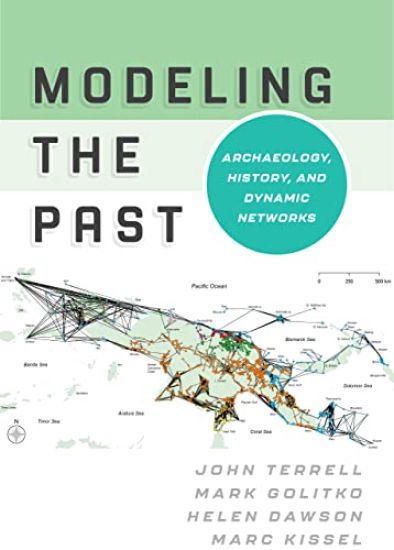
Modeling the Past

Modeling the Past

John Terrell; Mark Golitko; Helen Dawson; Marc Kissel

BERGHAHN BOOKS
2023
sidottu
How do researchers use dynamic network analysis (DYRA) to explore, model, and try to understand the complex global history of our species? Reduced to bare bones, network analysis is a way of understanding the world around us — a way called relational thinking — that is liberating but challenging. Using this handbook, researchers learn to develop historical and archaeological research questions anchored in DYRA. Undergraduate and graduate students, as well as professional historians and archaeologists can consult on issues that range from hypothesis-driven research to critiquing dominant historical narratives, especially those that have tended to ignore the diversity of the archaeological record.
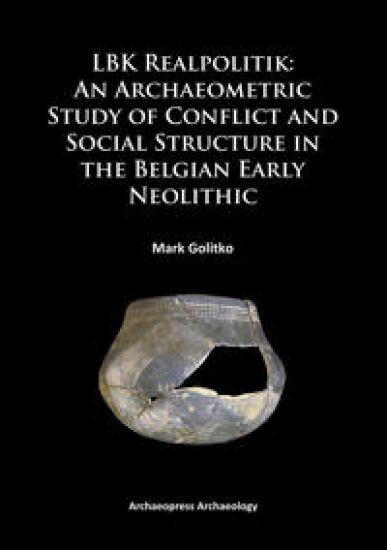
LBK Realpolitik: An Archaeometric Study of Conflict and Social Structure in the Belgian Early Neolithic
The causes and consequences of violence and warfare have long interested social scientists, historians, and philosophers. While economic motivations for conflict are among the most commonly discussed drivers of human violence, prehistorians have often downplayed economic factors when studying non-state society. This volume explores linkages between conflict and socioeconomic organization during the early Neolithic of eastern Belgium (c. 5200-5000 BC), using compositional analysis of ceramics from Linienbandkeramik villages to assess production organization and map intercommunity connections against the backdrop of increasing evidence for conflict.