Kirjojen hintavertailu. Mukana 12 595 353 kirjaa ja 12 kauppaa.
Kirjailija
Mark Lamster
Kirjat ja teokset yhdessä paikassa: 5 kirjaa, julkaisuja vuosilta 2007-2026, suosituimpien joukossa Welcome to Paradox City. Vertaile teosten hintoja ja tarkista saatavuus suomalaisista kirjakaupoista.
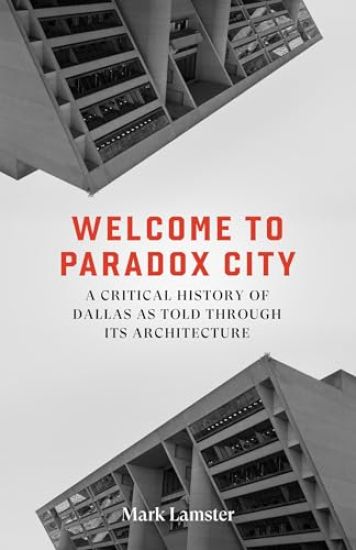
A first-of-its-kind history, Welcome to Paradox City offers a unique history of Dallas through its most significant buildings. Through an exceptional blend of architectural history, social history and critical writing, Dallas Morning News contributor Mark Lamster takes readers from the sun-scorched origins of Dallas as a remote outpost on the Texas frontier, and traces its development into the dynamic, if imperfect, metropolis we know today. Engaging and thoughtful, Welcome to Paradox City is an astonishing and illuminating look at the often-invisible ways that architecture is more than just a building, or a skyline. It is something that shapes a city and its culture from its founding, to the present, and onward into the future.
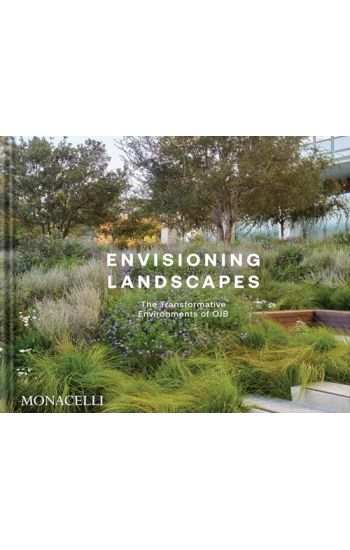
Visionary landscape architecture firm OJB reveals the guiding principles behind its award-winning work in this new, expanded edition of its debut monograph OJB Landscape Architecture challenges the conventional boundaries of its field, emphasizing placemaking as a mechanism for healing, community-building, and celebration. At its core, the award-winning firm believes that landscape is a social and collective tool for integration, reclamation, and healing. This principle guides all of the firm’s projects across sectors, from its designs deepening our relationship to nature, such as public parks, and sites promoting restorative healthcare, such as campuses for hospitals and wellness centers, to large-scale urban landscapes conceived to reconnect and revitalize communities, such as the acclaimed RiverFront in Omaha and the other multi-project narratives in which landscapes connect and build on each other over several years to create thoughtfully realized and impactful environments. In this new, expanded edition of OJB’s debut monograph, the pioneering firm shares its remarkable and meaningful work- and the philosophy that drives it - through fifteen projects of varied typologies across the United States. Beautifully illustrated with more than 200 color photographs, Envisioning Landscapes also includes a new foreword by The Dallas Morning News architecture critic Mark Lamster.
FGP Atelier is a global practice led by Mexican architect Francisco Gonzalez Pulido whose mission is to contribute to social and economic advancement through the alignment of the core principles of Design, Science and Technology. The work of The Atelier is guided by Transparency, Openness and Freedom. These values are reflected in the approach to process and collaborations, as well as in the buildings and spaces that result. Logic, Intuition, Multidisciplinary Collaboration, Scientific Research and Work Experience drive the design of Spaces that are Active as well as Infrastructure and Urban Networks that respond to Atmosphere, Ecology, Comfort, Economy, Culture and the Technological Context. In working towards the dissolution of archetypical interventions, the Experience of these spaces and buildings is valued over Typology in order to ground the ultimate value in human existence. Progression presents a series of projects and related essays that illustrate the principles that guide the work of FGP Atelier. Through examining these principles, the themes, ideas, and goals that are common to the projects emerge and provide a means of understanding how a diverse set of buildings relate as well as what might come next. The book is divided into three sections: Values, Network, and Ambition. “Values” is comprised of three chapters that discuss sustainability, the practice, and ethics. “Network” is comprised of four chapters that discuss how technical design is influenced by context, the alternative futures that planning can offer, the role that infrastructure plays in creating equitable cities, and challenges facing housing in the future. The final section, “Ambition” suggests ways that the discipline of architecture can evolve. Ultimately, the goal of this book is to be provocative on multiple levels. It should inspire the reader through the completed buildings executed in often challenging conditions. At the same time, it should be a catalyst for discourse and debate regarding what should be built and how a philosophy guides a practice, the design of future buildings, and the conservation of existing buildings.
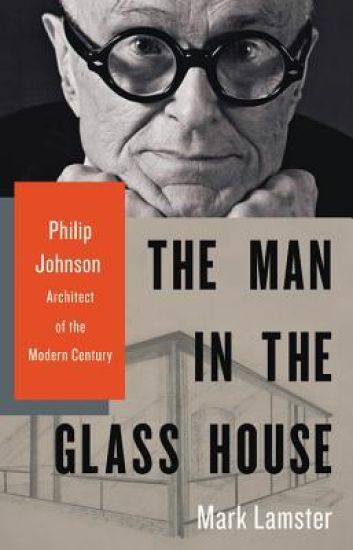
When Philip Johnson died in 2005 at the age of 98, he was still one of the most recognizable--and influential--figures on the American cultural landscape. The first recipient of the Pritzker Prize and MoMA's founding architectural curator, Johnson made his mark as one of America's leading architects with his famous Glass House in New Caanan, CT, and his controversial AT&T Building in NYC, among many others in nearly every city in the country--but his most natural role was as a consummate power broker and shaper of public opinion.Johnson introduced European modernism--the sleek, glass-and-steel architecture that now dominates our cities--to America, and mentored generations of architects, designers, and artists to follow. He defined the era of "starchitecture" with its flamboyant buildings and celebrity designers who esteemed aesthetics and style above all other concerns. But Johnson was also a man of deep paradoxes: he was a Nazi sympathizer, a designer of synagogues, an enfant terrible into his old age, a populist, and a snob. His clients ranged from the Rockefellers to televangelists to Donald Trump.Award-winning architectural critic and biographer Mark Lamster's THE MAN IN THE GLASS HOUSE lifts the veil on Johnson's controversial and endlessly contradictory life to tell the story of a charming yet deeply flawed man. A rollercoaster tale of the perils of wealth, privilege, and ambition, this book probes the dynamics of American culture that made him so powerful, and tells the story of the built environment in modern America.
In October of 1888, Albert Goodwill Spalding,baseball star, sporting-goods magnate, promotional genius, serial fabulist,departed Chicago on a trip that would take him and two baseball teams on a journey clear around the globe. Their mission, closely followed in the American and international press, had two (secret) goals: to fix the game in the American consciousness as the purest expression of the national spirit, and to seed markets for Spalding's products near and far. In the process, these first cultural ambassadors played before kings and queens, visited the Coliseumand the Eiffel Tower, and took pot shots with their baseballs at the great Sphinx in Egypt. This expedition to lands both exotic and familiar is chronicled with dash and wit in Mark Lamster's Spalding's World Tour , a book filled with larger-than-life characters often competing harder for love and money off the baseball diamond than for runs on it. Getting themselves into scrapes and narrowly escaping international incident all around the globe, these innocents abroad gave the world an early peek at the American century just around the corner. For anyone interested in the history of the game,or the history of brand marketing, Spalding's World Tour hits the sweet spot.