Kirjojen hintavertailu. Mukana 12 390 323 kirjaa ja 12 kauppaa.

Kirjailija

Mark S. Gignilliat

Kirjat ja teokset yhdessä paikassa: 9 kirjaa, julkaisuja vuosilta 2007-2025, suosituimpien joukossa Micah (ITC). Vertaile teosten hintoja ja tarkista saatavuus suomalaisista kirjakaupoista.

9 kirjaa

Kirjojen julkaisuhaarukka 2007-2025.

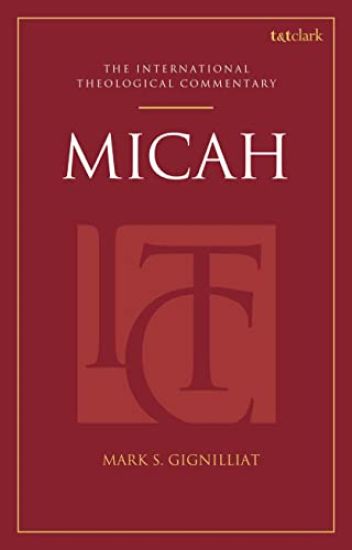
Micah (ITC)

Micah (ITC)

Mark S. Gignilliat

BLOOMSBURY PUBLISHING PLC
2025
nidottu
In this International Theological Commentary on the book of Micah, Mark S. Gignilliat begins by reflecting upon the nature of such commentary in relation to biblical interpretation, before situating Micah within current critical engagement with the book of the Twelve and focusing specifically on Micah’s relation with Jonah and Nahum. The main body of the commentary is devoted to the interpretation and exegesis of Micah, engaging widely with theologians and biblical scholars. Gignilliat addresses literary issues involving the structure, grammar, and textual variants of given passages and - in keeping with the goals of the International Theological Commentary - provides analysis of Scripture’s literal sense in relation to its theological subject matter. This volume offers scholars, clergy and lay readers alike a unique combination of critical exegesis and rigorous theological interpretation.
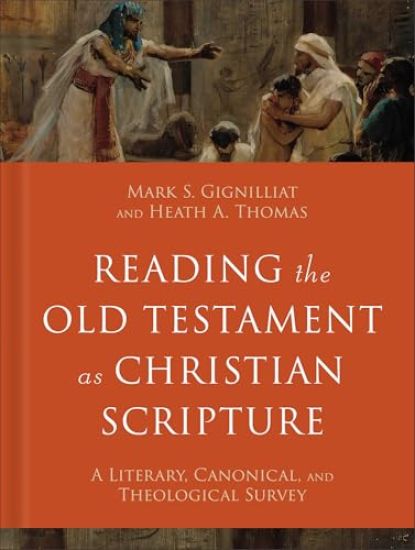
Reading the Old Testament as Christian Scripture

Reading the Old Testament as Christian Scripture

Mark S. Gignilliat; Heath A. Thomas

BAKER PUBLISHING GROUP
2025
sidottu
This survey textbook by two respected Old Testament scholars is designed to meet the needs of contemporary undergraduate students. The book effectively covers the Old Testament books and major topics in the Old Testament, assuming no prior academic study of the Bible.Mark Gignilliat and Heath Thomas pay attention to the subject matter of the Old Testament: God's revelation of himself. Their focus is on the triune God and God's engagement with the world. The authors attend to the Old Testament's literary, theological, and historical dimensions and explore how these texts are received and interpreted in Christian (and Jewish) tradition. The book is organized according to the Hebrew structure of the Old Testament: Law, Prophets, and Writings. The authors utilize this structure to generate numerous interpretive and theological insights as well as fresh avenues of discovery for Christian readers who may lack familiarity with the Hebrew ordering of the Old Testament documents. Chapters can be assigned in any order, making this an ideal textbook for one-semester courses.Beautifully designed in full color, this addition to the Reading Christian Scripture series offers a full array of pedagogical aids that hold interest and aid learning: photographs, sidebars, maps, time lines, charts, glossary, and discussion questions. Additional resources for instructors and students are available through Textbook eSources.
The Prophets and the Apostolic Witness – Reading Isaiah, Jeremiah, and Ezekiel as Christian Scripture

The Prophets and the Apostolic Witness – Reading Isaiah, Jeremiah, and Ezekiel as Christian Scripture

Andrew T. Abernethy; William R. Osborne; Paul D. Wegner; Nicholas G. Piotrowski; Mark S. Gignilliat

IVP Academic
2023
nidottu
How should Christians read prophetic literature? Questions abound both in the academy and the church as to how to engage the prophets, particularly in light of the New Testament. The Gospel writers and the church fathers all read and appealed to the Old Testament, but are we as modern-day readers supposed to take the same approach? The Prophets and the Apostolic Witness is a dialogue among scholars that identifies the interpretive methods used throughout history while also charting a constructive way forward for our own approach to reading the Major Prophets. This comprehensive volume brings together experts on Isaiah, Jeremiah, and Ezekiel to illuminate the following topics: How the Apostles Read the Major Prophets as Christian ScriptureLimits on Reading the Major Prophets as Christian ScriptureReading the Major Prophets in the Footsteps of the ApostlesThe History of Interpretation of the Major Prophets as Christian ScripturePreaching the Major Prophets as Christian Scripture This collaborative endeavor offers fresh and helpful insights to scholars, students, and pastors alike as they engage with the text of the Major Prophets.
Micah (ITC)

Micah (ITC)

Mark S. Gignilliat

Continuum International Publishing Group Ltd.
2019
sidottu
In this International Theological Commentary on the book of Micah, Mark S. Gignilliat begins by reflecting upon the nature of such commentary in relation to biblical interpretation, before situating Micah within current critical engagement with the book of the Twelve and focusing specifically on Micah’s relation with Jonah and Nahum. The main body of the commentary is devoted to the interpretation and exegesis of Micah, engaging widely with theologians and biblical scholars. Gignilliat addresses literary issues involving the structure, grammar, and textual variants of given passages and - in keeping with the goals of the International Theological Commentary - provides analysis of Scripture’s literal sense in relation to its theological subject matter. This volume offers scholars, clergy and lay readers alike a unique combination of critical exegesis and rigorous theological interpretation.
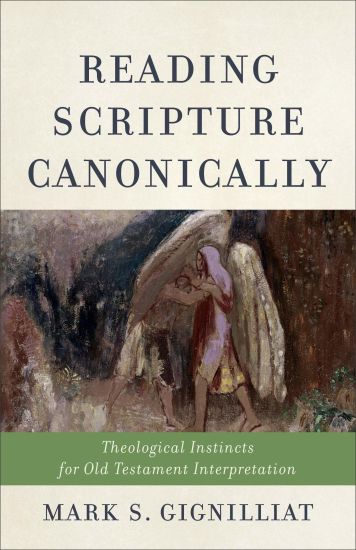
Reading Scripture Canonically

Reading Scripture Canonically

Mark S. Gignilliat

Baker Academic, Div of Baker Publishing Group
2019
nidottu
Veteran Old Testament teacher Mark Gignilliat explores the theological and hermeneutical instincts that are necessary for reading, understanding, and communicating Scripture faithfully. He takes seriously the gains of historical criticism while insisting that the Bible must be interpreted as Christian Scripture, offering students a "third way" that assigns proper proportion to both historical and theological concerns. Reading and engaging Scripture requires not only historical tools, Gignilliat says, but also recognition of the living God's promised presence through the Bible.
Karl Barth and the Fifth Gospel

Karl Barth and the Fifth Gospel

Mark S. Gignilliat

Routledge
2016
nidottu
Today’s biblical scholars and dogmaticians are giving a significant amount of attention to the topic of theological exegesis. A resource turned to for guidance and insight in this discussion is the history of interpretation, and Karl Barth’s voice registers loudly as a helpful model for engaging Scripture and its subject matter. Most readers of Barth’s theological exegesis encounter him on the level of his New Testament exegesis. This is understandable from several different vantage points. Unfortunately, Barth’s theological exegesis of the Old Testament has not received the attention it deserves. This book seeks to fill this lacuna as it encounters Barth’s theological exegesis of Isaiah in the Church Dogmatics. From the Church’s inception, Isaiah has been understood as Christian Scripture. In the Church Dogmatics we find Barth reading Isaiah in multi-functional and multi-layered ways as he seeks to hear Isaiah as a living witness to God’s triune revelation of himself in Jesus Christ.
A Brief History of Old Testament Criticism
Mark Gignilliat discusses critical theologians and their theories of Old Testament interpretation in this concise overview, providing a working knowledge of the historical foundation of contemporary discussions on Old Testament interpretation.Old Testament interpretation developed as theologians and scholars proposed critical theories over time. These figures contributed to a large, developing complex of ideas and trends that serves as the foundation of contemporary discussions on interpretation. Mark Gignilliat brings these figures and their theories together in A Brief History of Old Testament Criticism. His discussion is driven by influential thinkers such as Baruch Spinoza and the critical tradition, Johann Semler and historical criticism, Hermann Gunkel and romanticism, Gerhard von Rad and the tradition-historical approach, Brevard Childs and the canonical approach, and more.This concise overview is ideal for classroom use as it provides a working knowledge of the major critical interpreters of the Old Testament, their approach to the subject matter, and the philosophical background of their approaches. Further reading lists direct readers to additional resources on specific theologians and theories. This book will serve as a companion to the forthcoming textbook Believing Criticism by Richard Schultz.
Karl Barth and the Fifth Gospel

Karl Barth and the Fifth Gospel

Mark S. Gignilliat

Ashgate Publishing Limited
2009
sidottu
Today’s biblical scholars and dogmaticians are giving a significant amount of attention to the topic of theological exegesis. A resource turned to for guidance and insight in this discussion is the history of interpretation, and Karl Barth’s voice registers loudly as a helpful model for engaging Scripture and its subject matter. Most readers of Barth’s theological exegesis encounter him on the level of his New Testament exegesis. This is understandable from several different vantage points. Unfortunately, Barth’s theological exegesis of the Old Testament has not received the attention it deserves. This book seeks to fill this lacuna as it encounters Barth’s theological exegesis of Isaiah in the Church Dogmatics. From the Church’s inception, Isaiah has been understood as Christian Scripture. In the Church Dogmatics we find Barth reading Isaiah in multi-functional and multi-layered ways as he seeks to hear Isaiah as a living witness to God’s triune revelation of himself in Jesus Christ.
Paul and Isaiah's Servants

Paul and Isaiah's Servants

Mark S. Gignilliat

T. T.Clark Ltd
2007
sidottu
Paul's reading of the Old Testament continues to witness to the significance of reading the Old Testament in a Christian way. This study argues that a theological approach to understanding Paul's appeal to and reading of the Old Testament, especially Isaiah, offers important insights into the ways in which Christians should read the Old Testament and a two-testament canon today. By way of example, this study explores the ways in which Isaiah 40-66's canonical form presents the gospel in miniature with its movement from Israel to Servant to servants. It is subsequently argued that Paul follows this literary movement in his own theological reflection in 2 Corinthians 5:14-6:10. Jesus takes on the unique role and identity of the Servant of Isaiah 40-55, and Paul takes on the role of the servants of the Servant in Isaiah 53-66. From this exegetical exploration conclusions are drawn in the final chapter that seek to apply a term from the history of interpretation to Paul's reading, that is, the plain sense of Scripture. What does an appeal to plain sense broker? And does Paul's reading of the Old Testament look anything like a plain sense reading? Gignilliat concludes that Paul is reading the Old Testament in such a way that the literal sense and its figural potential and capacity are not divorced but are actually organically linked in what can be termed a plain sense reading.