
Kirjailija
Mark Sealy
Kirjat ja teokset yhdessä paikassa: 6 kirjaa, julkaisuja vuosilta 2019-2026, suosituimpien joukossa Global Visions. Vertaile teosten hintoja ja tarkista saatavuus suomalaisista kirjakaupoista.
6 kirjaa
Kirjojen julkaisuhaarukka 2019-2026.
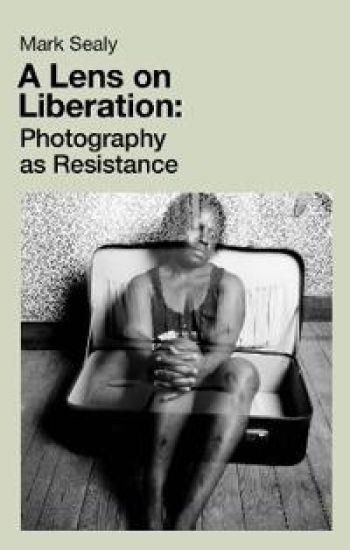
In this new collection, Sealy argues that Western photography and its institutions are at a critical juncture, having been forced to reckon with the medium’s colonial history by Black and global majority photographers, artists and cultural theorists who interrogate archives from the perspective of the Other. Sealy engages the work of underrepresented Black photographers and visual artists who, since the period of decolonisation, have challenged the Othering nature of the colonial camera, from Ernest Cole documenting Apartheid and US anti-blackness to Armet Francis capturing the spirit of Caribbean style in postwar Britain. As a curator, Sealy pays special attention to the role of key photography festivals and exhibitions in providing a space for the work of African and diasporic artists and photographers who were and are challenging the colonial nature of photography’s origins to come to the fore. Sealy also explores the radical potential of photography once reclaimed and transformed by Black photographers and artists. From the queer interpretations of Yoruba culture by Rotimi Fani-Kayode to the haunting absence/presence in the self-portraits of Hélène Amouzou, Sealy traces how the camera turned inwards has transformed photography into a medium for exploring Black subjectivity, and in turn a practice of resistance. The book includes a 16-page portfolio of images at its centre, featuring artists Zora J Murff, Sandra Brewster and others.
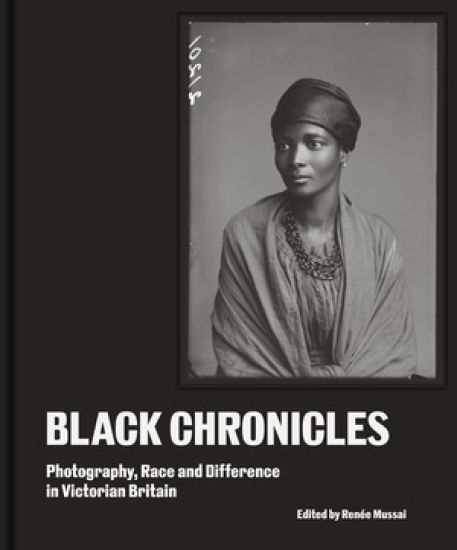
A collection of extraordinary 19th-century portraits that radically shifts our understanding of the presence and identities of the Black subject in Victorian Britain. These striking studio portraits, curated and brought together following ten years of research championed by Autograph, constitute the most comprehensive collection of 19th-century photography depicting the Black subject in the Victorian era, including some of the earliest known images of Black people photographed in Britain. The historically marginalized lives of both ordinary and prominent Black figures of African, Afro-Caribbean, South Asian and mixed heritage are seen through a prism of curatorial advocacy and experimental scholarly assemblage. Black Chronicles features high quality reproductions of plate negatives, cartes de visite and cabinet cards, many of which were buried deep in various private and public archives including the Hulton Archive’s remarkable London Stereoscopic Company collection, unseen for decades. These photographs are linked with imperial and colonial narratives through newly commissioned essays and rare lecture transcripts, in-conversation and text interventions by Caroline Bressey, Henry Louis Gates Jr, Paul Gilroy, Stuart Hall, M. Neelika Jayawardane, Lola Jaye, Renée Mussai and Val Wilmer, and an afterword by Mark Sealy. Built upon groundbreaking, in-depth new research, Black Chronicles opens up photographic archives to expand and enrich photography’s complex cultural histories and subjectivities, offering an essential insight into the visual politics of race, representation and difference in the Victorian era by addressing this crucial missing chapter. Introduction and texts by Renée Musai, Foreword by Henry Louis Gates Jr., Text by Paul Gilroy, Text by Stuart Hall, Text by Caroline Bressey, Text by Lola Jaye, Text by M. Neelika Jayawardane, Afterword by Mark Sealy, Text by Val Wilmer Published by Thames & Hudson in partnership with Autograph.

Stills from Life opens with Syd Shelton’s dream of hope that the struggle and the fight for racial and class justice will prevail and it is the driving force dominating the last fifty years of his subjective photographic practice. From that time, he has never been anywhere without his camera bag in pursuit of what he calls the graphic argument.
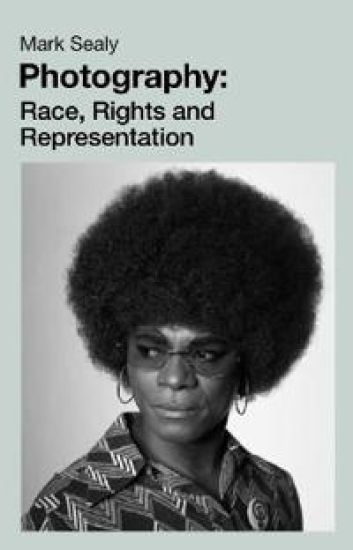
In Photography: Race, RightsRepresentation Mark Sealy discusses the critical work photographic images do in culture. Through photography, the book engages with notions of history, alienation, migration, civil and human rights, community and representational politics.
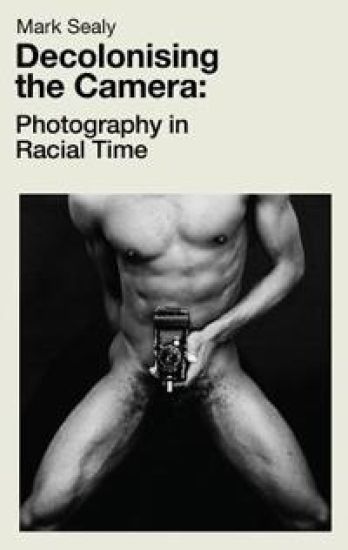
This book examines how Western photographic practice has been used as a tool for creating Eurocentric and violent visual regimes, and demands that we recognise and disrupt the ingrained racist ideologies that have tainted photography since its inception in 1839. Decolonising the Camera trains Mark Sealy’s sharp critical eye on the racial politics at work within photography, in the context of heated discussions around race and representation, the legacies of colonialism, and the importance of decolonising the university. Sealy analyses a series of images within and against the violent political reality of Western imperialism, and aims to extract new meanings and develop new ways of seeing that bring the Other into focus. The book demonstrates that if we do not recognise the historical and political conjunctures of racial politics at work within photography, and their effects on those that have been culturally erased, made invisible or less than human by such images, then we remain hemmed within established orthodoxies of colonial thought concerning the racialised body, the subaltern and the politics of human recognition. With detailed analyses of photographs – included in an insert – by Alice Seeley Harris, Joy Gregory, Rotimi Fani-Kayode and others, and spanning more than 100 years of photographic history, Decolonising the Camera contains vital visual and written material for readers interested in photography, race, human rights and the effects of colonial violence.