Kirjojen hintavertailu. Mukana 12 344 052 kirjaa ja 12 kauppaa.

Kirjailija

Mark Silcox

Kirjat ja teokset yhdessä paikassa: 5 kirjaa, julkaisuja vuosilta 2008-2021, suosituimpien joukossa A Defense of Simulated Experience. Vertaile teosten hintoja ja tarkista saatavuus suomalaisista kirjakaupoista.

5 kirjaa

Kirjojen julkaisuhaarukka 2008-2021.

A Defense of Simulated Experience

A Defense of Simulated Experience

Mark Silcox

Taylor Francis Ltd
2021
nidottu
This book defends an account of the positive psychological, ethical, and political value of simulated human experience. Philosophers from Plato and Augustine to Heidegger, Nozick, and Baudrillard have warned us of the dangers of living on too heavy a diet of illusion and make-believe. But contemporary cultural life provides broader, more attractive opportunities to do so than have existed at any other point in history. The gentle forms of self-deceit that such experiences require of us, and that so many have regarded as ethically unwholesome or psychologically self-destructive, can in fact serve as vital means to political reconciliation, cultural enrichment, and even (a kind of) utopia.The first half of the book provides a highly schematic definition of simulated experience and compares it with some claims about the nature of simulation made by other philosophers about what it is for one thing to be a simulation of another. The author then provides a critical survey of the views of some major authors about the value of certain specific types of simulated experience, mainly in order to point out the many puzzling inconsistencies and ambiguities that their thoughts upon the topic often exhibit. In the second half of the book, the author defends an account of the positive social value of simulated experience and compares his own position to the ideas of a number of utopian political thinkers, as well as to Plato's famous doctrine of the "noble lie." He then makes some tentative practical suggestions about how a proper appreciation of the value of simulated experience might influence public policy decisions about such matters as the justification of taxation, paternalistic "choice management," and governmental transparency.A Defense of Simulated Experience will appeal to a broad range of philosophers working in normative ethics, aesthetics, the philosophy of technology, political philosophy, and the philosophy of culture who are interested in questions about simulated experience. The book also makes a contribution to the emerging field of Game Studies.
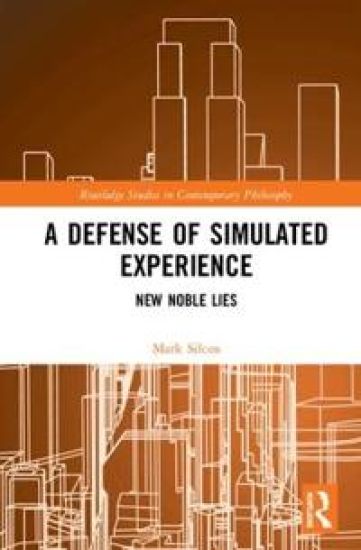
A Defense of Simulated Experience
This book defends an account of the positive psychological, ethical, and political value of simulated human experience. Philosophers from Plato and Augustine to Heidegger, Nozick, and Baudrillard have warned us of the dangers of living on too heavy a diet of illusion and make-believe. But contemporary cultural life provides broader, more attractive opportunities to do so than have existed at any other point in history. The gentle forms of self-deceit that such experiences require of us, and that so many have regarded as ethically unwholesome or psychologically self-destructive, can in fact serve as vital means to political reconciliation, cultural enrichment, and even (a kind of) utopia.The first half of the book provides a highly schematic definition of simulated experience and compares it with some claims about the nature of simulation made by other philosophers about what it is for one thing to be a simulation of another. The author then provides a critical survey of the views of some major authors about the value of certain specific types of simulated experience, mainly in order to point out the many puzzling inconsistencies and ambiguities that their thoughts upon the topic often exhibit. In the second half of the book, the author defends an account of the positive social value of simulated experience and compares his own position to the ideas of a number of utopian political thinkers, as well as to Plato's famous doctrine of the "noble lie." He then makes some tentative practical suggestions about how a proper appreciation of the value of simulated experience might influence public policy decisions about such matters as the justification of taxation, paternalistic "choice management," and governmental transparency.A Defense of Simulated Experience will appeal to a broad range of philosophers working in normative ethics, aesthetics, the philosophy of technology, political philosophy, and the philosophy of culture who are interested in questions about simulated experience. The book also makes a contribution to the emerging field of Game Studies.
Leading Edge, Issue 72

Leading Edge, Issue 72

Brandon McFall; Patrick Genellie; Mark Silcox

Createspace Independent Publishing Platform
2018
nidottu
Arnold has a plan to escape the ever-watching government, until it backfires. The town of Huckleton has a tree that children say grants wishes-just be prepared for the consequences. Tetsuya's daughter has been kidnapped by bandits, and his only hope is his ghostly samurai ancestor. Liza88 and her team have found refuge in the online world of Cataclysm, until a new patch threatens their paradise. Also in this issue: an interview with Caitlin Sangster, author of the Last Star Burning Trilogy, as well as science fiction and fantasy poetry and the winning entries from our flash fiction and nonfiction contests.
Philosophy Through Video Games

Philosophy Through Video Games

Jon Cogburn; Mark Silcox

Routledge
2008
nidottu
How can Wii Sports teach us about metaphysics?Can playing World of Warcraft lead to greater self-consciousness?How can we learn about aesthetics, ethics and divine attributes fromZork, Grand Theft Auto, and Civilization?A variety of increasingly sophisticated video games are rapidly overtaking books, films, and television as America's most popular form of media entertainment. It is estimated that by 2011 over 30 percent of US households will own a Wii console - about the same percentage that owned a television in 1953.In Philosophy Through Video Games, Jon Cogburn and Mark Silcox - philosophers with game industry experience - investigate the aesthetic appeal of video games, their effect on our morals, the insights they give us into our understanding of perceptual knowledge, personal identity, artificial intelligence, and the very meaning of life itself, arguing that video games are popular precisely because they engage with longstanding philosophical problems.Topics covered include:* The Problem of the External World* Dualism and Personal Identity* Artificial and Human Intelligence in the Philosophy of Mind* The Idea of Interactive Art* The Moral Effects of Video Games* Games and God's GoodnessGames discussed include:Madden Football, Wii Sports, Guitar Hero, World of Warcraft, Sims Online, Second Life, Baldur's Gate, Knights of the Old Republic, Elder Scrolls, Zork, EverQuest Doom, Halo 2, Grand Theft Auto, Civilization, Mortal Kombat, Rome: Total War, Black and White, Aidyn Chronicles
Philosophy Through Video Games

Philosophy Through Video Games

Jon Cogburn; Mark Silcox

Routledge
2008
sidottu
How can Wii Sports teach us about metaphysics?Can playing World of Warcraft lead to greater self-consciousness?How can we learn about aesthetics, ethics and divine attributes fromZork, Grand Theft Auto, and Civilization?A variety of increasingly sophisticated video games are rapidly overtaking books, films, and television as America's most popular form of media entertainment. It is estimated that by 2011 over 30 percent of US households will own a Wii console - about the same percentage that owned a television in 1953.In Philosophy Through Video Games, Jon Cogburn and Mark Silcox - philosophers with game industry experience - investigate the aesthetic appeal of video games, their effect on our morals, the insights they give us into our understanding of perceptual knowledge, personal identity, artificial intelligence, and the very meaning of life itself, arguing that video games are popular precisely because they engage with longstanding philosophical problems.Topics covered include:* The Problem of the External World* Dualism and Personal Identity* Artificial and Human Intelligence in the Philosophy of Mind* The Idea of Interactive Art* The Moral Effects of Video Games* Games and God's GoodnessGames discussed include:Madden Football, Wii Sports, Guitar Hero, World of Warcraft, Sims Online, Second Life, Baldur's Gate, Knights of the Old Republic, Elder Scrolls, Zork, EverQuest Doom, Halo 2, Grand Theft Auto, Civilization, Mortal Kombat, Rome: Total War, Black and White, Aidyn Chronicles